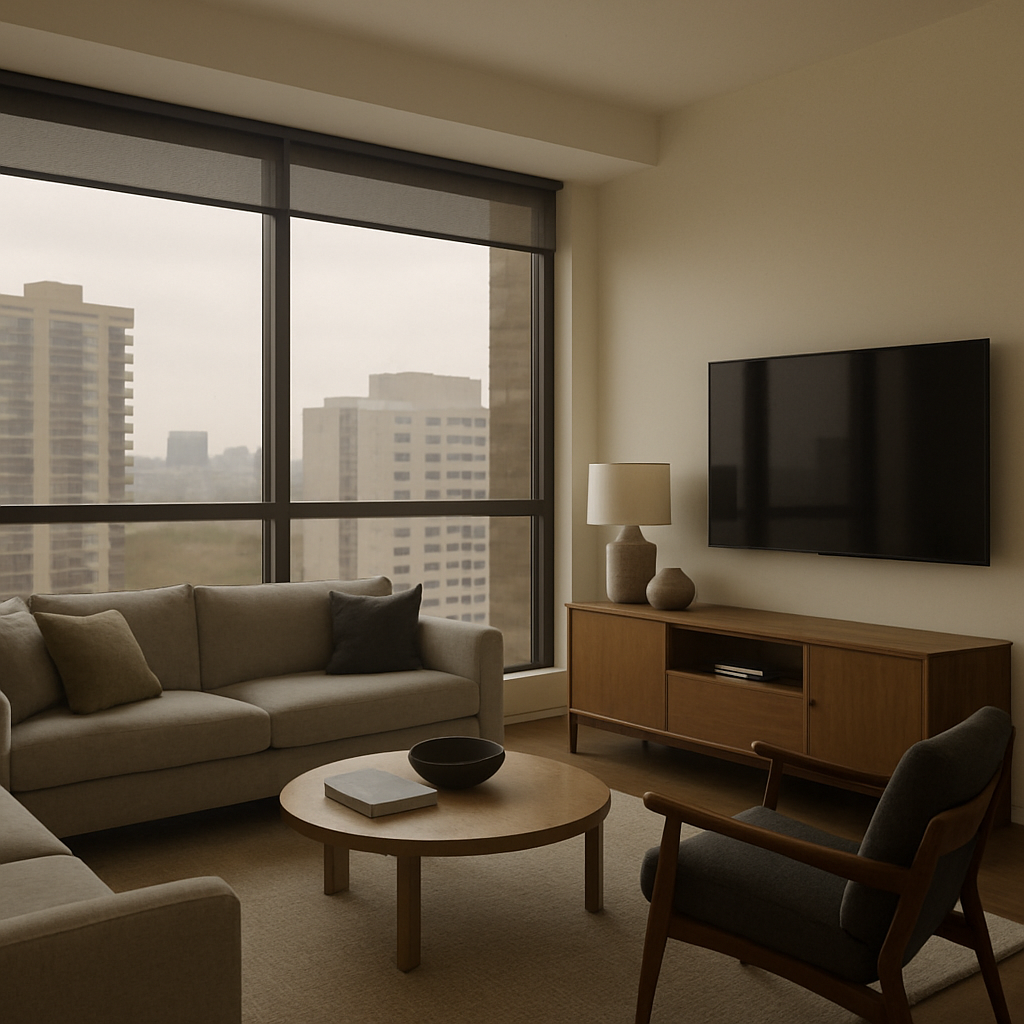
Reflective window film is an innovative solution for homeowners and interior designers looking to enhance privacy, improve energy efficiency, and add a decorative touch to their spaces. Understanding how to properly use reflective window film can transform any room, offering a stylish yet functional upgrade. This guide will walk you through the essential steps for using reflective window film effectively, ensuring you maximize its benefits and achieve the best results for your projects.
Understanding Reflective Window Film
Reflective window film is a type of window treatment that has a metallic finish, which reflects light and reduces glare. It offers several key benefits:
Privacy: Reflective window film enhances privacy by making it difficult for people outside to see inside during the day, while still allowing you to enjoy natural light.
Energy Efficiency: By reflecting sunlight, this film reduces heat gain, helping to maintain a comfortable indoor temperature and potentially lowering energy bills. According to the U.S. Department of Energy, window films and other window attachments can significantly improve overall energy performance.
Aesthetic Appeal: Available in various colors and designs, reflective window film can serve as a decorative element, enhancing the visual appeal of your interiors.
Preparing for Installation
Gather the Necessary Materials
Before you start the installation, ensure you have all the necessary materials on hand. This includes:
Reflective window film
Spray bottle filled with a soapy water solution
Squeegee or a similar tool for smoothing out the film
Utility knife for trimming excess film
Tape measure
Lint-free cloth
Measure Your Windows
Accurate measurements are critical to ensure the film fits perfectly. Measure the width and height of each window where you plan to apply the film. It’s advisable to add an extra inch to each measurement to allow for adjustments during installation.
Clean the Windows
Thoroughly clean your windows before application. Use a glass cleaner or the soapy water solution to remove dirt, dust, and any residues. A clean surface is essential for the film to adhere properly and to avoid bubbles or wrinkles.
Installing the Reflective Window Film
Cut the Film to Size
Using the measurements you took earlier, cut the reflective window film to size. Be sure to leave a little extra on each side to facilitate adjustments. A sharp utility knife will help you achieve precise cuts.
Wet the Window Surface
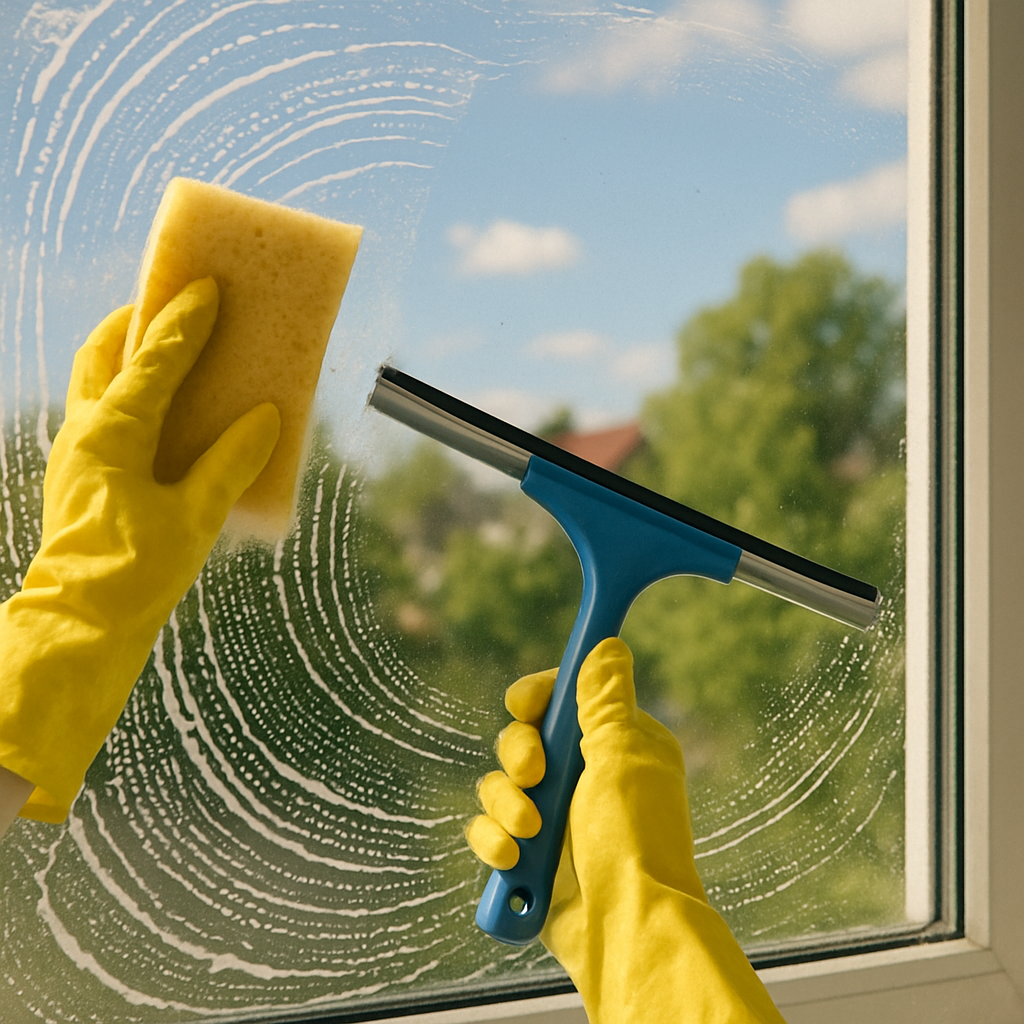
Spray the soapy water solution generously onto the window surface. The wet surface allows you to reposition the film as needed during application.
Apply the Film
Peel Off the Backing: Carefully peel the backing from the reflective window film, exposing the adhesive side. This is best done with two people to prevent the film from sticking to itself.
Position the Film: Align the top edge of the film with the top of the window. Allow the excess film to hang over the sides and bottom.
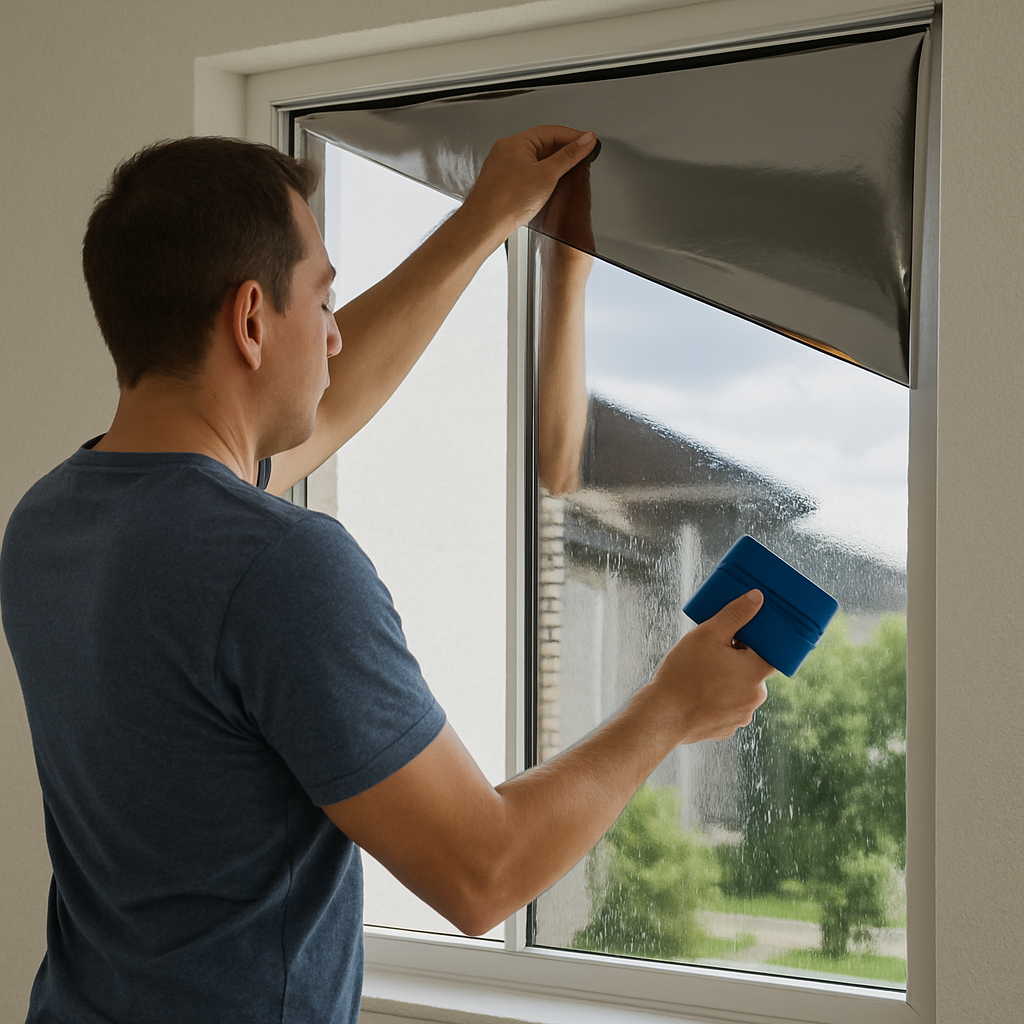
Smooth the Film: Starting from the center, use a squeegee to press the film onto the window. Work your way outward to remove air bubbles and excess water.
Once the film is smoothly applied, use the utility knife to trim any excess material along the edges. Be cautious to avoid cutting into the window frame or scratching the glass.
Post-Installation Care
Allow Time to Cure
After installation, give the film time to cure. It usually takes about a week for the adhesive to fully bond to the window. During this time, avoid cleaning the film or getting it wet.
Regular Maintenance
To maintain the appearance and longevity of your reflective window film, clean it regularly with a soft, damp cloth. Avoid using abrasive materials or harsh chemicals that could damage the film.
Advanced Tips for Optimal Results
Choose the Right Type of Film
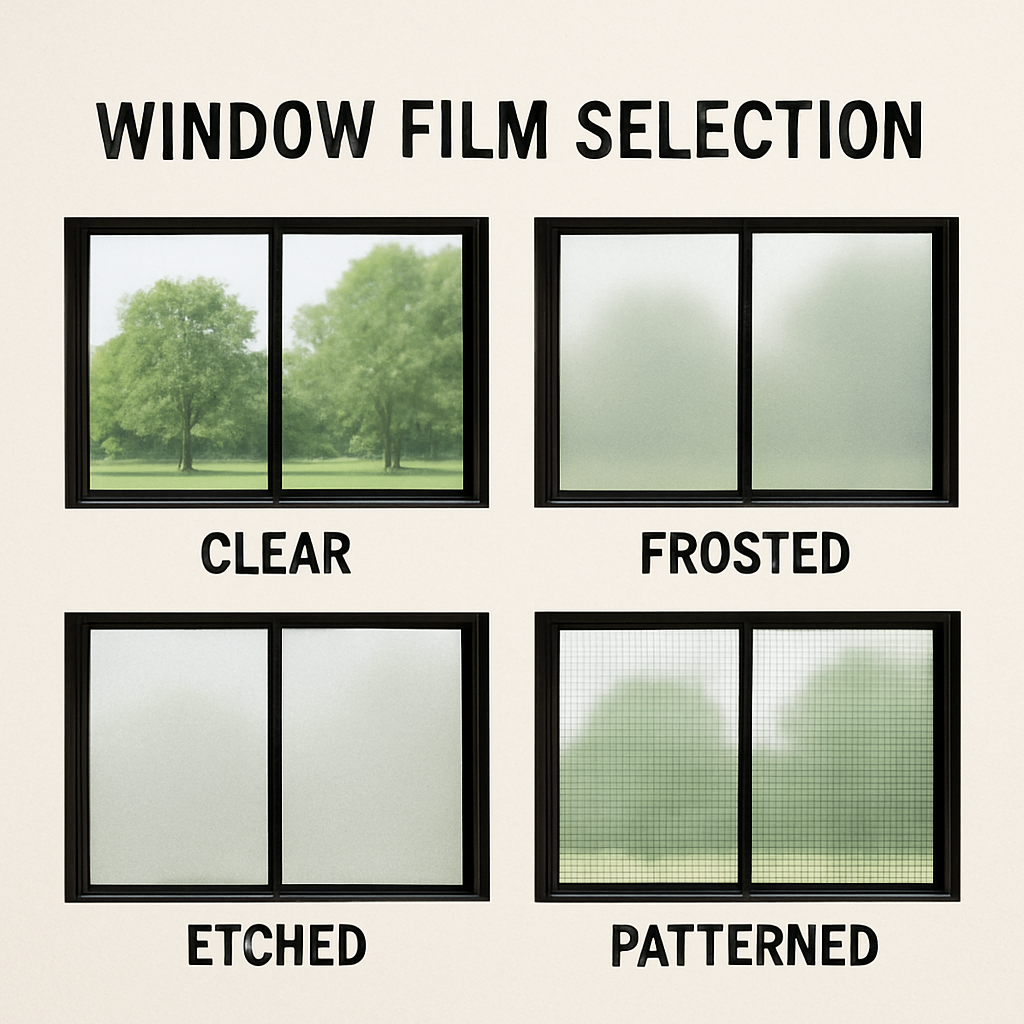
Reflective window films come in various shades and levels of reflectivity. Consider your specific needs—such as privacy, energy efficiency, or decorative appeal—when selecting a film. Privacy window films are ideal for rooms requiring more seclusion, while decorative window films add a stylish touch. If improving thermal performance is your primary goal, consider selecting an energy-efficient window tint to further enhance comfort and savings.
Consider Professional Installation
For large windows or complex installations, you may want to consider hiring a professional. They have the expertise and tools to ensure a flawless application, saving you time and potential frustration.
Evaluate Lighting Conditions
Keep in mind that the effectiveness of reflective window film can vary with lighting conditions. During nighttime, when interior lights are on, the film may not provide the same level of privacy. Consider additional window treatments if nighttime privacy is a concern. For more guidance on overall window efficiency improvements, visit ENERGY STAR.
Conclusion
Reflective window film is a versatile and cost-effective solution that offers privacy, energy savings, and aesthetic enhancement. By following these essential steps and tips, you can successfully apply reflective window film and enjoy its numerous benefits. Whether you’re an interior designer aiming to offer clients innovative solutions or a homeowner looking to elevate your living space, reflective window film is a valuable addition that delivers on both form and function.
# Applying DIY Window Film Like a Pro: Tools and Tips
Transforming your living space doesn’t always require a full-scale renovation. Sometimes, the simplest changes can make the most significant impact. One such change is the application of window film. Whether you’re looking to enhance privacy, improve energy efficiency, or simply add a touch of style, DIY window film installation is an accessible project for any homeowner. This guide will walk you through the process, offering professional tips and advice to ensure your success.
Window films serve multiple purposes, making them a versatile choice for homeowners. Here’s why you might consider them:
Privacy: Window privacy films are an excellent way to keep prying eyes out while still letting light in.
Energy Efficiency: Films can reduce heat gain in summer and heat loss in winter, helping to cut down on energy bills. According to the U.S. Department of Energy, window treatments can significantly improve insulation and overall home energy performance.
Protection: They offer UV protection, which helps prevent fading of furniture and flooring. The Environmental Protection Agency (EPA) explains how UV radiation contributes to material degradation and indoor exposure risks.
Aesthetic Appeal: Available in various designs, window films can enhance the aesthetic appeal of your home.
Tools You’ll Need
Before starting your DIY window film installation, gather the necessary tools to ensure a smooth process. Here’s what you’ll need:
Window Film: Choose a film that suits your needs, whether it’s for privacy, energy efficiency, or decoration.
Utility Knife: A sharp blade is essential for trimming excess film.
Squeegee: This helps to smooth out the film and remove air bubbles.
Spray Bottle: Fill with a solution of water and a few drops of dish soap to lubricate the film.
Measuring Tape: For accurate measurements of your windows.
Lint-Free Cloth: To clean the window surface before application.
Ruler or Straight Edge: Useful for cutting straight lines.
Preparing for Installation
Preparation is key to a successful window film installation. Follow these steps to ensure your windows are ready:
Clean the Windows
Start by thoroughly cleaning the window surface. Use a lint-free cloth and a non-abrasive cleaner to remove dust, dirt, and grime. A clean surface ensures that the film adheres properly without any imperfections.
Measure and Cut the Film
Measure the dimensions of your window and add an extra inch to each side. This allows some leeway for adjustments during installation. Use your ruler and utility knife to cut the film to size.
Prepare the Solution
Fill a spray bottle with water and a few drops of dish soap. This solution will help the film slide into place and make it easier to remove air bubbles during application.
Installing the Window Film
With your tools ready and windows prepped, it’s time to apply the film. Here’s how to do it like a pro. If you want a deeper breakdown of techniques and precision methods, you can also review this detailed guide on how to install window film for professional-level results:
Step 1: Wet the Window
Spray the window generously with the soapy water solution. This lubrication is crucial for positioning the film correctly.
Peel off the backing from the window film and position it on the wet window surface. Start from the top and let the film naturally fall into place. The soapy water will allow you to slide and adjust the film as needed.
Step 3: Smooth Out Air Bubbles
Use the squeegee to gently smooth out the film, starting from the center and working your way to the edges. This action will push out air bubbles and excess solution. Be patient and thorough to avoid wrinkles.
Step 4: Trim Excess Film
Once the film is in place and free of bubbles, use the utility knife to trim any excess along the edges. Use a straight edge to guide your cuts for a clean finish.
Post-Installation Care
After applying the window film, it’s important to let it settle and cure properly:
Drying Time: Allow the film to dry for at least 24 hours before touching or cleaning it.
Avoid Moisture: Keep the window dry and avoid applying any additional water or cleaner during the curing process.
Final Touches: Once dried, inspect the film for any remaining bubbles. Use the squeegee to gently push them out if necessary.
Troubleshooting Common Issues
Even with the best preparation, you might encounter some challenges. Here are solutions to common problems:
Persistent Bubbles
If bubbles persist, they might be due to dust particles or insufficient lubrication. Use a pin to carefully puncture the bubble and smooth it out with the squeegee.
Peeling Edges
Ensure that the film is trimmed close to the window frame. If edges start to peel, apply a small amount of soapy water and press down firmly with the squeegee.
Enhancing Your Home with Window Film
Window film installation is an effective and affordable way to enhance your home’s functionality and style. With the right tools and techniques, you can achieve professional-looking results that provide privacy, energy efficiency, and aesthetic appeal. Whether you’re an interior designer seeking cost-effective solutions or a homeowner looking to refresh your space, window films offer a versatile and rewarding project.
By following these tips and embracing the DIY spirit, you’ll not only save money but also gain the satisfaction of a job well done. Enjoy the transformed look and feel of your home with professionally applied window film.
In today’s world, privacy is a luxury that many homeowners desire. One effective way to achieve this without compromising natural light is by using privacy window film. This innovative solution not only enhances privacy but also contributes to energy efficiency and the aesthetic appeal of your home. As an expert in home improvement solutions, I’m here to guide you through the essential steps to using privacy window film one way, ensuring you achieve the best results.
Understanding Privacy Window Film
Before diving into the installation process, it’s crucial to understand what privacy window film is and how it works. Privacy window film is a thin layer of material applied to glass surfaces. It serves multiple purposes, including reducing glare, blocking harmful UV rays, and most importantly, providing privacy by making the glass opaque from one side.
How Does Privacy Window Film Work?
Privacy window film creates a mirror-like effect on the outside, preventing people from seeing in while allowing you to see out. This is particularly useful for spaces like bathrooms, bedrooms, and street-facing windows where privacy is a priority. The key to its effectiveness is the difference in light levels between the inside and outside of the window.
Benefits of Privacy Window Film
The use of privacy window film offers several benefits that go beyond just privacy. Here are some of the advantages:
Enhanced Privacy
The primary benefit is, of course, privacy. One-way window film allows you to maintain clear views from the inside while preventing outsiders from peering in. This is particularly beneficial for homes in densely populated areas or those with large windows facing public spaces.
Energy Efficiency
Privacy window film can also improve your home’s energy efficiency. By reducing the amount of solar heat entering through the windows, it helps maintain a cooler indoor temperature, reducing the reliance on air conditioning and ultimately lowering energy bills. According to the U.S. Department of Energy, window films can significantly reduce heat gain and improve overall home efficiency.
UV Protection
Another significant benefit is UV protection. Window films block up to 99% of harmful UV rays, which can cause fading to furniture, carpets, and artwork. By investing in window film, you’re also protecting your interiors from sun damage. The Environmental Protection Agency (EPA) highlights the long-term risks associated with UV exposure, reinforcing the importance of protective solutions for your home.
Aesthetic Appeal
Finally, privacy window film can enhance the aesthetic appeal of your home. Available in various styles, colors, and patterns, you can choose a film that complements your interior design and adds a touch of elegance to your windows.
Preparing for Installation
Installing privacy window film is a straightforward process, but proper preparation is essential for achieving professional results. Here’s a step-by-step guide to help you prepare:
Step 1: Gather Your Tools and Materials
Before you begin, ensure you have all the necessary tools and materials:
Privacy window film
Measuring tape
Cutting tool
Squeegee
Spray bottle with soapy water
Lint-free cloth
Step 2: Measure and Cut the Film
Measure the dimensions of your window glass and cut the film accordingly. It’s advisable to cut the film slightly larger than the window to ensure a perfect fit. You can trim any excess during installation.
Step 3: Clean the Window
Cleaning the window thoroughly is crucial for a smooth installation. Use a lint-free cloth and a glass cleaner to remove any dirt, dust, or grease from the surface. Any debris left on the glass can cause bubbles in the film.
Installing Privacy Window Film
Now that you’re prepared, it’s time to install the privacy window film. Follow these steps for a successful installation:
Fill a spray bottle with soapy water and generously spray the window. The soapy water will help you position the film and remove any air bubbles during the application process.
Step 2: Apply the Film
Peel the backing off the privacy film, revealing the adhesive side. Carefully position the film on the wet window, starting from the top and working your way down. Use a squeegee to press the film onto the glass, starting from the center and moving outward to remove any air bubbles.
Step 3: Trim the Edges
Once the film is in place and all bubbles are removed, use a cutting tool to trim any excess film along the edges. Ensure the film fits perfectly within the window frame.
Step 4: Final Touches
After trimming, use a squeegee to smooth out the film once more, ensuring there are no remaining bubbles or creases. Allow the film to dry completely before cleaning the window again.
Maintenance and Care
To ensure the longevity and effectiveness of your privacy window film, regular maintenance is necessary. Here are some care tips:
Avoid Harsh Cleaners: Use gentle, non-abrasive cleaners to avoid damaging the film.
Clean Regularly: Dust and clean the film regularly to maintain its appearance and functionality.
Inspect Periodically: Check for any signs of wear or peeling and address them promptly to prevent further damage.
Conclusion
Privacy window film is an excellent investment for homeowners seeking to enhance privacy, energy efficiency, and aesthetics. By following these essential steps, you can successfully install privacy window film one way and enjoy its numerous benefits.
Whether you’re an interior designer looking to offer clients stylish and eco-friendly solutions or a homeowner aiming to improve your living space, privacy window film is a versatile and effective choice. Embrace this innovative solution and transform your windows today.
Window tinting is often associated with keeping homes cool in the summer by reducing the amount of sunlight that enters through the windows. However, many homeowners and interior designers may not realize that window tinting can also be beneficial during the winter months. The right kind of window tint can improve the insulation of your windows, making your home more energy-efficient and comfortable year-round. In this article, we’ll explore how winter window tinting works and why it could be a valuable addition to your home improvement projects.
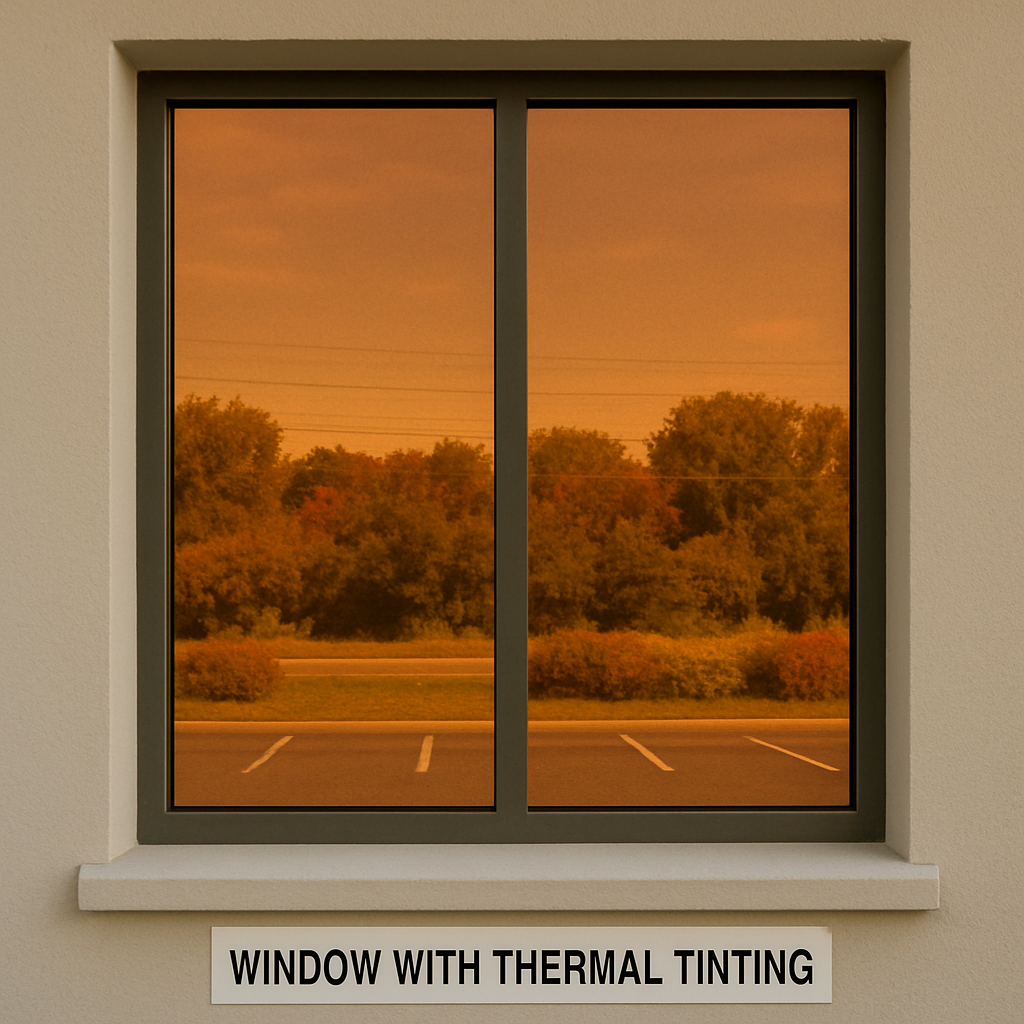
When we talk about window tinting, we’re referring to the application of a thin film to the windows. This film can serve multiple purposes, from reducing glare and blocking harmful UV rays to enhancing privacy and improving insulation. For winter insulation, the focus is on thermal window tint, which is designed to help retain heat inside your home.
How Does Thermal Window Tint Work?
Thermal window tint works by reflecting and absorbing heat. During the winter, it helps to keep warm air inside your home by reducing the amount of heat that escapes through the windows. This is achieved through a special coating that reflects radiant heat back into the room. The result is less heat loss, which means your heating system doesn’t have to work as hard to maintain a comfortable temperature, ultimately leading to energy savings.
Benefits of Winter Window Tinting
The benefits of applying thermal window tint in winter are manifold, and they extend beyond just energy savings. Here are some of the key advantages:
Energy Efficiency: By reducing heat loss through windows, thermal tinting helps lower energy bills and reduces the carbon footprint of your home.
Comfort: A well-insulated home is more comfortable, with fewer drafts and more consistent temperatures throughout.
UV Protection: Window tints can block up to 99% of harmful UV rays, protecting your furnishings and flooring from fading.
Privacy and Security: Certain tints offer increased privacy and can also reinforce windows, making them harder to break.
Choosing the Right Window Tint for Winter
Not all window tints are created equal, especially when it comes to insulation. Here are some factors to consider when choosing a thermal window tint for winter:
Film Type
There are different types of window films available, each designed for specific purposes. For winter insulation, look for films specifically labeled as “thermal” or “insulating.”
Visible Light Transmission (VLT)
VLT measures how much visible light passes through the window tint. A higher VLT means more light enters your home, which can be beneficial in the winter months when natural light is limited.
Solar Heat Gain Coefficient (SHGC)
SHGC measures how well the film blocks heat from sunlight. In winter, you might want a tint with a higher SHGC to allow some solar heat into your home during the day. You can learn more about SHGC and energy performance standards from the U.S. Department of Energy.
Aesthetic Considerations
As an interior designer, you know that aesthetics matter. Fortunately, window tints come in various shades and finishes, allowing you to choose an option that complements the style of your client’s home.
Installing Window Tint: DIY or Professional?
When it comes to installing window tint, you have the option of doing it yourself or hiring a professional. Both have their pros and cons.
DIY Installation
Pros: Cost-effective, allows for customization, and can be a rewarding project for the handy homeowner.
Cons: Requires precision and patience. Mistakes can lead to bubbles or misalignment, which can affect performance and appearance.
Professional Installation
Pros: Ensures a flawless finish, optimized performance, and often comes with a warranty.
Cons: More expensive upfront, but the investment can pay off in energy savings and increased home value.
Real-World Example: Transforming a Living Space with Window Tint
Consider a scenario where a homeowner wants to enhance their living room’s energy efficiency without compromising on style. By choosing a clear thermal window tint, they can maintain the room’s natural light while significantly reducing heat loss. The result is a cozy, stylish space that saves on heating costs and reduces environmental impact.
Maintenance and Longevity of Window Tint
One of the great things about window tint is that it requires very little maintenance once installed. Here are some tips to ensure its longevity:
Cleaning: Use a soft cloth and mild soapy water to clean the windows. Avoid abrasive cleaners that can scratch the film.
Inspection: Regularly check for any signs of peeling or bubbling, which could indicate that the tint needs to be replaced.
Professional Check-up: Consider a professional check-up every few years to ensure the tint remains in good condition and continues to provide insulation benefits.
The Future of Window Tinting: Innovations and Trends
The window tinting industry is constantly evolving, with new technologies and trends emerging to enhance performance and aesthetics. Some exciting developments include:
Smart Window Films: These films can adjust their tint based on the temperature or time of day, providing optimal insulation and lighting conditions automatically. Research into smart glazing technologies is also documented by the National Renewable Energy Laboratory.
Decorative Tints: More options are becoming available that combine insulation with decorative patterns, allowing for more personalized designs.
Conclusion: Is Winter Window Tinting Worth It?
In conclusion, window tinting is not just a summer solution. With the right thermal window tint, you can improve your home’s winter insulation, leading to energy savings and increased comfort. Whether you’re a homeowner looking to upgrade your space or an interior designer seeking innovative solutions for clients, winter window tinting offers a practical and stylish option to enhance living environments.
By understanding the benefits and options available, you can make informed decisions that align with your goals of creating energy-efficient and aesthetically pleasing spaces. So, the next time you consider a home improvement project, think about the potential of window tinting to transform your home into a cozy, efficient haven all year round.
When it comes to enhancing your living spaces with style and functionality, window tinting offers a versatile and effective solution. Among the various options available, the 35 VLT (Visible Light Transmission) window tint stands out as a popular choice for homeowners and interior designers alike. But what makes it so special, and how can you use it effectively? In this article, we will delve into the benefits, applications, and considerations of using 35 VLT window tint in your home.
Understanding 35 VLT Window Tint
To grasp the value of 35 VLT window tint, it’s essential to understand what VLT means. Visible Light Transmission (VLT) refers to the amount of visible light that can pass through the window film. A 35 VLT tint allows 35% of visible light to enter a space, striking a balance between natural light and privacy.
Benefits of 35 VLT Window Tint
The 35 VLT window tint offers several advantages that make it an attractive choice for homeowners and interior designers. Let’s explore some of these benefits:
Enhances Privacy
One of the primary reasons people choose window tinting is to increase privacy. With 35 VLT tint, you can enjoy natural light while reducing the visibility from the outside. This makes it ideal for rooms where you want to maintain a degree of privacy without blocking out the daylight completely.
Reduces Glare
Glare from the sun can be disruptive, whether you’re working on a computer, watching TV, or simply relaxing. By installing 35 VLT window tint, you can significantly reduce glare, creating a more comfortable environment in any room of your home.
Improves Energy Efficiency
Window tinting can also contribute to energy savings. By blocking a portion of the sun’s heat, 35 VLT window tint can help regulate indoor temperatures. This means your air conditioning system won’t have to work as hard to keep your home cool, leading to potential reductions in energy bills. Choosing an energy-efficient window tint can further enhance overall performance and comfort.
Protects Interior Furnishings
UV rays from the sun can cause fading and damage to your furniture, flooring, and artwork. The 35 VLT window tint helps protect your home’s interior by blocking up to 99% of harmful UV rays, preserving the appearance and longevity of your furnishings. According to the Skin Cancer Foundation, UV radiation can penetrate glass and contribute to skin damage indoors, making UV protection an important consideration for residential spaces.
Applications of 35 VLT Window Tint
The versatility of 35 VLT window tint makes it suitable for various applications within a home. Here are some areas where this tint can be particularly beneficial:
Living Rooms
In living rooms, where you spend a significant amount of time, comfort and ambiance are key. The 35 VLT tint allows enough natural light to create a warm and inviting atmosphere while minimizing glare and protecting your furniture.
Home Offices
For those who work from home, a conducive environment is crucial. The reduction in glare provided by the 35 VLT tint can help reduce eye strain and improve productivity, making it an excellent choice for home offices.
Bedrooms
Privacy is especially important in bedrooms. With 35 VLT window tint, you can enjoy a peaceful retreat without compromising on natural light. The tint also helps maintain a comfortable temperature, enhancing your overall comfort.
Kitchens
In kitchens, where natural light is often desirable, the 35 VLT tint strikes the perfect balance. It allows you to enjoy sunlight while keeping heat and glare at bay, creating an ideal cooking and dining environment.
Considerations Before Installing 35 VLT Window Tint
While the benefits of 35 VLT window tint are clear, there are some factors to consider before installation to ensure it meets your needs:
Local Regulations
Before installing window tint, check your local regulations regarding VLT levels. Some areas have specific laws about the permissible VLT for residential properties. Ensuring compliance will help you avoid potential fines or the need to remove the tint. You can also review general building energy efficiency guidelines from the U.S. Department of Energy for additional insights.
Aesthetic Preferences
Consider the overall aesthetic of your home. While 35 VLT is a versatile option, it’s essential to ensure that the tint complements your interior design. You can choose from various shades and finishes to achieve the desired look.
Professional Installation
For the best results, it’s advisable to hire a professional for the installation. A skilled installer will ensure that the tint is applied evenly and without bubbles, ensuring a seamless finish that enhances both the appearance and functionality of your windows.
The 35 VLT window tint is an excellent choice for homeowners and interior designers seeking to balance privacy, natural light, and energy efficiency. By understanding its benefits and applications, you can make an informed decision that enhances the comfort and aesthetics of your living spaces. Whether you’re looking to reduce glare in your home office or protect your furnishings in the living room, 35 VLT window tint offers a versatile solution that meets your needs.
Remember to consider local regulations, aesthetic preferences, and the importance of professional installation for the best outcomes. With the right approach, 35 VLT window tint can be a valuable addition to your home improvement projects, offering both style and functionality.
Privacy is a key concern for many homeowners. Whether you’re living in a bustling urban area or a quiet suburban neighborhood, the need to prevent prying eyes from seeing into your home is universal. This concern extends beyond privacy, as many people also seek solutions that enhance the aesthetic appeal of their homes. Privacy window tint has been a go-to solution, but there are other innovative methods to consider. These alternatives not only address privacy concerns but also add decorative elements to your living spaces.
Moreover, with the rise of smart homes and open-concept living, the demand for customizable privacy solutions has increased. Homeowners are looking for options that are not only functional but also easy to adapt to changing needs and styles. As a result, the market has responded with a variety of products that offer both privacy and design flexibility, making it easier than ever to find a solution that fits your unique requirements.
Privacy Window Tint: A Quick Overview
Privacy window tint is a thin film applied to glass surfaces. It offers privacy by reflecting light and creating a mirrored effect on the outside. This solution has been widely adopted due to its straightforward installation process and immediate effectiveness. While effective, it might not be suitable for everyone. Some may find it diminishes natural light or doesn’t align with their design aesthetics, particularly in spaces where maintaining a bright and airy atmosphere is desired.
Additionally, privacy window tint can sometimes create a stark contrast with the rest of the home’s design elements, especially in rooms with a specific color palette or theme. For individuals who prioritize maintaining a consistent interior design, exploring alternatives that offer a blend of privacy and aesthetic harmony becomes essential. Understanding these nuances is key to making an informed decision about the best privacy solution for your home.
Frosted glass films are a fantastic alternative to traditional window tint. They provide a similar level of privacy by obscuring the view from outside while allowing light to filter through. Available in various patterns and designs, frosted films can complement any decor style, from minimalist to eclectic. This versatility makes them a popular choice among homeowners looking to enhance privacy without compromising on style.
Moreover, frosted glass films can be customized to reflect personal tastes and preferences. Whether you prefer a subtle matte finish or intricate patterns, there are numerous options to choose from. These films are particularly useful in areas like bathrooms and offices, where both privacy and light are crucial. Their ability to diffuse light also helps reduce glare, creating a more comfortable environment.
Benefits:
Easy to install and remove: Frosted films are user-friendly, making them a suitable DIY project for homeowners.
Allows natural light in while maintaining privacy: Unlike traditional tints, frosted films don’t darken rooms, preserving the natural brightness.
Available in multiple designs to match aesthetic preferences: With countless design options, these films can enhance any interior space.
2. Privacy Screens
Privacy screens are versatile and can be used both indoors and outdoors. These screens can be set up near windows to provide a barrier without blocking light. They are available in different materials, such as wood, metal, or fabric, allowing for creative expression and functional use. Privacy screens are perfect for those who enjoy rearranging their living spaces, as they can be easily moved and adjusted to fit different layouts.
In addition to their functionality, privacy screens serve as decorative elements that can enhance the overall ambiance of a room. They can be used to create focal points or divide spaces in open-plan areas. With a variety of styles and materials available, privacy screens can be tailored to match any interior design theme, from rustic to contemporary.
Benefits:
Can be moved and rearranged easily: Perfect for dynamic spaces where flexibility is essential.
Adds a decorative element to the space: Privacy screens can serve as art pieces, adding texture and depth to a room.
Offers flexible privacy solutions: Ideal for temporary setups or changing privacy needs.
3. Window Coverings
Window coverings like curtains and blinds are classic privacy solutions. They come in various styles, colors, and materials, offering a wide range of design possibilities. Whether you prefer the elegance of drapes or the sleekness of modern blinds, window coverings provide a practical and stylish way to enhance privacy and control light.
Curtains and blinds can be layered to achieve the desired level of opacity and light control. For instance, sheer curtains can be paired with heavier drapes to allow flexibility in light management. Additionally, window coverings can be customized with various accessories, such as tiebacks and finials, to add a personal touch to your decor.
Types of Window Coverings:
Curtains: Available in sheer or heavy fabrics, curtains can be used to control the amount of light entering a room. They also add softness and texture to interior spaces.
Blinds: With options like Venetian, roller, or Roman blinds, you can adjust the slats to regulate privacy and light. Blinds offer a clean, modern look and are easy to maintain.
Shutters: Wooden or plantation shutters add a touch of elegance and provide excellent privacy. Shutters are durable and can be painted or stained to match your interior style.
If you’re an interior designer or a homeowner looking to add a creative touch to your space, consider these innovative privacy screen ideas. These ideas not only offer privacy but also serve as unique design elements that can transform your living areas.
1. Decorative Panels
Decorative panels can be customized to fit the theme of your room. Laser-cut designs or stained glass panels can act as both art and functional privacy screens. These panels can be used as statement pieces that draw attention and enhance the aesthetic of a space. Incorporating decorative panels into your design can help create a cohesive look, tying together various elements of your decor.
In addition to their aesthetic appeal, decorative panels offer practical benefits. They can be used to section off areas in open-plan spaces, providing privacy and defining different zones within a room. With endless design possibilities, decorative panels can be tailored to suit any style, from traditional to modern.
2. Green Walls
Integrating plants into privacy solutions is a sustainable and stylish choice. Vertical gardens or potted plants near windows create a natural barrier while improving air quality and adding greenery to your space. Green walls are particularly appealing in urban environments, where access to nature may be limited. They offer a refreshing and calming presence, contributing to a healthier living environment.
Moreover, green walls can be customized to suit different spaces and preferences. Whether you choose trailing vines or lush ferns, plants can be arranged in various configurations to create the desired level of privacy. This eco-friendly solution not only enhances privacy but also promotes a sense of well-being and connection to nature.
3. Sliding Panels
Sliding panels offer a modern twist on traditional privacy screens. They can be installed on tracks to slide open or closed, providing a flexible privacy solution that’s easy to operate. Sliding panels are ideal for spaces that require frequent adjustments, as they can be easily moved to accommodate different needs. Their sleek design adds a contemporary touch to any room, making them a popular choice for modern interiors.
In addition to their functionality, sliding panels come in a variety of materials and finishes, allowing for personalization and creative expression. Whether you prefer a minimalist look or a bold statement, sliding panels can be customized to complement your decor and enhance the overall aesthetic of your space.
The Role of Energy Efficiency
Beyond privacy, one of the significant benefits of window solutions is their impact on energy efficiency. By selecting the right materials and designs, you can reduce energy consumption and lower utility bills. Energy-efficient window solutions not only contribute to a more sustainable lifestyle but also provide long-term cost savings for homeowners.
Energy-Efficient Window Coverings
Cellular Shades: Known for their honeycomb design, cellular shades trap air and act as insulators, keeping rooms warm in the winter and cool in the summer. This design helps maintain a comfortable indoor temperature year-round, reducing the need for heating and cooling systems. (See Energy Efficient Window Coverings.)
Thermal Curtains: Made from thick, insulated fabric, these curtains reduce heat loss during colder months and block sunlight during warmer months. Thermal curtains are an excellent investment for those looking to improve their home’s energy efficiency while maintaining a stylish appearance. (Natural Resources Canada also notes that curtains and blinds can help reduce heat loss.)
Making the Right Choice
When selecting a privacy solution, consider your specific needs. Each option offers distinct advantages, and understanding these can help you make an informed decision that aligns with your lifestyle and preferences.
Aesthetic Preferences: Does the solution match your interior design style? Consider how each option complements your existing decor and enhances the overall ambiance of your space.
Functionality: Does it provide the level of privacy you need? Evaluate how each solution meets your privacy requirements and whether it offers the flexibility to adapt to changing needs.
Energy Efficiency: Will it help reduce your energy consumption? Consider the environmental impact and potential cost savings associated with each option.
Conclusion
Choosing the right alternative to privacy window tint is crucial for enhancing both the functionality and aesthetic appeal of your home. With options ranging from frosted glass films and privacy screens to various window coverings, you can find a solution that meets your needs and complements your style. Whether you’re an interior designer sourcing solutions for clients or a homeowner seeking to improve your living space, these alternatives offer versatility and innovation.
By incorporating these solutions, you not only ensure privacy but also contribute to energy efficiency, creating a comfortable and stylish environment. Remember, the best choice is one that aligns with your specific requirements and enhances the overall ambiance of your home. With the right solution, you can transform your windows into a focal point of both design and practicality, achieving the perfect balance between privacy, style, and sustainability.