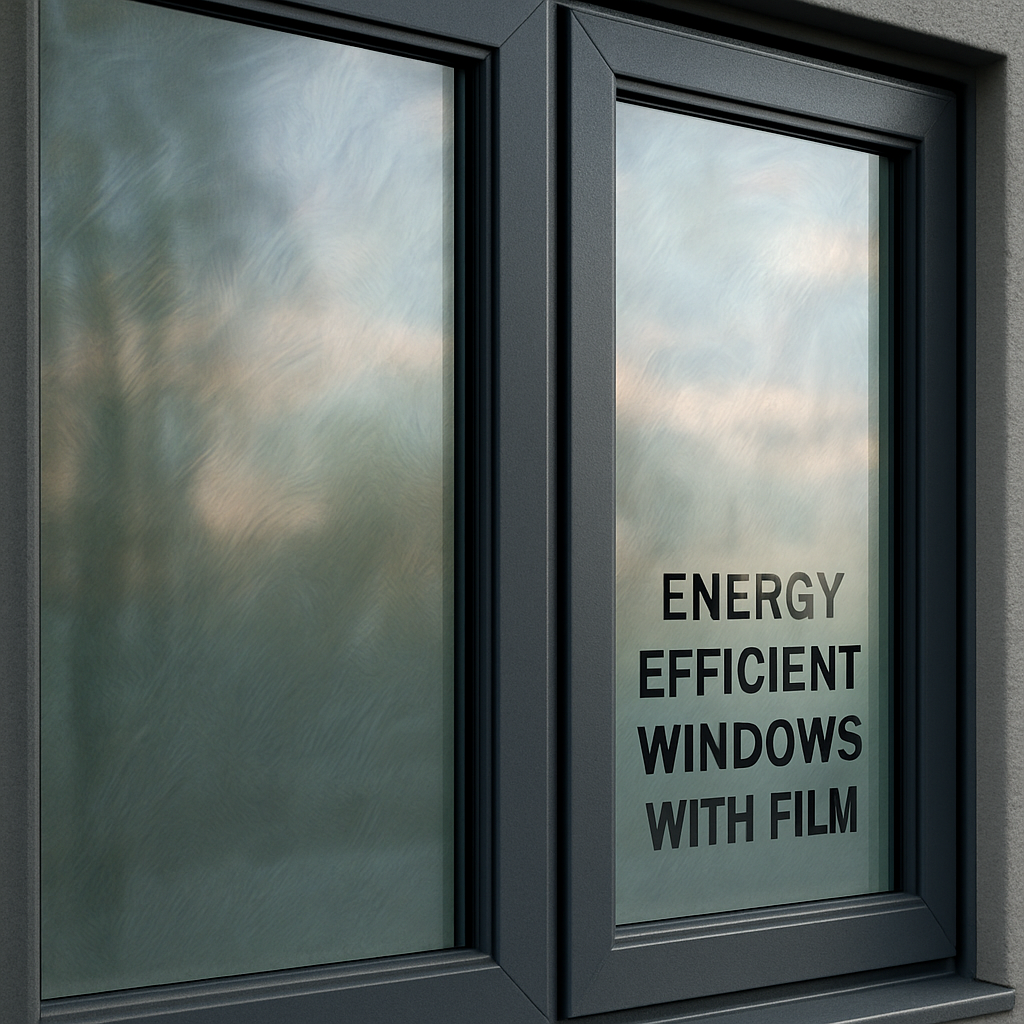
When it comes to enhancing your living spaces with style and functionality, window tinting offers a versatile and effective solution. Among the various options available, the 35 VLT (Visible Light Transmission) window tint stands out as a popular choice for homeowners and interior designers alike. But what makes it so special, and how can you use it effectively? In this article, we will delve into the benefits, applications, and considerations of using 35 VLT window tint in your home.
Understanding 35 VLT Window Tint
To grasp the value of 35 VLT window tint, it’s essential to understand what VLT means. Visible Light Transmission (VLT) refers to the amount of visible light that can pass through the window film. A 35 VLT tint allows 35% of visible light to enter a space, striking a balance between natural light and privacy.
Benefits of 35 VLT Window Tint
The 35 VLT window tint offers several advantages that make it an attractive choice for homeowners and interior designers. Let’s explore some of these benefits:
Enhances Privacy
One of the primary reasons people choose window tinting is to increase privacy. With 35 VLT tint, you can enjoy natural light while reducing the visibility from the outside. This makes it ideal for rooms where you want to maintain a degree of privacy without blocking out the daylight completely.
Reduces Glare
Glare from the sun can be disruptive, whether you’re working on a computer, watching TV, or simply relaxing. By installing 35 VLT window tint, you can significantly reduce glare, creating a more comfortable environment in any room of your home.
Improves Energy Efficiency
Window tinting can also contribute to energy savings. By blocking a portion of the sun’s heat, 35 VLT window tint can help regulate indoor temperatures. This means your air conditioning system won’t have to work as hard to keep your home cool, leading to potential reductions in energy bills. Choosing an energy-efficient window tint can further enhance overall performance and comfort.
Protects Interior Furnishings
UV rays from the sun can cause fading and damage to your furniture, flooring, and artwork. The 35 VLT window tint helps protect your home’s interior by blocking up to 99% of harmful UV rays, preserving the appearance and longevity of your furnishings. According to the Skin Cancer Foundation, UV radiation can penetrate glass and contribute to skin damage indoors, making UV protection an important consideration for residential spaces.
Applications of 35 VLT Window Tint
The versatility of 35 VLT window tint makes it suitable for various applications within a home. Here are some areas where this tint can be particularly beneficial:
Living Rooms
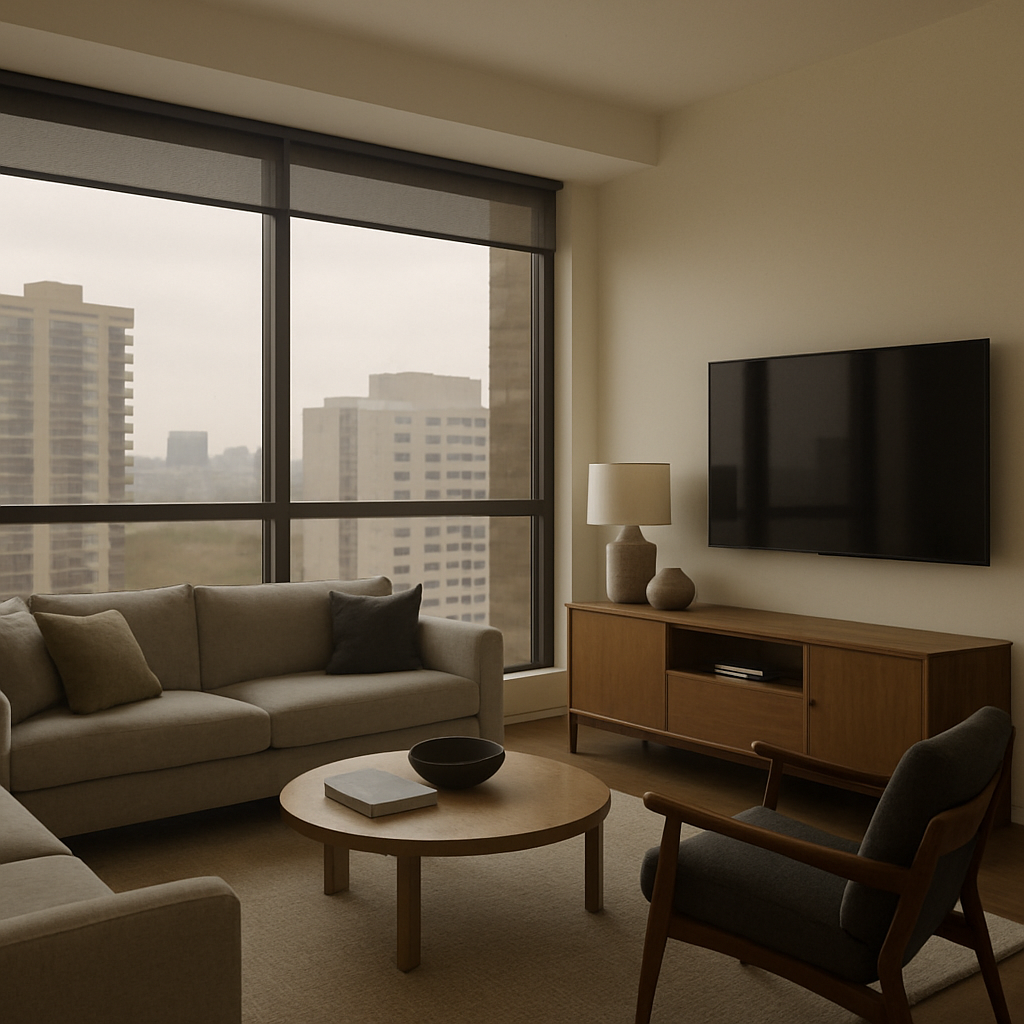
In living rooms, where you spend a significant amount of time, comfort and ambiance are key. The 35 VLT tint allows enough natural light to create a warm and inviting atmosphere while minimizing glare and protecting your furniture.
Home Offices
For those who work from home, a conducive environment is crucial. The reduction in glare provided by the 35 VLT tint can help reduce eye strain and improve productivity, making it an excellent choice for home offices.
Bedrooms
Privacy is especially important in bedrooms. With 35 VLT window tint, you can enjoy a peaceful retreat without compromising on natural light. The tint also helps maintain a comfortable temperature, enhancing your overall comfort.
Kitchens
In kitchens, where natural light is often desirable, the 35 VLT tint strikes the perfect balance. It allows you to enjoy sunlight while keeping heat and glare at bay, creating an ideal cooking and dining environment.
Considerations Before Installing 35 VLT Window Tint
While the benefits of 35 VLT window tint are clear, there are some factors to consider before installation to ensure it meets your needs:
Local Regulations
Before installing window tint, check your local regulations regarding VLT levels. Some areas have specific laws about the permissible VLT for residential properties. Ensuring compliance will help you avoid potential fines or the need to remove the tint. You can also review general building energy efficiency guidelines from the U.S. Department of Energy for additional insights.
Aesthetic Preferences
Consider the overall aesthetic of your home. While 35 VLT is a versatile option, it’s essential to ensure that the tint complements your interior design. You can choose from various shades and finishes to achieve the desired look.
Professional Installation
For the best results, it’s advisable to hire a professional for the installation. A skilled installer will ensure that the tint is applied evenly and without bubbles, ensuring a seamless finish that enhances both the appearance and functionality of your windows.
The 35 VLT window tint is an excellent choice for homeowners and interior designers seeking to balance privacy, natural light, and energy efficiency. By understanding its benefits and applications, you can make an informed decision that enhances the comfort and aesthetics of your living spaces. Whether you’re looking to reduce glare in your home office or protect your furnishings in the living room, 35 VLT window tint offers a versatile solution that meets your needs.
Remember to consider local regulations, aesthetic preferences, and the importance of professional installation for the best outcomes. With the right approach, 35 VLT window tint can be a valuable addition to your home improvement projects, offering both style and functionality.
Privacy is a key concern for many homeowners. Whether you’re living in a bustling urban area or a quiet suburban neighborhood, the need to prevent prying eyes from seeing into your home is universal. This concern extends beyond privacy, as many people also seek solutions that enhance the aesthetic appeal of their homes. Privacy window tint has been a go-to solution, but there are other innovative methods to consider. These alternatives not only address privacy concerns but also add decorative elements to your living spaces.
Moreover, with the rise of smart homes and open-concept living, the demand for customizable privacy solutions has increased. Homeowners are looking for options that are not only functional but also easy to adapt to changing needs and styles. As a result, the market has responded with a variety of products that offer both privacy and design flexibility, making it easier than ever to find a solution that fits your unique requirements.
Privacy Window Tint: A Quick Overview
Privacy window tint is a thin film applied to glass surfaces. It offers privacy by reflecting light and creating a mirrored effect on the outside. This solution has been widely adopted due to its straightforward installation process and immediate effectiveness. While effective, it might not be suitable for everyone. Some may find it diminishes natural light or doesn’t align with their design aesthetics, particularly in spaces where maintaining a bright and airy atmosphere is desired.
Additionally, privacy window tint can sometimes create a stark contrast with the rest of the home’s design elements, especially in rooms with a specific color palette or theme. For individuals who prioritize maintaining a consistent interior design, exploring alternatives that offer a blend of privacy and aesthetic harmony becomes essential. Understanding these nuances is key to making an informed decision about the best privacy solution for your home.
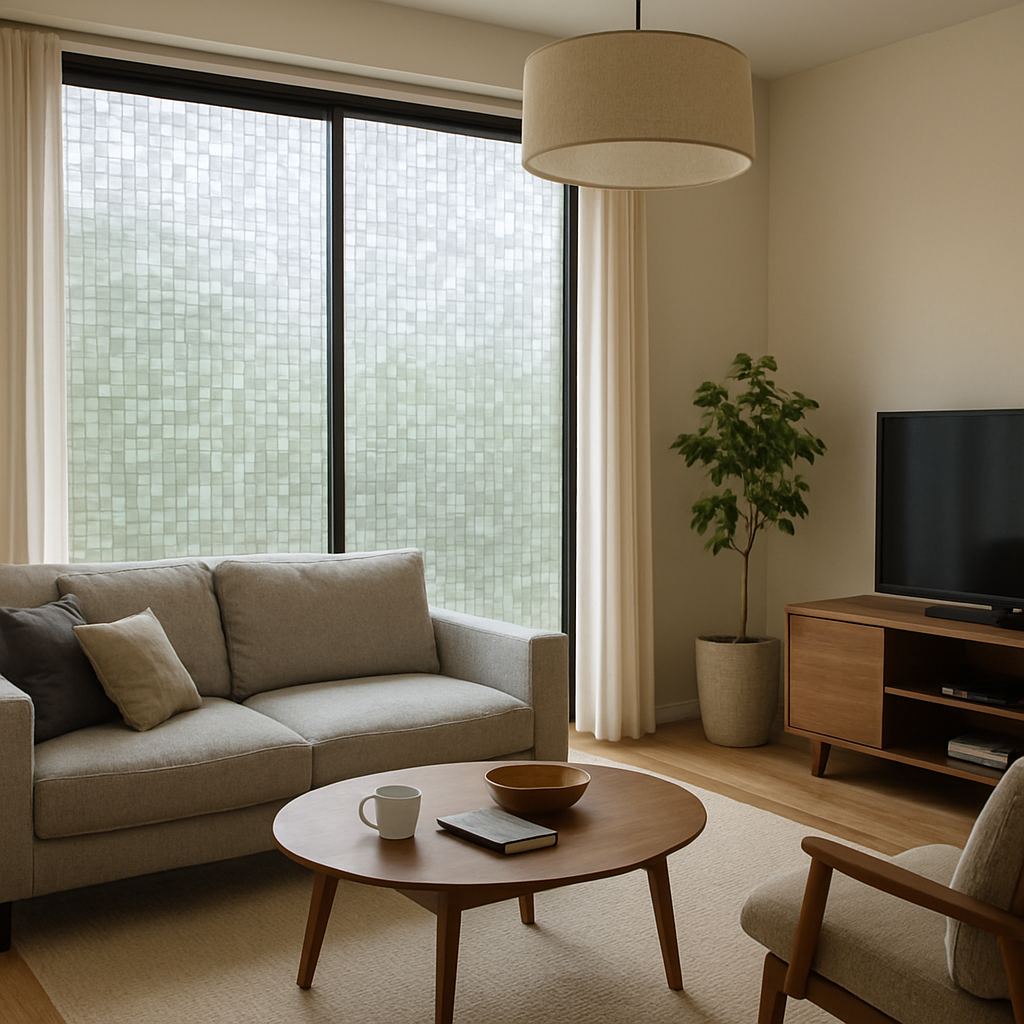
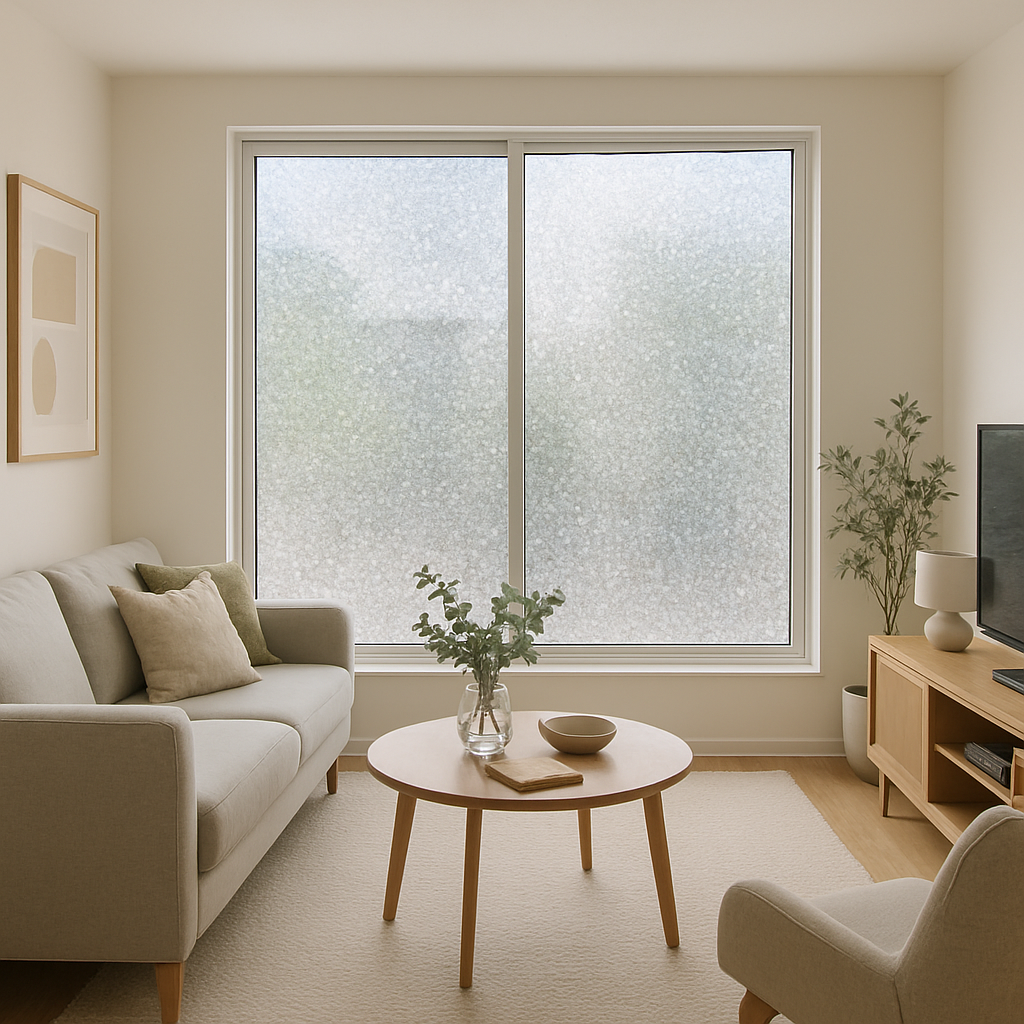
Frosted glass films are a fantastic alternative to traditional window tint. They provide a similar level of privacy by obscuring the view from outside while allowing light to filter through. Available in various patterns and designs, frosted films can complement any decor style, from minimalist to eclectic. This versatility makes them a popular choice among homeowners looking to enhance privacy without compromising on style.
Moreover, frosted glass films can be customized to reflect personal tastes and preferences. Whether you prefer a subtle matte finish or intricate patterns, there are numerous options to choose from. These films are particularly useful in areas like bathrooms and offices, where both privacy and light are crucial. Their ability to diffuse light also helps reduce glare, creating a more comfortable environment.
Benefits:
Easy to install and remove: Frosted films are user-friendly, making them a suitable DIY project for homeowners.
Allows natural light in while maintaining privacy: Unlike traditional tints, frosted films don’t darken rooms, preserving the natural brightness.
Available in multiple designs to match aesthetic preferences: With countless design options, these films can enhance any interior space.
2. Privacy Screens
Privacy screens are versatile and can be used both indoors and outdoors. These screens can be set up near windows to provide a barrier without blocking light. They are available in different materials, such as wood, metal, or fabric, allowing for creative expression and functional use. Privacy screens are perfect for those who enjoy rearranging their living spaces, as they can be easily moved and adjusted to fit different layouts.
In addition to their functionality, privacy screens serve as decorative elements that can enhance the overall ambiance of a room. They can be used to create focal points or divide spaces in open-plan areas. With a variety of styles and materials available, privacy screens can be tailored to match any interior design theme, from rustic to contemporary.
Benefits:
Can be moved and rearranged easily: Perfect for dynamic spaces where flexibility is essential.
Adds a decorative element to the space: Privacy screens can serve as art pieces, adding texture and depth to a room.
Offers flexible privacy solutions: Ideal for temporary setups or changing privacy needs.
3. Window Coverings
Window coverings like curtains and blinds are classic privacy solutions. They come in various styles, colors, and materials, offering a wide range of design possibilities. Whether you prefer the elegance of drapes or the sleekness of modern blinds, window coverings provide a practical and stylish way to enhance privacy and control light.
Curtains and blinds can be layered to achieve the desired level of opacity and light control. For instance, sheer curtains can be paired with heavier drapes to allow flexibility in light management. Additionally, window coverings can be customized with various accessories, such as tiebacks and finials, to add a personal touch to your decor.
Types of Window Coverings:
Curtains: Available in sheer or heavy fabrics, curtains can be used to control the amount of light entering a room. They also add softness and texture to interior spaces.
Blinds: With options like Venetian, roller, or Roman blinds, you can adjust the slats to regulate privacy and light. Blinds offer a clean, modern look and are easy to maintain.
Shutters: Wooden or plantation shutters add a touch of elegance and provide excellent privacy. Shutters are durable and can be painted or stained to match your interior style.
If you’re an interior designer or a homeowner looking to add a creative touch to your space, consider these innovative privacy screen ideas. These ideas not only offer privacy but also serve as unique design elements that can transform your living areas.
1. Decorative Panels
Decorative panels can be customized to fit the theme of your room. Laser-cut designs or stained glass panels can act as both art and functional privacy screens. These panels can be used as statement pieces that draw attention and enhance the aesthetic of a space. Incorporating decorative panels into your design can help create a cohesive look, tying together various elements of your decor.
In addition to their aesthetic appeal, decorative panels offer practical benefits. They can be used to section off areas in open-plan spaces, providing privacy and defining different zones within a room. With endless design possibilities, decorative panels can be tailored to suit any style, from traditional to modern.
2. Green Walls
Integrating plants into privacy solutions is a sustainable and stylish choice. Vertical gardens or potted plants near windows create a natural barrier while improving air quality and adding greenery to your space. Green walls are particularly appealing in urban environments, where access to nature may be limited. They offer a refreshing and calming presence, contributing to a healthier living environment.
Moreover, green walls can be customized to suit different spaces and preferences. Whether you choose trailing vines or lush ferns, plants can be arranged in various configurations to create the desired level of privacy. This eco-friendly solution not only enhances privacy but also promotes a sense of well-being and connection to nature.
3. Sliding Panels
Sliding panels offer a modern twist on traditional privacy screens. They can be installed on tracks to slide open or closed, providing a flexible privacy solution that’s easy to operate. Sliding panels are ideal for spaces that require frequent adjustments, as they can be easily moved to accommodate different needs. Their sleek design adds a contemporary touch to any room, making them a popular choice for modern interiors.
In addition to their functionality, sliding panels come in a variety of materials and finishes, allowing for personalization and creative expression. Whether you prefer a minimalist look or a bold statement, sliding panels can be customized to complement your decor and enhance the overall aesthetic of your space.
The Role of Energy Efficiency
Beyond privacy, one of the significant benefits of window solutions is their impact on energy efficiency. By selecting the right materials and designs, you can reduce energy consumption and lower utility bills. Energy-efficient window solutions not only contribute to a more sustainable lifestyle but also provide long-term cost savings for homeowners.
Energy-Efficient Window Coverings
Cellular Shades: Known for their honeycomb design, cellular shades trap air and act as insulators, keeping rooms warm in the winter and cool in the summer. This design helps maintain a comfortable indoor temperature year-round, reducing the need for heating and cooling systems. (See Energy Efficient Window Coverings.)
Thermal Curtains: Made from thick, insulated fabric, these curtains reduce heat loss during colder months and block sunlight during warmer months. Thermal curtains are an excellent investment for those looking to improve their home’s energy efficiency while maintaining a stylish appearance. (Natural Resources Canada also notes that curtains and blinds can help reduce heat loss.)
Making the Right Choice
When selecting a privacy solution, consider your specific needs. Each option offers distinct advantages, and understanding these can help you make an informed decision that aligns with your lifestyle and preferences.
Aesthetic Preferences: Does the solution match your interior design style? Consider how each option complements your existing decor and enhances the overall ambiance of your space.
Functionality: Does it provide the level of privacy you need? Evaluate how each solution meets your privacy requirements and whether it offers the flexibility to adapt to changing needs.
Energy Efficiency: Will it help reduce your energy consumption? Consider the environmental impact and potential cost savings associated with each option.
Conclusion
Choosing the right alternative to privacy window tint is crucial for enhancing both the functionality and aesthetic appeal of your home. With options ranging from frosted glass films and privacy screens to various window coverings, you can find a solution that meets your needs and complements your style. Whether you’re an interior designer sourcing solutions for clients or a homeowner seeking to improve your living space, these alternatives offer versatility and innovation.
By incorporating these solutions, you not only ensure privacy but also contribute to energy efficiency, creating a comfortable and stylish environment. Remember, the best choice is one that aligns with your specific requirements and enhances the overall ambiance of your home. With the right solution, you can transform your windows into a focal point of both design and practicality, achieving the perfect balance between privacy, style, and sustainability.
When it comes to enhancing the comfort and aesthetics of your car or home, window tinting can be an excellent choice. It not only contributes to the visual appeal but also offers practical benefits such as improved privacy and protection against harmful UV rays. Among the various options available, the 30 VLT window tint stands out for its balanced features. But what exactly does 30 VLT mean, and why should you consider it for your vehicle or property? In this comprehensive guide, we’ll delve into the essentials of 30 VLT window tint, explore its benefits, and help you understand why it might be the right choice for you.
What Does 30 VLT Mean?
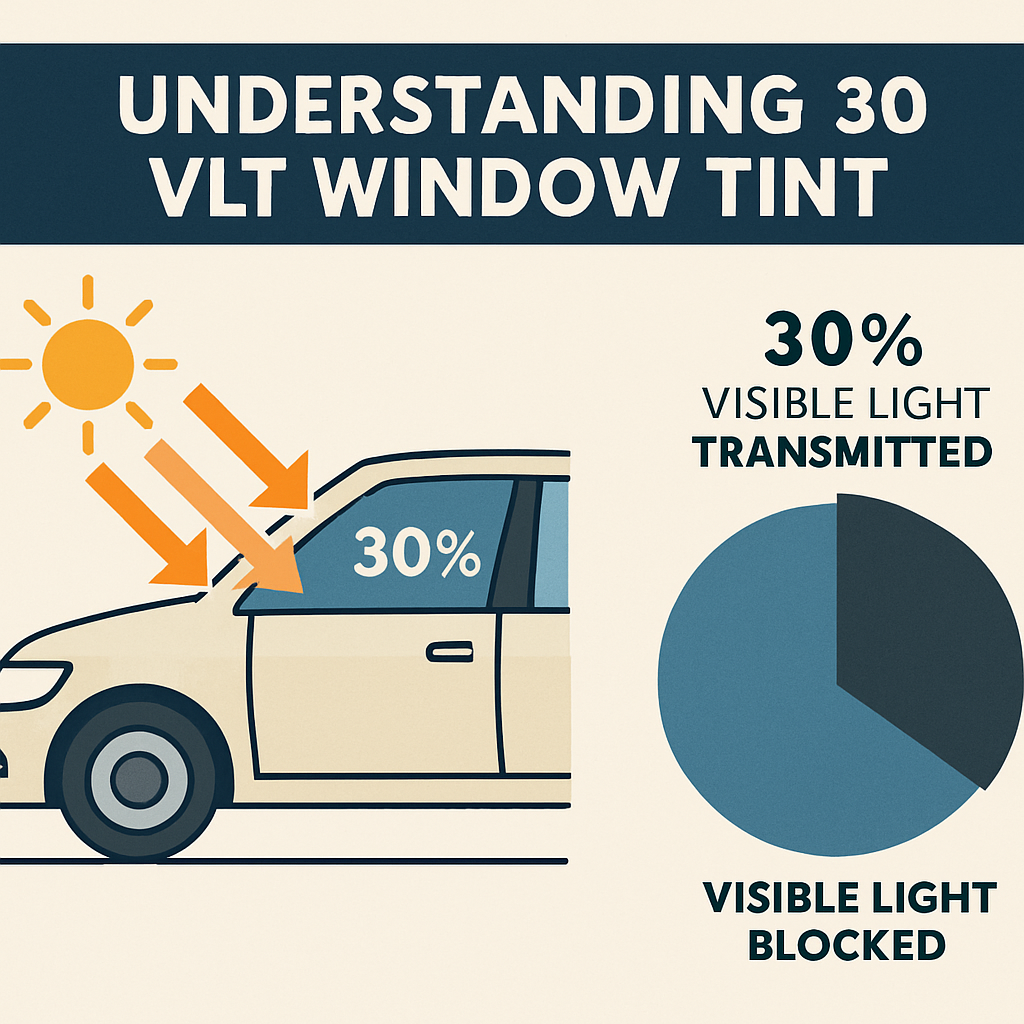
VLT stands for Visible Light Transmission, which refers to the amount of visible light that can pass through a window tint film. A 30 VLT window tint allows 30% of visible light to pass through, effectively blocking 70% of it. This level of tint provides a balanced degree of privacy and visibility, making it a versatile option for both vehicles and homes. It is particularly suitable for those who want to maintain some level of natural light while enhancing privacy.
Understanding the concept of VLT is crucial as it directly affects both the interior ambiance and exterior appearance of your car or home. A higher VLT percentage means more light is allowed through the windows, which might be preferred in areas with less sunlight. Conversely, a lower VLT percentage offers greater privacy and glare reduction, ideal for sunnier climates. Thus, choosing the right VLT percentage requires careful consideration of your specific needs and environmental conditions.
Why Choose 30 VLT?
Choosing a 30 VLT window tint strikes a balance between light transmission and privacy. It is dark enough to provide privacy and glare reduction, yet light enough to maintain clarity and visibility. This makes it an ideal choice for those who want to enhance their car’s appearance without compromising safety. Additionally, it offers a moderate level of heat rejection, which can be beneficial in keeping interiors cooler during hot weather.
Moreover, a 30 VLT tint is versatile across different applications, whether for residential or automotive use. It adds a sleek, modern touch to vehicles and homes alike, boosting their overall appeal. By selecting a 30 VLT tint, you gain the advantage of a product that not only meets aesthetic desires but also fulfills practical needs such as UV protection and heat reduction. This versatility makes it a go-to option for many users looking to improve their space’s functionality and style.
Benefits of 30 VLT Window Tint
Enhanced Privacy
One of the primary reasons people opt for window tinting is privacy. A 30 VLT tint offers substantial privacy by making it difficult for outsiders to see inside your vehicle or home, thus providing peace of mind. This level of privacy is particularly beneficial in densely populated areas where homes and vehicles are often in close proximity to others.
Enhanced privacy is also crucial for security reasons. By reducing the visibility of the interior, potential thieves are less likely to be tempted by valuables left in plain view. For homeowners, this added layer of privacy can also contribute to a more relaxed and comfortable living environment, as you can enjoy your space without feeling exposed to the outside world.
UV Protection
Exposure to ultraviolet (UV) rays can cause damage to your skin and the interior of your car. A 30 VLT window tint can block up to 99% of harmful UV rays, protecting both you and your car’s upholstery from sun damage. This protection is crucial in preventing fading and deterioration of the interior materials, ultimately extending the lifespan of your vehicle’s interior.
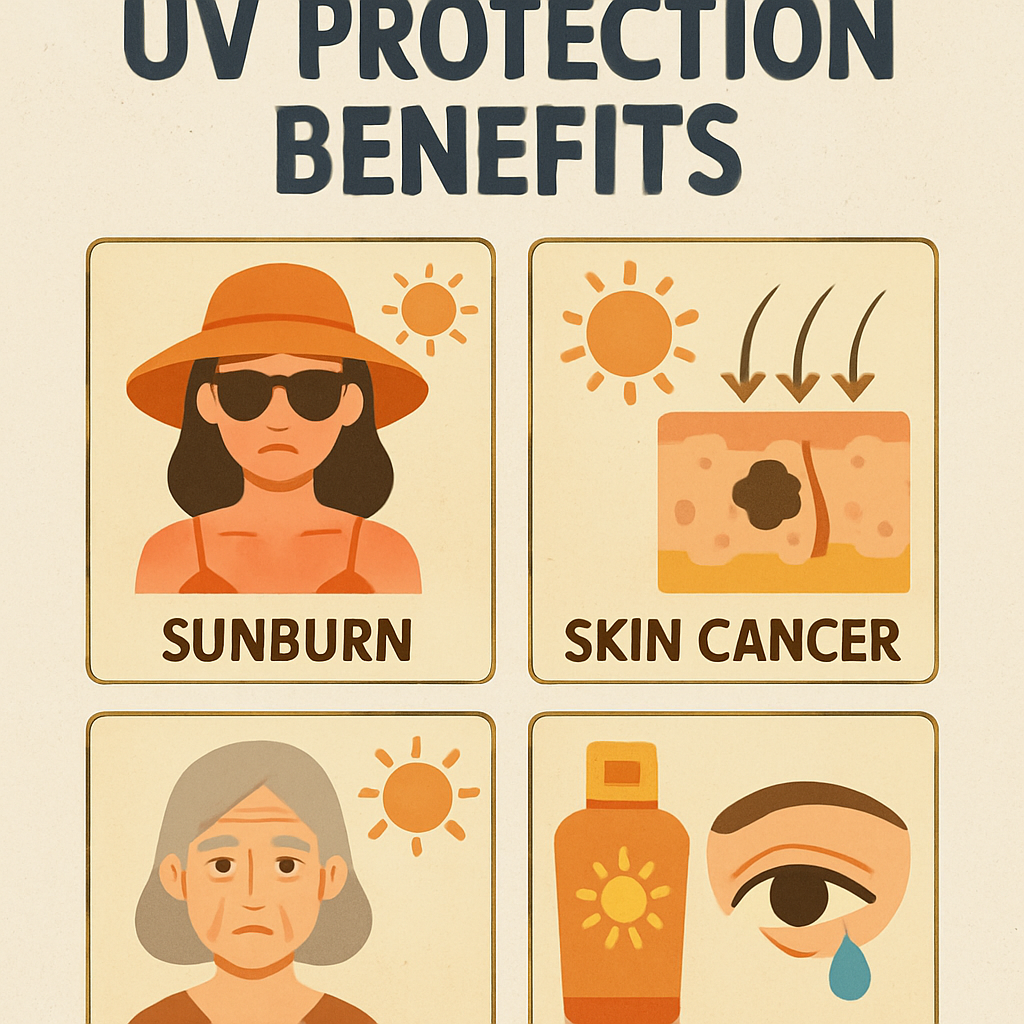
UV protection is equally important for health reasons. Prolonged exposure to UV rays increases the risk of skin cancer and accelerates skin aging. By reducing UV exposure, a 30 VLT tint helps safeguard your health while ensuring a cooler and more comfortable ride. For homeowners, this protection extends to furniture, flooring, and other interior elements, preserving their quality over time.
Heat Reduction
Tired of entering a sweltering car on a hot day? A 30 VLT window tint can significantly reduce the heat inside your car by blocking a large percentage of solar energy. This can lead to a more comfortable driving experience and reduce the need for air conditioning, thus saving on fuel costs. The heat reduction benefit is not limited to vehicles; homes can also enjoy cooler indoor temperatures, leading to lower energy bills.
By minimizing heat buildup, a 30 VLT tint creates a more pleasant environment, whether you’re driving or relaxing at home. It enhances comfort by maintaining a stable, cooler temperature, which is particularly beneficial in regions with intense sunlight. This efficiency in temperature management makes 30 VLT tints a practical choice for energy-conscious individuals looking to reduce solar heat gain and lower cooling demand.
Glare Reduction
Driving with sun glare can be dangerous. A 30 VLT tint reduces glare from the sun and headlights, providing a safer driving experience. This reduction in glare is especially beneficial during dawn and dusk when the sun is low in the sky, and at night when facing oncoming traffic with bright headlights.
Glare reduction is not only important for safety but also for comfort. By diminishing harsh light, it reduces eye strain and fatigue, allowing for a more relaxed driving experience. For home use, glare reduction means less strain on the eyes when watching TV or working on a computer, as well as improved comfort in brightly lit rooms.
Aesthetic Appeal
For many, the look of their vehicle is important. A 30 VLT window tint can give your car a sleek, modern appearance, enhancing its overall aesthetic. It adds a touch of sophistication and can make older models look more contemporary. Similarly, when applied to home windows, it can complement the architectural style and enhance curb appeal.
Aesthetic appeal is a significant consideration for those who take pride in their property’s appearance. The uniform look provided by a 30 VLT tint can elevate the exterior design, making both vehicles and homes stand out. Moreover, the tint can be a subtle yet impactful way to refresh the look of your space, providing a clean and polished finish that reflects personal style.
Installation of 30 VLT Window Tint
Professional Installation vs. DIY
While DIY kits are available, professional installation ensures a flawless finish. Professionals have the expertise and tools to apply the tint without bubbles or creases, ensuring longevity and effectiveness. A professional installation also often comes with a warranty, providing peace of mind and protection against defects or premature wear.
Choosing professional installation is particularly beneficial for those unfamiliar with tint application. It saves time and reduces the risk of errors that could lead to additional costs. Moreover, professionals can offer insights into the best tinting options for specific needs, ensuring the chosen product provides maximum benefits.
Considerations Before Installation
Before installing a 30 VLT window tint, consider the legal regulations in your area. Tint laws vary by state and country, and it’s important to ensure your tint complies with local regulations to avoid fines. Understanding these laws can prevent unwanted legal issues and ensure that your tint provides the intended benefits without compromising compliance.
In addition to legal considerations, think about the specific needs and conditions of your environment. Factors such as climate, the direction of window exposure, and personal preferences should guide your decision. Consulting with a professional can help tailor the tint to your unique circumstances, optimizing its performance and longevity.
30 VLT for Automotive Use
Advantages for Vehicles
Privacy: Offers moderate privacy for passengers, allowing them to travel comfortably without being in the public eye.
Safety: Reduces glare and prevents UV damage, contributing to a safer and more enjoyable driving experience.
Efficiency: Helps in maintaining cooler car interiors, reducing the need for excessive air conditioning use and improving fuel efficiency.
These advantages make the 30 VLT tint a practical choice for vehicle owners who prioritize both functionality and style. By opting for this level of tint, drivers can enjoy a more secure and comfortable journey while also protecting their investment in the vehicle’s interior. The added privacy and aesthetic appeal can also enhance the overall satisfaction of vehicle ownership.
Legal Considerations
Check your local laws regarding window tinting. Some areas have restrictions on the darkness of window tints, and it’s crucial to adhere to these rules to avoid penalties. Failing to comply with these laws can result in fines and the requirement to remove the tint, leading to additional expenses.
Understanding legal considerations not only ensures compliance but also helps in making an informed decision about the level of tint that’s appropriate for your vehicle. Working with a reputable installer can provide guidance on legal compliance, helping you choose a tint that meets both your needs and the law.
Installing a 30 VLT tint on home windows can offer similar benefits as automotive use, such as UV protection, heat reduction, and enhanced privacy. It also contributes to energy efficiency by reducing the need for air conditioning. The tint acts as an insulator, helping to maintain a consistent indoor temperature and reduce energy consumption.
For homeowners, these benefits translate into cost savings and increased comfort. By reducing solar heat gain, the 30 VLT tint helps create a more pleasant living environment, especially in sun-exposed areas of the home. Additionally, the protection it offers against UV rays can preserve the quality of interior furnishings, preventing fading and extending their lifespan.
Enhancing Home Interiors
For interior designers, a 30 VLT window tint can complement home aesthetics. It allows natural light to illuminate the interiors while minimizing glare and protecting furniture from sun damage. This balance of light and protection enhances the ambiance of a room, creating a comfortable and inviting space.
The aesthetic enhancement provided by a 30 VLT tint can also increase property value. Potential buyers are often attracted to homes with energy-efficient features and modern upgrades, making window tinting a worthwhile investment. By integrating this feature, homeowners can enjoy both immediate aesthetic benefits and long-term value appreciation.
Choosing the Right Tint
Factors to Consider
Purpose: Determine whether your primary goal is privacy, UV protection, or aesthetic enhancement. Understanding your priorities will guide your selection process, ensuring the chosen tint meets your specific needs.
Compliance: Ensure the tint complies with local laws. This step is crucial to avoid legal issues and ensure your tint provides the intended benefits.
Quality: Opt for high-quality tints to ensure durability and effectiveness. Investing in a reputable product can prevent issues such as peeling or bubbling, maintaining the tint’s appearance and performance over time.
By considering these factors, you can make an informed decision that aligns with both your functional requirements and personal preferences. Consulting with a professional can further refine your choice, providing insights into the best products and installation practices.
Consulting with Experts
When in doubt, consulting with a window tinting expert can provide valuable insights. They can recommend the best tint based on your specific needs and budget. Their expertise can help navigate the multitude of options available, ensuring you select a tint that maximizes benefits while staying within your financial constraints.
Experts can also offer advice on maintenance and care, ensuring your tint remains in optimal condition for years to come. By leveraging their knowledge, you can enhance both the performance and longevity of your window tint, leading to greater satisfaction and value.
Conclusion
A 30 VLT window tint offers a perfect balance of privacy, protection, and aesthetics for both automotive and residential applications. Whether you’re seeking to enhance your vehicle’s look or improve the energy efficiency of your home, this versatile tint can meet a variety of needs. Remember to consider legal requirements and consult with professionals to ensure the best results. With the right tint, you can enjoy enhanced comfort, style, and protection.
By understanding the benefits and considerations of 30 VLT window tint, you can make an informed decision that enhances your living or driving experience. If you’re ready to make the change, reach out to a trusted window tinting service to explore your options. With expert guidance and the right product, you can transform your space, enjoying both immediate and long-term benefits that enrich your daily life.
In the world of home improvement, window tinting often goes unnoticed. Yet, it offers a range of benefits that can significantly enhance your living space. Whether it’s for a residential property or a vehicle, window tinting is a practical and stylish solution that shouldn’t be overlooked. Let’s delve into why you should consider a window tinting service and how it can benefit you.
Window tinting involves applying a thin film to the glass surfaces of windows. This film can be made from different materials and comes in various shades and colors. The primary purpose of window tinting is to reduce the amount of sunlight and harmful UV rays that enter your space, offering numerous benefits in return.
One of the most significant advantages of window tinting is its ability to improve energy efficiency. By reducing the amount of heat that enters your home, window tinting helps maintain a consistent indoor temperature. This means your air conditioning system doesn’t have to work as hard, leading to lower energy bills. According to the U.S. Department of Energy, window films and treatments can significantly reduce heat gain and improve overall home efficiency.
UV Protection
Window tinting is an effective barrier against harmful UV rays. These rays can fade furniture, flooring, and artwork over time. By blocking up to 99% of UV radiation, window tinting protects your interior furnishings and extends their lifespan. The Skin Cancer Foundation also highlights the importance of UV protection through window films to reduce harmful exposure indoors.
Enhanced Privacy and Security
Tinted windows provide an added layer of privacy by making it difficult for outsiders to see inside your home or car. This is particularly beneficial for ground-level rooms or vehicles parked in busy areas. Additionally, window tinting can reinforce the glass, making it harder to break, thus enhancing security.
Improved Comfort
Window tinting reduces glare from the sun, making it more comfortable to watch TV or work on your computer. It also helps in maintaining a cooler environment during hot days, ensuring comfort for you and your family.
Aesthetic Appeal
Tinted windows can enhance the aesthetic appeal of your home or car. With a variety of shades and styles available, you can choose a look that complements your design preferences and adds a touch of sophistication.
Different Types of Window Tinting
Solar Window Film
Solar window film is designed to reduce heat and glare. It is the most common type of window tinting and is ideal for homeowners looking to improve energy efficiency.
Decorative Window Film
For those interested in aesthetics, decorative window film offers a range of patterns and colors. It’s perfect for adding privacy and style to interior spaces without sacrificing natural light.
Security Window Film
Security window film is thicker than other types and is designed to hold glass together in the event of an impact. This makes it an excellent choice for enhancing the security of your home or vehicle.
Ceramic Window Film
Ceramic window film is a premium option that provides superior heat rejection, UV protection, and clarity. It doesn’t contain dyes or metals, making it a durable and high-performing choice.
Choosing the Right Window Tinting Service
When considering a window tinting service, it’s essential to choose a provider with experience and a good reputation. Here are some tips to help you make the right choice:
Research and Reviews
Start by searching for “window tinting near me” to find local providers. Look for reviews and testimonials from previous customers to gauge their satisfaction with the service.
Quality of Materials
Ensure that the service provider uses high-quality materials and offers a warranty on their products. The longevity and effectiveness of the tint depend on the quality of the film used.
Professional Installation
Professional installation is crucial for achieving the best results. Experienced technicians will ensure that the film is applied smoothly and without bubbles or creases.
Customer Service
Choose a provider that offers excellent customer service and is willing to answer your questions. A customer-centric approach is a sign of a reliable and trustworthy service.
The cost of window tinting can vary based on several factors, including the size of the windows, the type of film used, and the complexity of the installation. While it might seem like a significant investment initially, the long-term savings on energy bills and the protection of your interior furnishings make it a worthwhile expenditure.
Is Window Tinting Right for You?
Window tinting is a versatile and effective solution for anyone looking to enhance their living or driving experience. Whether you’re an interior designer seeking to offer clients eco-friendly solutions, or a homeowner wanting to improve comfort and security, window tinting is a valuable addition to any space.
By considering the benefits and choosing a reputable service provider, you can enjoy the many advantages that window tinting has to offer. So, the next time you think about home improvements or car upgrades, don’t forget to consider the impact of quality window tinting.
Final Thoughts
Window tinting is more than just an aesthetic upgrade; it’s a practical investment that offers numerous benefits. From energy efficiency and UV protection to privacy and enhanced comfort, the advantages are clear. By choosing the right type of film and a reputable service provider, you can enjoy these benefits for years to come.
Whether you’re looking to update your home or your vehicle, window tinting is a smart choice that combines style with functionality. Take the time to explore your options and find a solution that fits your needs and enhances your space.
When it comes to enhancing the comfort and aesthetics of a living space, 1-way window film is an often overlooked but highly effective solution. This innovative product not only offers a range of practical benefits but also adds a touch of modernity to any room. As an expert in home improvement solutions, I’m here to guide you through the quick wins you can achieve with 1-way window film. Whether you’re an interior designer looking to offer clients stylish solutions or a homeowner seeking to enhance your space, this article is for you.
1-way window film is a type of window treatment that allows people inside a building to see out while preventing those outside from seeing in. This creates a mirrored effect on the exterior, which can be both a design element and a privacy solution. If you’re exploring Introduction to window films, this type of film is one of the most popular choices for balancing privacy and natural light.
How Does It Work?
The film is made using a thin layer of metallic compounds that reflect light. During the day, the outside of the film appears reflective, offering privacy and reducing glare. However, it’s important to note that at night, when interior lights are on, this effect is reversed unless additional window treatments are used. For more technical insight into how reflective coatings manage solar heat gain, you can refer to resources from the U.S. Department of Energy.
Benefits of 1-Way Window Film
1-way window film offers a multitude of advantages that can make it a worthwhile addition to any space.
Enhanced Privacy
One of the most significant benefits is the enhanced privacy it provides during daylight hours. This makes it an ideal solution for ground-floor rooms, offices, or any space where privacy is a concern.
Energy Efficiency
Another key advantage is energy efficiency. By reflecting a significant amount of sunlight, the film helps maintain indoor temperatures, reducing the need for air conditioning during hot months. This not only lowers energy bills but also contributes to a more sustainable living environment. Independent research on energy performance and glazing systems can also be found through the Natural Resources Canada guide on improving window efficiency.
UV Protection
The film blocks up to 99% of harmful UV rays, protecting your furniture, flooring, and artwork from fading. This prolongs the life of your interior decor and maintains the vibrancy of your space.
Glare Reduction
For those who work from home or enjoy watching TV during the day, glare can be a significant nuisance. 1-way window film reduces glare, making it easier to see screens and improving overall comfort.
Aesthetic Appeal
The mirrored exterior of the film can add a sleek, modern look to any building. This is particularly appealing to interior designers aiming to enhance the curb appeal of a property.
Quick Wins: Installation and Maintenance
Installing 1-way window film is a straightforward process that can yield immediate benefits.
Easy Installation
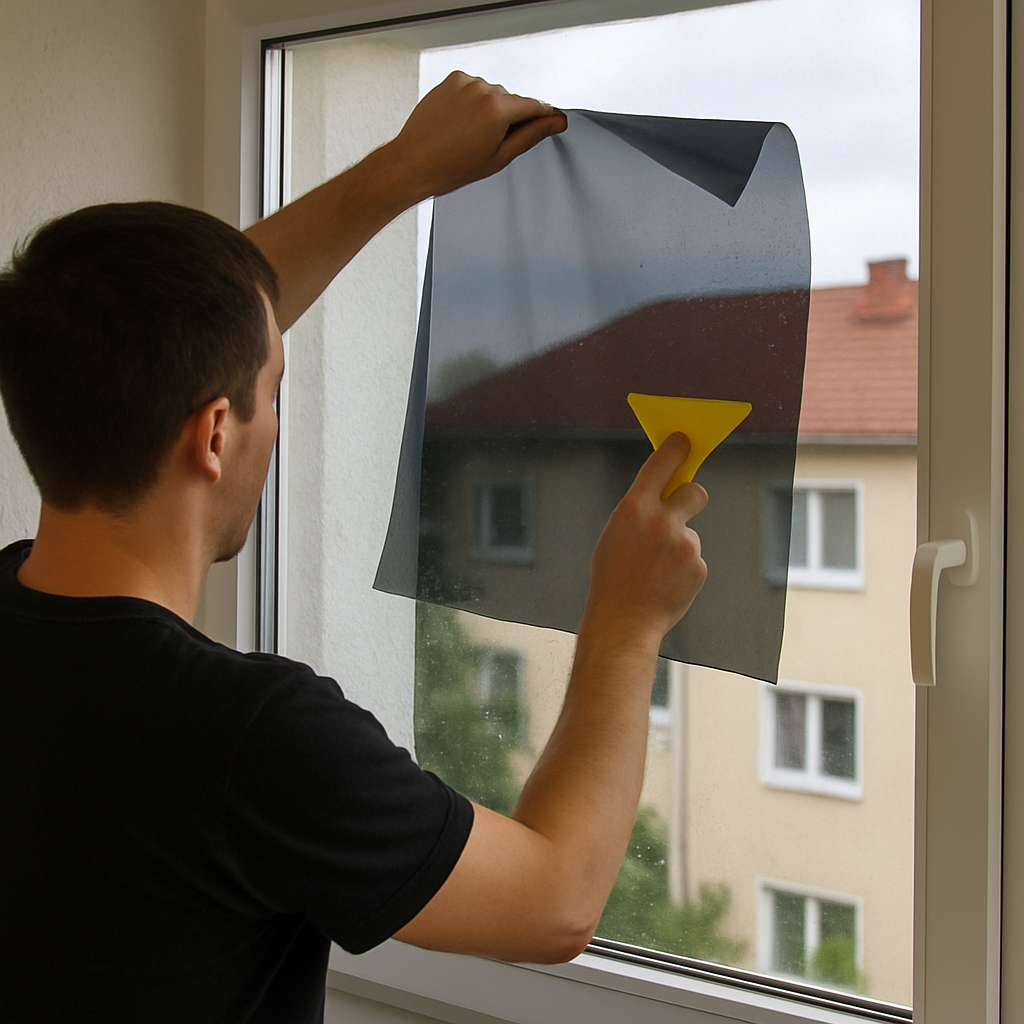
The installation process is quick and non-intrusive, often taking just a few hours depending on the size of the windows. It involves cleaning the windows, cutting the film to size, and applying it with a squeegee to remove any air bubbles. Many homeowners find it a manageable DIY project, although professional installation ensures a flawless finish.
Low Maintenance
Once installed, the film requires minimal maintenance. Regular cleaning with a soft cloth and mild detergent will keep it looking its best. Avoid abrasive cleaners or rough cloths that could damage the film.
1-way window film is versatile and can be tailored to meet specific needs. Whether you need greater privacy in a bathroom, reduced glare in a home office, or energy efficiency in a sunroom, the film can be customized to achieve your goals.
Customization Options
Tint Levels: Choose from a range of tint levels to balance privacy with natural light.
Colors and Patterns: Some films offer decorative options with various colors and patterns to match your interior design.
Security Film: For added protection, consider security window films that add a layer of shatter resistance.
Real-World Application: Case Study
Consider a recent project where an interior designer transformed a client’s downtown apartment using 1-way window film. The client desired a modern aesthetic with improved privacy and energy efficiency. The designer chose a reflective film with a subtle tint, which complemented the apartment’s minimalist decor.
The result was a space that felt open and airy without compromising on privacy. The client reported a noticeable reduction in energy bills and appreciated the added UV protection for their furnishings.
Conclusion: A Smart Choice for Modern Living
1-way window film is a smart, cost-effective solution for anyone looking to enhance their living space. It offers numerous benefits, from privacy and energy efficiency to UV protection and aesthetic appeal. For interior designers, it’s an invaluable tool that provides clients with modern, stylish, and eco-friendly solutions.
Whether you’re upgrading a single room or an entire building, 1-way window film can deliver quick wins that enhance both the functionality and beauty of your space. Consider incorporating this innovative product into your next home improvement project to experience its transformative impact.
Privacy is a fundamental aspect of any home, and one of the simplest ways to enhance it is by using privacy window film. This innovative solution offers a variety of benefits, including improved aesthetics, energy efficiency, and a heightened sense of security, all without sacrificing natural light. In this article, we will explore the right way to use one-way privacy window film to maximize its advantages and ensure a seamless integration into your home decor.
Privacy window film is a thin layer of polyester or vinyl that adheres to your windows. It allows you to see out while preventing others from seeing in. This feature makes it an ideal choice for homeowners who want to maintain their privacy without blocking out the natural light that streams into their living spaces. According to the U.S. Department of Energy, certain window films and coverings can also help improve energy efficiency in homes.
Types of Privacy Window Film
There are several types of privacy window films available, each offering unique features to cater to different needs:
Frosted Window Film: This film offers a translucent appearance, diffusing light while obscuring the view from both sides.
Reflective Window Film: Often used in commercial settings, this film provides a mirrored effect on the outside during the day, enhancing privacy.
Decorative Window Film: Available in various patterns and designs, this film adds an aesthetic touch while offering privacy.
One-Way Mirror Film: This film creates a mirrored exterior while allowing clear visibility from the inside, optimal for daytime privacy.
Benefits of Using Privacy Window Film
Enhanced Privacy
The primary benefit of privacy window film is, unsurprisingly, increased privacy. Whether you live in a busy urban area or simply wish to keep prying eyes at bay, window films are an effective and affordable solution.
Energy Efficiency
Privacy window film can also contribute to energy savings. Reflective films, for example, reduce heat gain by reflecting sunlight, which helps maintain a comfortable indoor temperature and reduces reliance on air conditioning. This can lead to significant savings on your energy bills. Research from the National Renewable Energy Laboratory shows that solar-control window technologies can meaningfully improve building energy performance.
UV Protection
Another advantage of window films is their ability to block harmful UV rays. These rays can cause fading and damage to your furniture, flooring, and artwork. By installing window films, you can protect your interiors and extend the lifespan of your belongings.
Improved Aesthetics
Privacy window films are available in a wide range of designs and finishes, allowing you to customize the look of your windows. Whether you prefer a sleek modern look or a more traditional design, there’s a film to suit your style.
Safety and Security
Privacy films can also enhance safety by holding shattered glass together in the event of a breakage. This reduces the risk of injury from flying glass shards and can deter potential intruders by making it more difficult to see inside.
Installation: The Right Way
Installing privacy window film is a straightforward process, but it requires attention to detail to ensure a smooth, bubble-free finish. Here’s a step-by-step guide to help you achieve professional results.
Preparation
Measure and Cut: Measure your windows carefully and cut the film to size, leaving a small margin for adjustment.
Clean the Glass: Thoroughly clean your windows to remove dust, dirt, and grease. Use a glass cleaner and a lint-free cloth to achieve a spotless surface.
Application
Wet the Glass: Spray the window with a mixture of water and a few drops of dish soap. This will help you position the film and remove air bubbles.
Peel and Apply: Carefully peel the backing off the film and apply it to the wet glass, starting from the top and working your way down.
Smooth Out Bubbles: Use a squeegee to smooth out any air bubbles and excess water. Start from the center and work towards the edges.
Finishing Touches
Trim the Edges: Once the film is in place, use a sharp utility knife to trim any excess material from the edges.
Final Inspection: Check for any remaining bubbles or imperfections and smooth them out with the squeegee.
Maintaining Your Privacy Window Film
Once installed, privacy window films require minimal maintenance. Here are some tips to keep them looking their best:
Cleaning: Clean the film with a soft cloth and a mild soap solution. Avoid abrasive cleaners that can scratch the surface.
Avoid Sharp Objects: Be cautious when handling sharp objects near the film, as they can cause scratches or tears.
Regular Inspection: Periodically inspect the film for signs of wear or damage, and replace it if necessary to maintain optimal performance.
Selecting the right privacy window film depends on your specific needs and preferences. Consider the following factors when making your choice:
Privacy Level: Determine the level of privacy you require and choose a film that meets those needs.
Aesthetic Preferences: Consider the design and finish of the film to ensure it complements your interior decor.
Climate Considerations: If you live in a hot climate, opt for a reflective film that offers heat reduction benefits.
Conclusion
Privacy window film is a versatile and effective solution for enhancing privacy, improving energy efficiency, and adding a decorative touch to your home. By understanding the different types of films and following the proper installation and maintenance procedures, you can enjoy the many benefits they offer. Whether you’re looking to boost privacy or simply enhance the look of your windows, privacy window film is a smart investment for any homeowner.