Categories
Window Tint and Film

Understanding VLT Levels in Window Tinting for Homes

# Understanding VLT Levels in Window Tinting for Homes

When it comes to enhancing your home’s comfort and energy efficiency, window tinting is a popular option. Not only does it offer an added layer of privacy and protection from harmful UV rays, but it also contributes to energy savings. A key factor in choosing the right window tint is understanding the Darkness levels and VLT% options. In this article, we’ll explore what VLT levels mean, why they matter, and how to select the best window tint percentage for your home.

What Are VLT Levels in Window Tinting?

Visible Light Transmission (VLT) refers to the amount of visible light that passes through a window film. It is expressed as a percentage. For example, a window film with a VLT of 20% will allow 20% of visible light to pass through, blocking the remaining 80%. The lower the VLT percentage, the darker the tint.

Importance of VLT Levels

Understanding VLT levels is essential for several reasons:

  1. Privacy: Lower VLT levels offer more privacy by reducing visibility from the outside.
  2. Glare Reduction: Tinting with lower VLT levels can significantly decrease glare from the sun, enhancing comfort.
  3. Energy Efficiency: By blocking more light, window films with lower VLT levels can help reduce heat gain, leading to lower cooling costs.
  4. Aesthetics: Different VLT levels can change the appearance of your windows, impacting the overall look of your home.

Choosing the Right Window Tint Percentage

Selecting the appropriate window tint percentage depends on several factors, including your privacy needs, energy efficiency goals, and local regulations.

Privacy Needs

If privacy is your top priority, consider window tints with a lower VLT percentage. A film with a VLT of 15% to 25% is often recommended for those looking to enhance privacy while still allowing some natural light in.

Energy Efficiency Goals

For homeowners focused on reducing energy costs, selecting a window tint with a lower VLT can help. Films with a VLT of 25% to 35% are effective in blocking a significant amount of heat, thus reducing reliance on air conditioning. According to the U.S. Department of Energy, window films can significantly reduce solar heat gain and improve indoor comfort.

Local Window Tint Regulations

Checking window tint regulations in a home office

Before installing window tint, it’s crucial to check local regulations. Some areas have laws dictating the minimum VLT levels allowed for residential properties. These regulations ensure that homes receive adequate natural light while maintaining safety standards. You can review glazing and light transmission standards through resources such as the National Research Council Canada building codes.

Aesthetic Considerations

The appearance of your home can be significantly influenced by the window tint you choose. A lower VLT will give a sleek, modern look, while a higher VLT provides a more traditional appearance. Consider how the tint will complement your home’s design.

Benefits of Window Tinting in Homes

Enhanced Comfort and Privacy

Window tinting allows you to enjoy greater comfort by reducing glare and maintaining privacy. It also creates a more inviting atmosphere by controlling the amount of natural light entering your space.

UV Protection

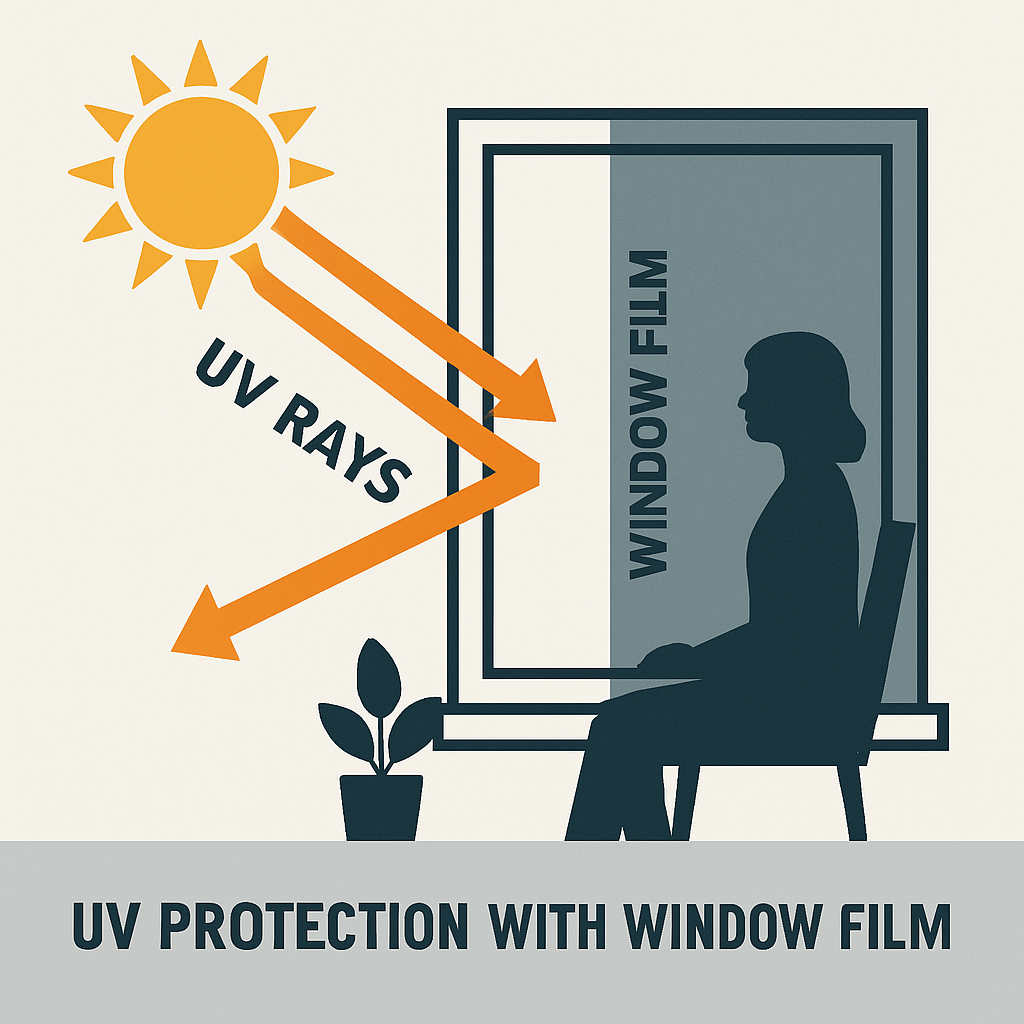
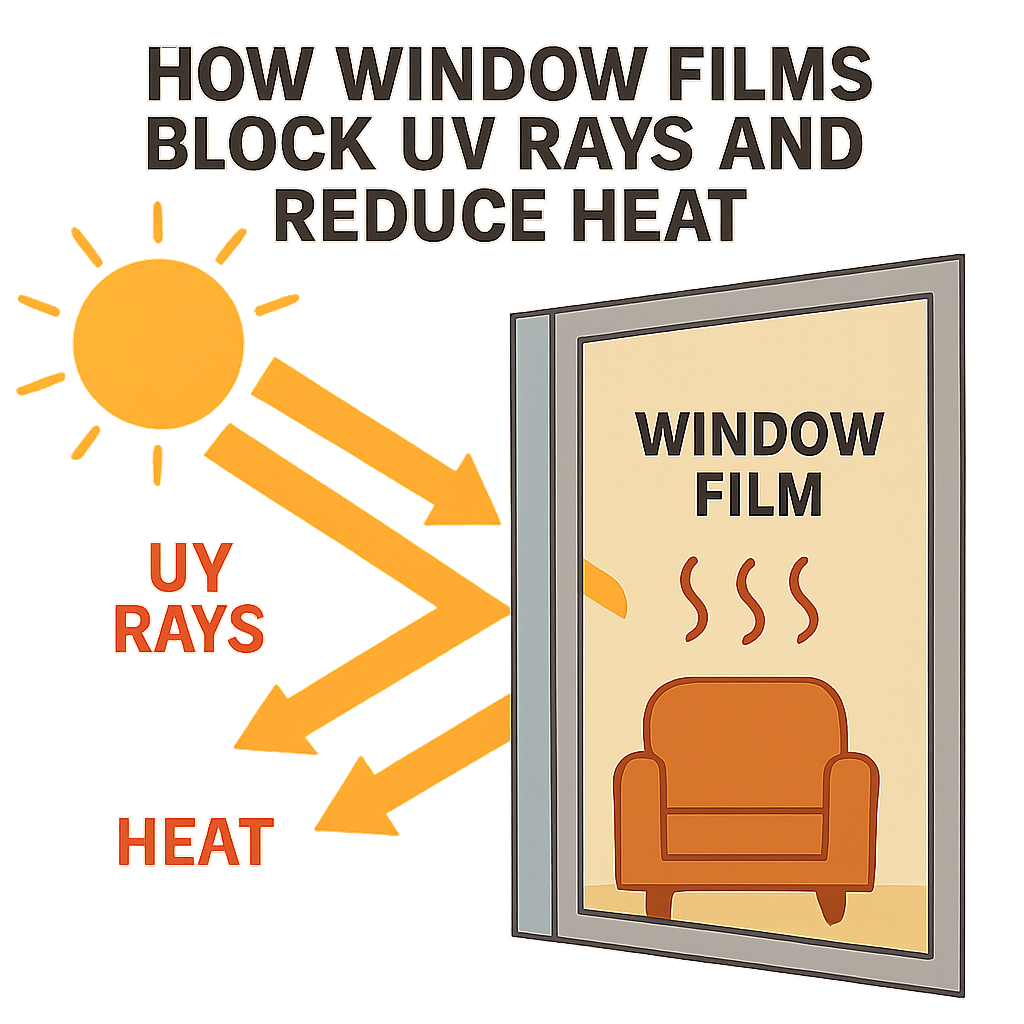
Window films block up to 99% of harmful UV rays, protecting your furniture, flooring, and artwork from fading. This protection helps preserve the value and appearance of your interior spaces.

Energy Efficiency and Cost Savings

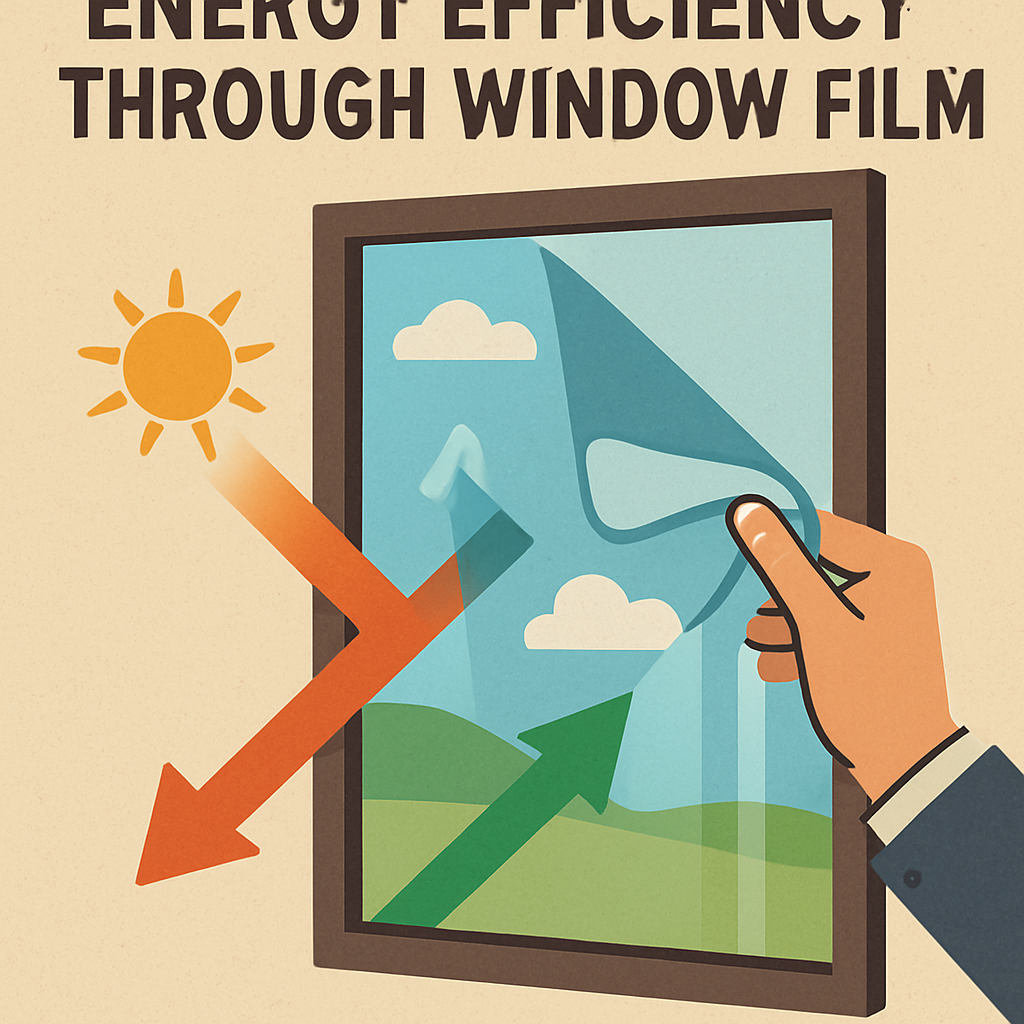
By reducing heat gain, window tinting lowers the need for air conditioning, resulting in energy savings. This not only benefits the environment but also reduces your utility bills.

Increased Safety

In the event of a window breakage, window films help hold shattered glass together, reducing the risk of injury. This feature adds an extra layer of safety for your family.

How to Install Window Tint

Professional installing window tint in a living room

by Yifei Wong

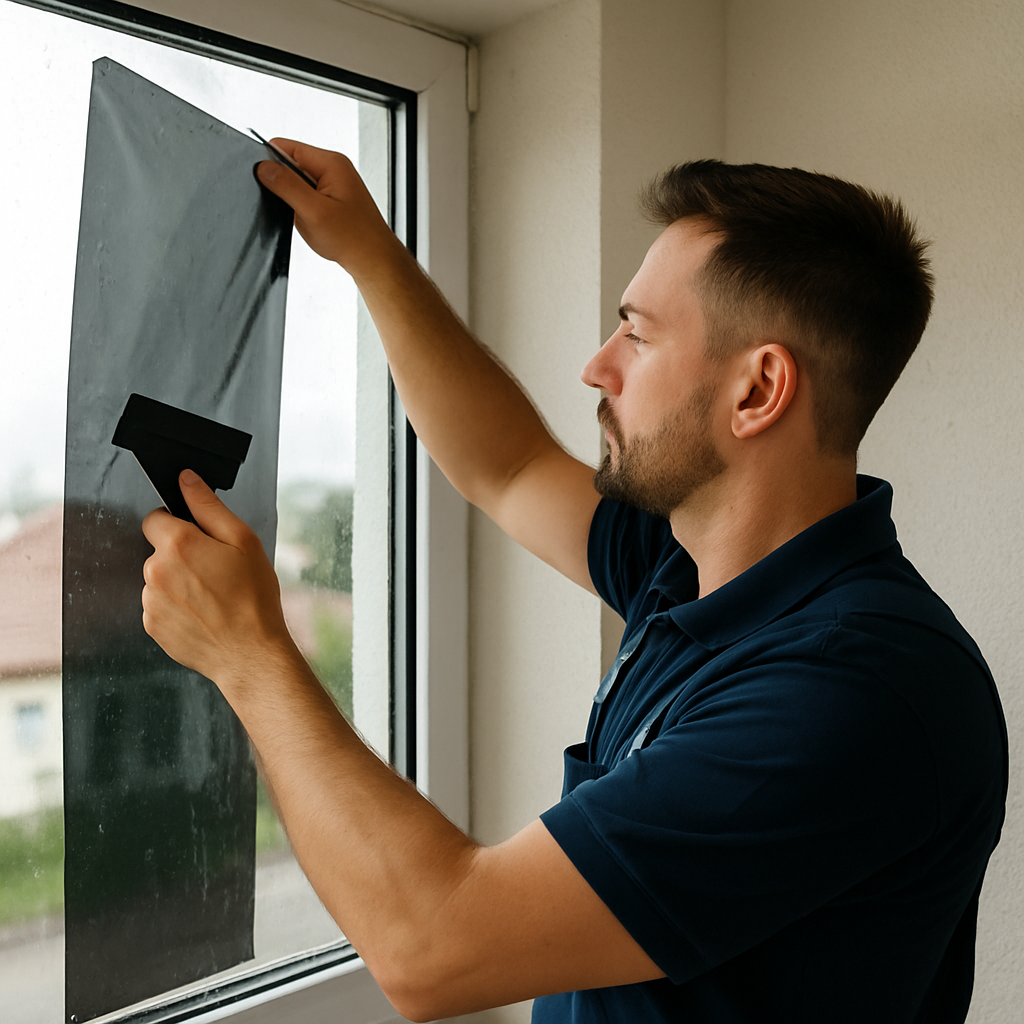
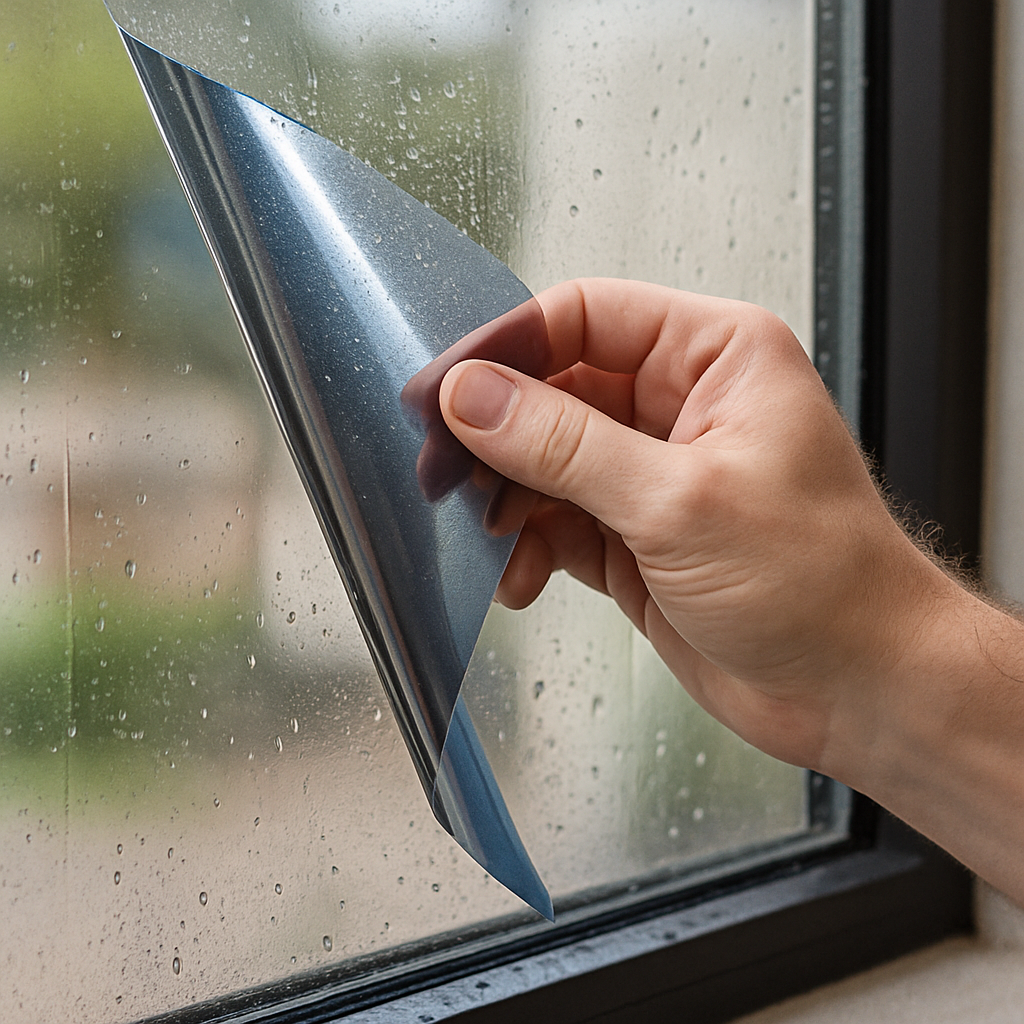
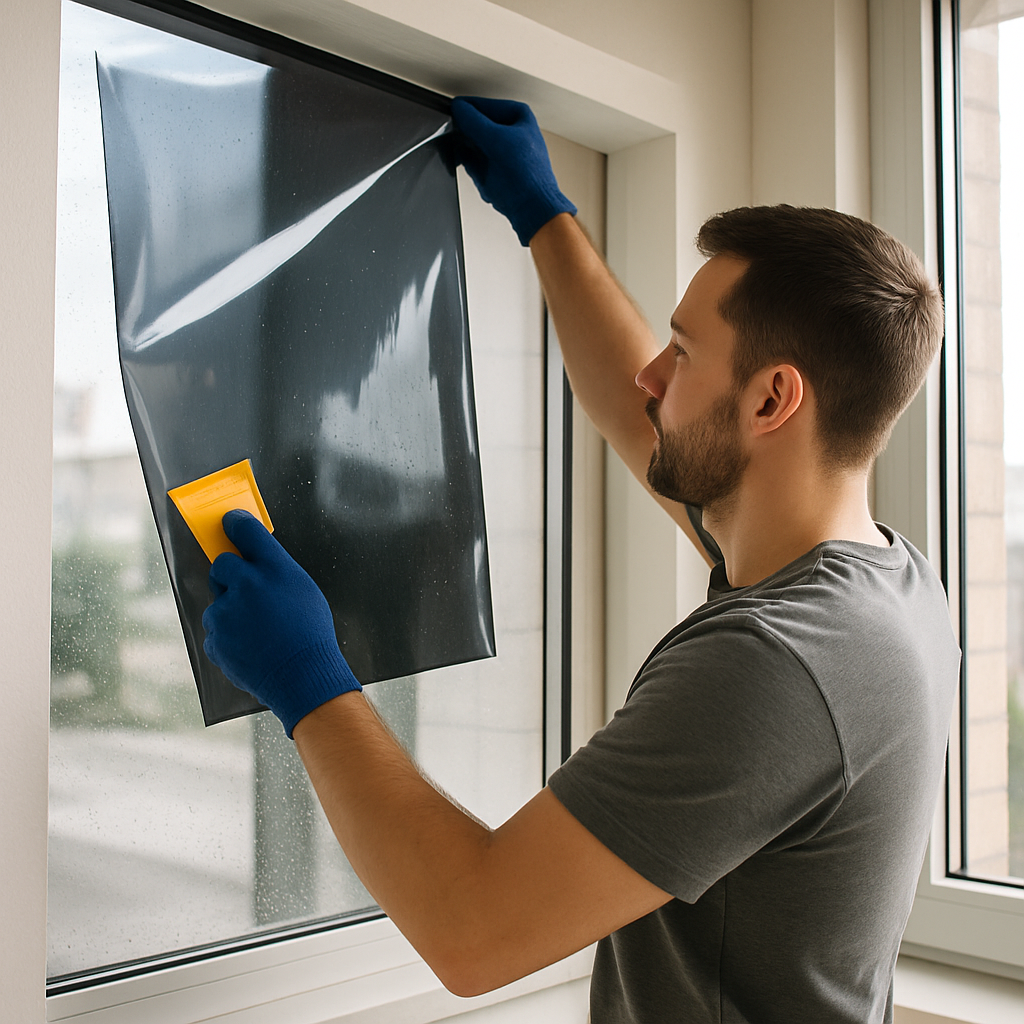
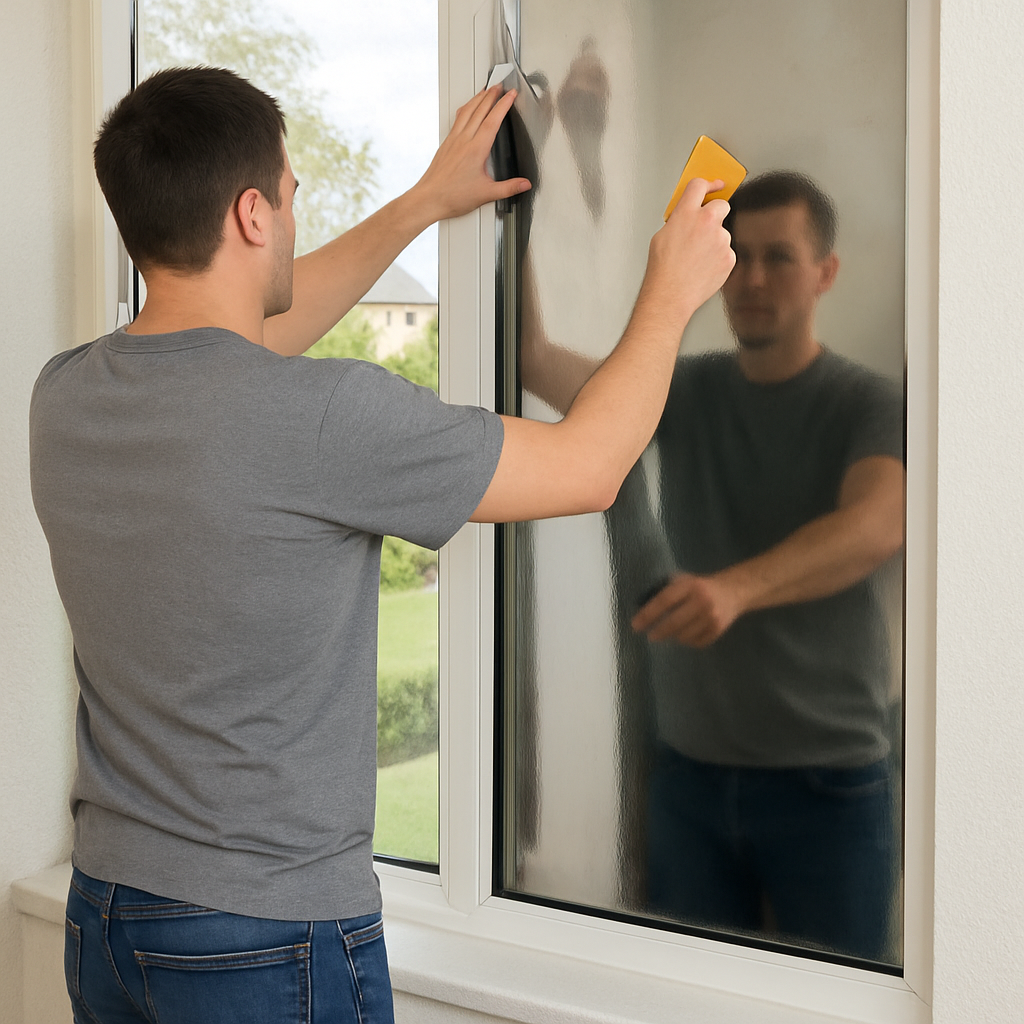
While it is possible to install window tint yourself, hiring a professional ensures a flawless application. Professionals have the experience and tools needed to install the film without bubbles or creases.

DIY Installation Tips

If you choose to install window tint yourself, here are some tips to ensure success:

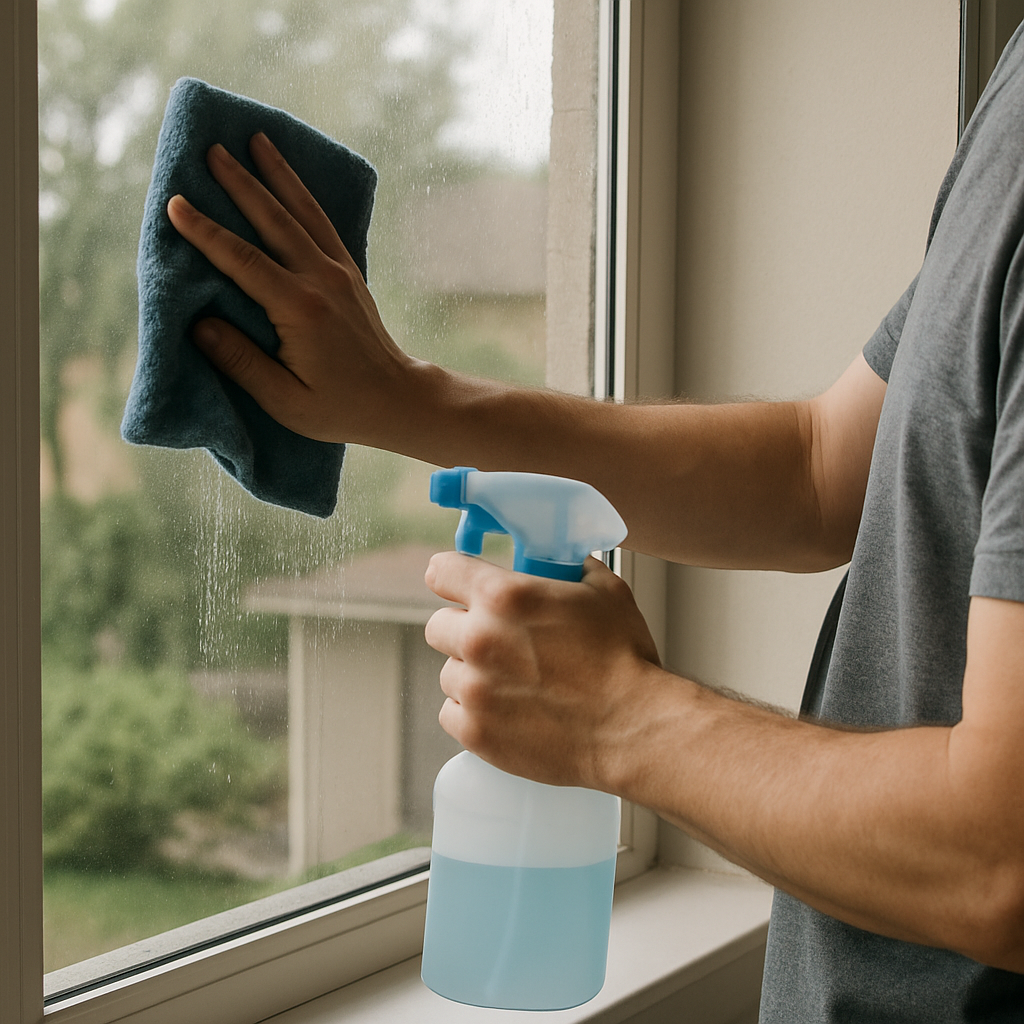
  • Clean the Windows Thoroughly: Dirt and dust can cause bubbles under the film.
  • Measure and Cut Carefully: Accurate measurements and precise cutting prevent gaps and overlaps.
  • Use a Squeegee: This tool helps smooth out the film and remove any air bubbles.

Professional Installation

For those who prefer a hassle-free experience, professional installation is the way to go. Professionals can recommend the best products for your needs and ensure a perfect finish. They also typically offer warranties on their work, providing peace of mind.

Conclusion

Understanding VLT levels in window tinting is crucial for making an informed decision that meets your home’s needs. Whether your focus is on privacy, energy efficiency, or aesthetics, choosing the right window tint percentage can transform your living space. By considering the factors outlined in this article, you can enjoy the numerous benefits of window tinting while enhancing your home’s comfort and style.

Remember, whether you decide to go DIY or hire a professional, ensuring compliance with local regulations is essential for a successful window tinting project. With the right choice, your home will be a more comfortable, energy-efficient, and stylish place to live.

Categories
Window Tint and Film

Quick Wins with Solar Film For Windows

# Quick Wins with Solar Film For Windows

In the quest for enhancing both the aesthetic and energy efficiency of spaces, solar film for windows presents an innovative solution. Whether for residential or commercial use, solar window tint offers a variety of benefits that make it a worthwhile investment. This article dives into how you can achieve quick wins with solar film for windows, exploring its advantages, applications, and tips for choosing the right film for your needs.

Solar film, commonly known as solar window tint, is a thin laminate film that can be installed on the interior or exterior of glass surfaces in automobiles, boats, homes, and buildings. It is designed to reduce heat and glare from the sun, enhance privacy, and protect interiors from harmful UV rays.

Benefits of Solar Film

Solar film offers numerous benefits that make it an attractive solution for homeowners and businesses alike. To better understand the full solar window films benefits, consider the following advantages:

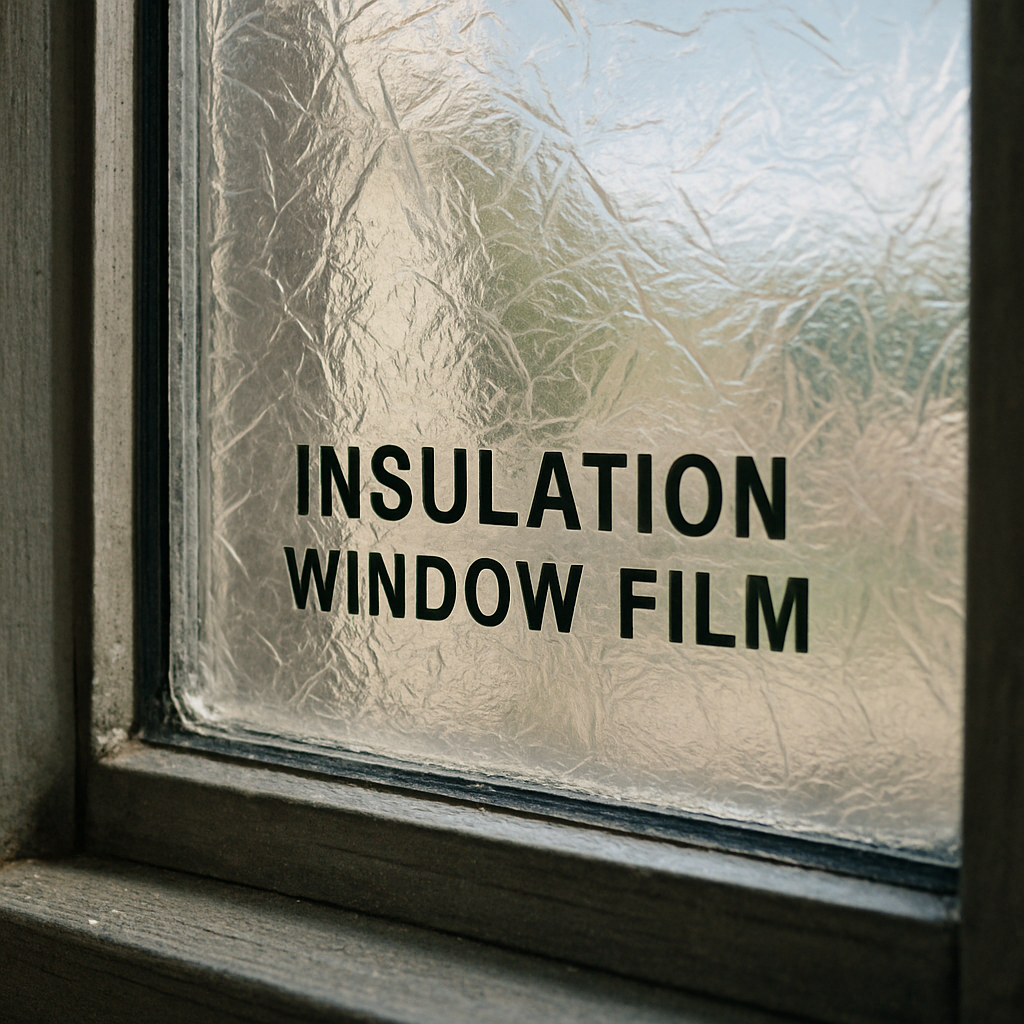
  • Energy Efficiency: Solar film can significantly reduce cooling costs by blocking up to 99% of UV rays and reflecting the sun’s heat away from your space. This means less reliance on air conditioning during hot months, leading to energy savings. According to the U.S. Department of Energy, energy-efficient window attachments can reduce heat gain and improve overall building performance.
  • Enhanced Comfort: By reducing glare and heat, solar film improves the comfort level inside buildings, making it easier to maintain a consistent and pleasant temperature.
  • Aesthetic Appeal: Available in various shades and finishes, solar film can enhance the appearance of windows while complementing the overall design of your space.
  • Increased Privacy: Certain types of solar film can increase privacy by making it harder for people outside to see in, without obstructing the view from inside.
  • Protection from UV Rays: Solar film protects furniture, flooring, and artwork from fading and damage caused by UV exposure, extending the lifespan of your interior assets. The Environmental Protection Agency (EPA) also highlights the importance of reducing UV exposure to protect interiors and occupants alike.

Applications of Solar Window Tint

Solar window tint is incredibly versatile and can be used in a variety of settings:

Residential Use

In homes, solar film is an excellent choice for enhancing energy efficiency and comfort. It is particularly beneficial for rooms with large windows that receive direct sunlight, such as living rooms and bedrooms. By reducing glare, it also enhances the viewing experience in spaces where screens, like TVs and computers, are used.

Commercial Use

Commercial building with solar window tint

In commercial spaces, solar window tint not only helps in cutting down energy costs but also contributes to a comfortable working environment. Offices, retail spaces, and even restaurants can benefit from the privacy and reduced glare, creating a more inviting atmosphere for both employees and customers.

Specialty Applications

Beyond residential and commercial settings, solar film is also used in automobiles and boats, providing the same benefits of heat reduction, UV protection, and enhanced privacy.

Choosing the Right Solar Film

When selecting solar film for your windows, consider the following factors to ensure you make an informed decision:

Type of Film

There are different types of solar films available, each designed for specific purposes. Some common types include:

  • Reflective Films: These films offer the highest level of heat reduction and are ideal for spaces that receive a lot of direct sunlight.
  • Neutral Films: These provide a subtle tint that reduces glare and heat without significantly altering the appearance of windows.
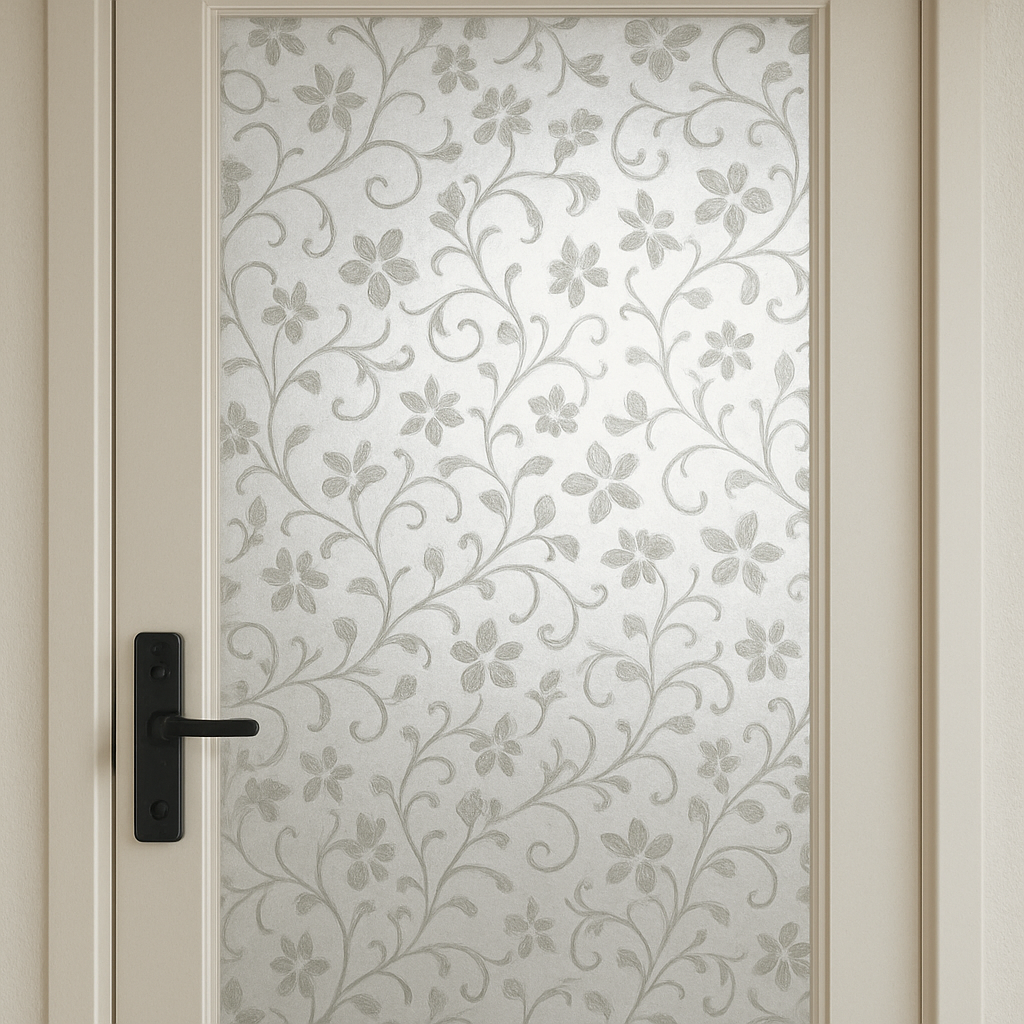
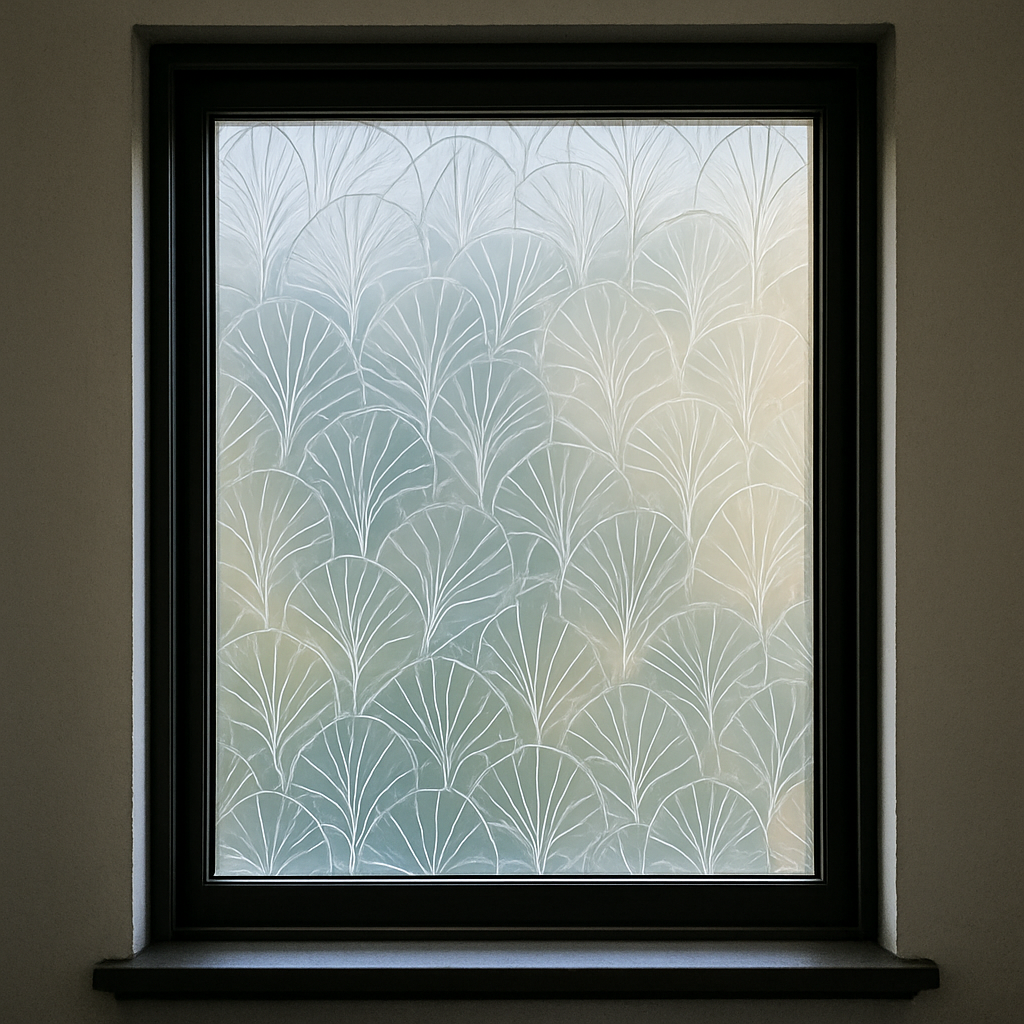
  • Decorative Films: These films add a touch of style and privacy while still offering moderate sun control.

Performance Ratings

Solar films are rated based on their performance in terms of heat reduction, UV protection, and glare reduction. Look for films that offer high performance in these areas to ensure maximum benefits.

Professional Installation

While some solar films can be installed as a DIY project, professional installation is recommended for the best results, especially for large or complex windows. A professional installer will ensure that the film is applied smoothly without bubbles or creases, providing a polished finish.

Tips for Maximizing Benefits

To get the most out of your solar film, consider these tips:

  • Select the Right Shade: Choose a shade that complements your interior design while providing the level of sun control you need. Lighter shades offer more natural light, while darker shades offer greater privacy and heat reduction.
  • Regular Maintenance: Keep your solar film clean by using a soft cloth and mild cleaning solution. Avoid abrasive materials that can scratch the film.
  • Consider Layering: For spaces that require additional insulation or privacy, consider layering solar film with other window treatments like blinds or curtains.

Conclusion

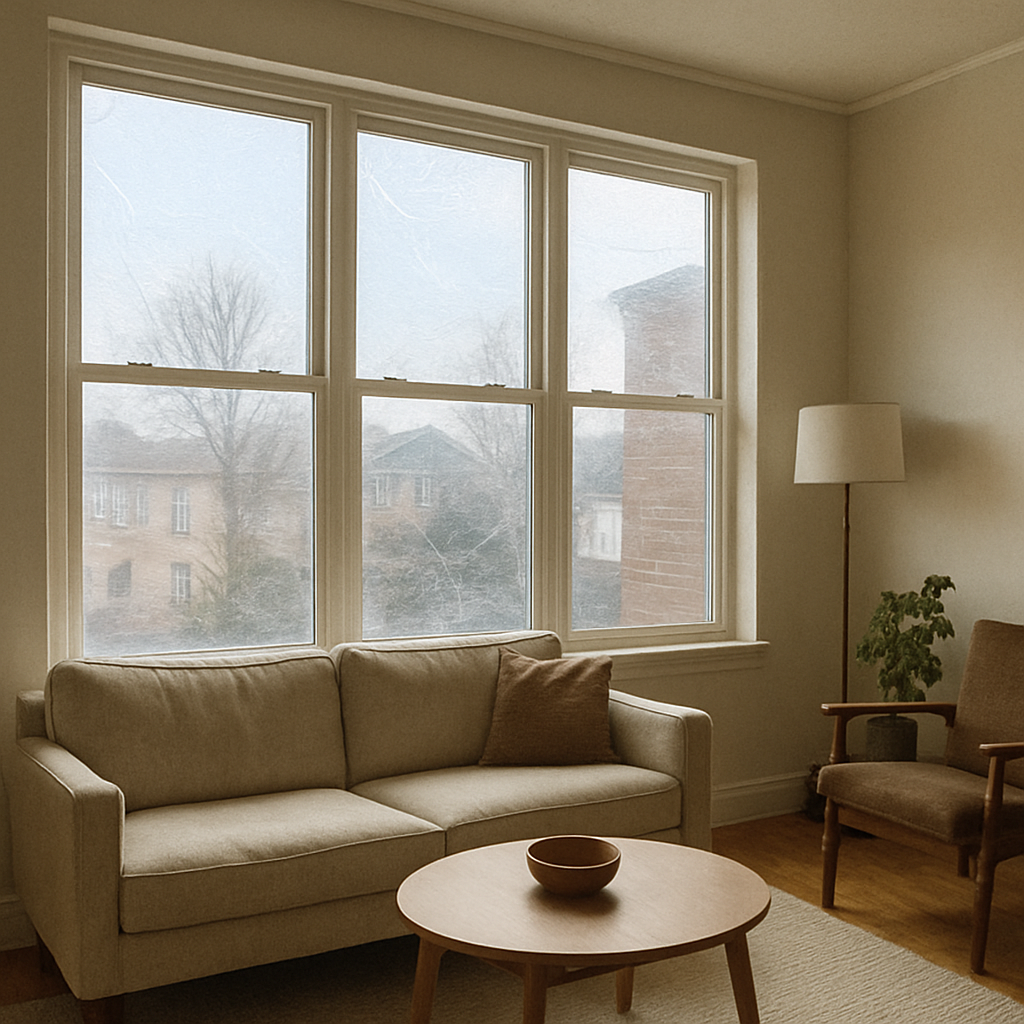
Room with large windows featuring solar film

by Marius Dumitrascu (https://unsplash.com/@mariusvd)

Solar film for windows is an effective and stylish solution for improving energy efficiency, comfort, and aesthetics in both residential and commercial spaces. By selecting the right type of solar window tint and ensuring proper installation, you can enjoy quick wins in terms of cost savings and enhanced living or working environments. Whether you’re an interior designer seeking eco-friendly solutions or a homeowner looking to upgrade your space, solar film offers a versatile and valuable option.

Investing in solar film is not just about short-term benefits; it’s a long-term commitment to energy efficiency and interior protection. As you explore options, remember to consult with experts to ensure that your selection meets your specific needs and enhances the beauty of your space.