Categories
Window Tint and Film

All You Need to Know About Front Door Privacy Film

Front doors serve as the gateway to our homes, welcoming guests while providing a glimpse into our personal space. However, privacy can be a concern, especially when your front door features glass panels. This is where front door privacy film comes into play, offering a stylish and functional solution.

In this article, we’ll explore everything you need to know about front door privacy film, from its benefits to installation tips and design options. Whether you’re an interior designer or a homeowner looking to enhance your living space, this guide is for you.

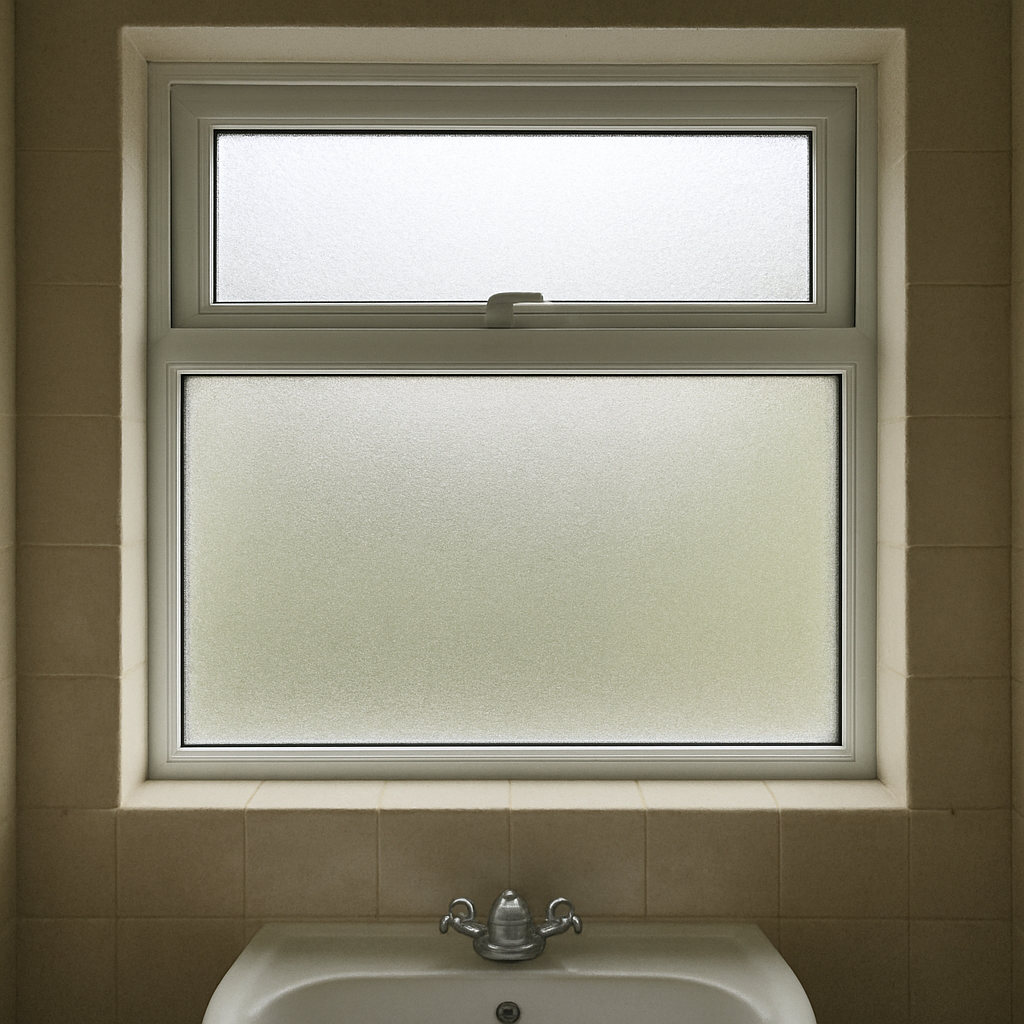
Front door privacy film is a thin, adhesive layer applied to glass surfaces. It transforms transparent glass into a frosted or decorative surface, offering privacy while allowing natural light to filter through. Privacy window film is a versatile and cost-effective way to enhance both the functionality and aesthetics of your front door.

Types of Privacy Film

Frosted Glass Film

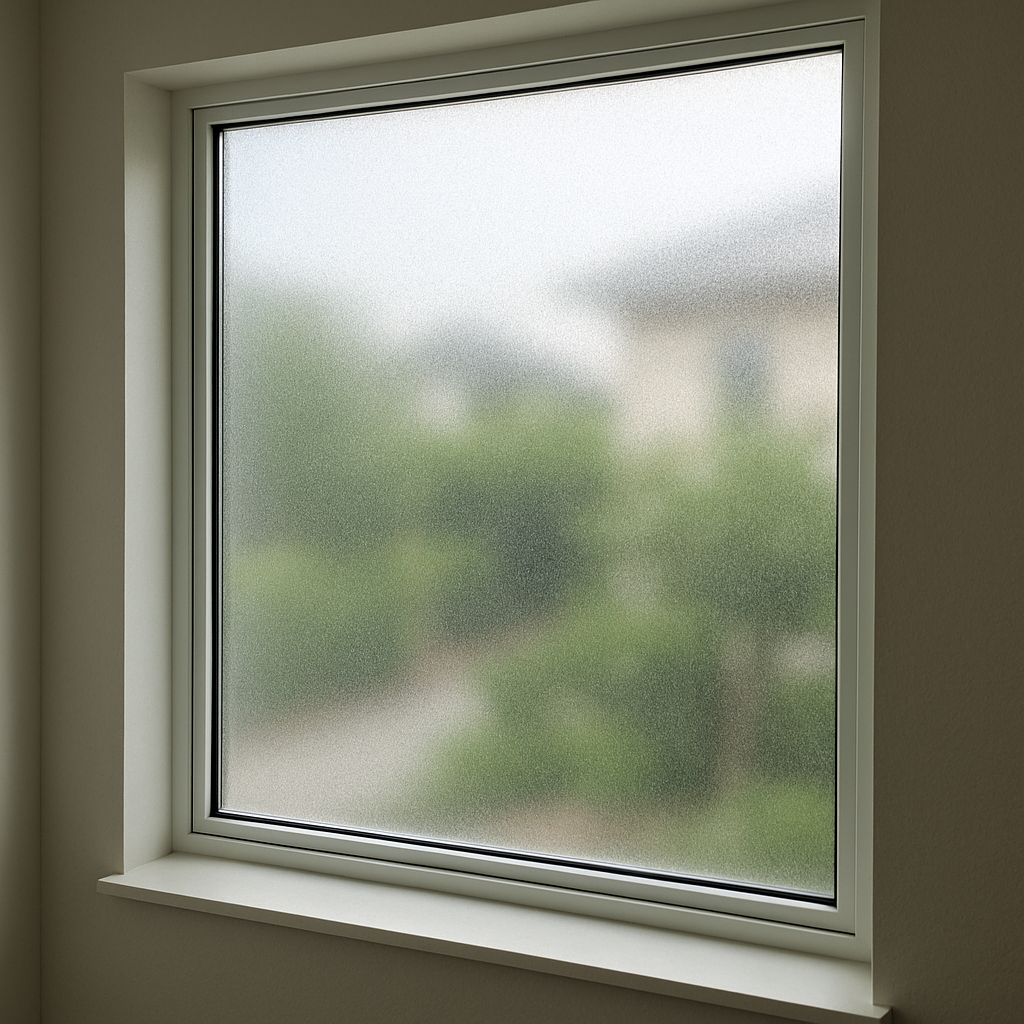
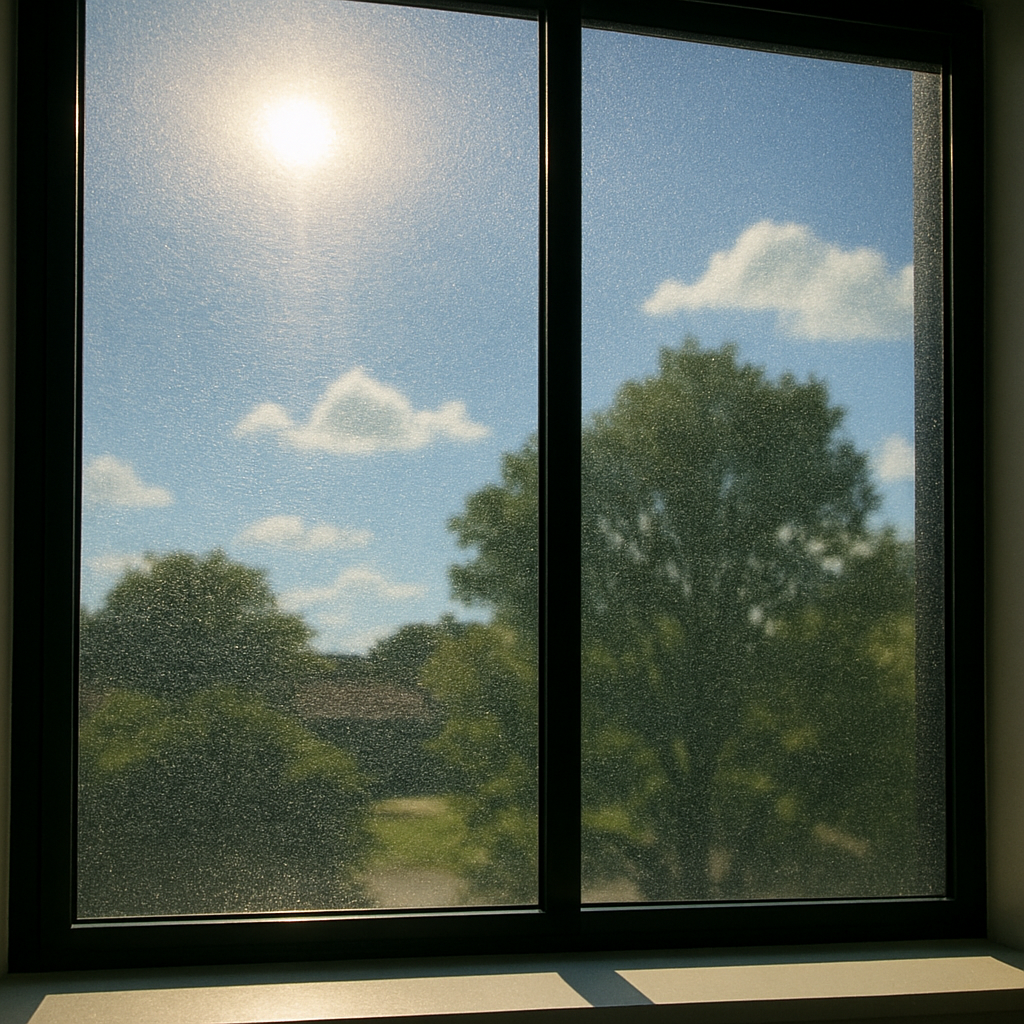
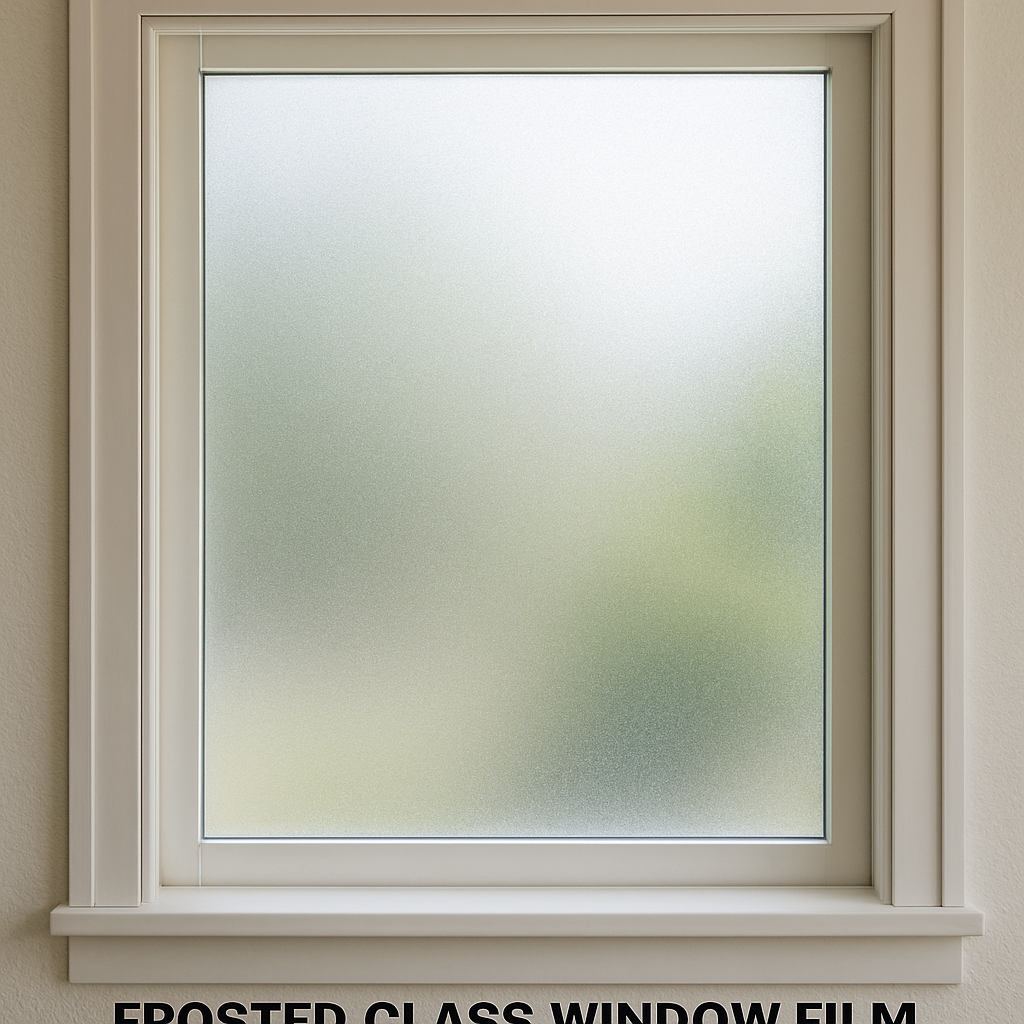
Frosted glass film is a popular choice for front doors. It mimics the appearance of frosted glass, providing a classic, elegant look. This type of film obscures visibility from both sides, offering maximum privacy.

Decorative Window Film

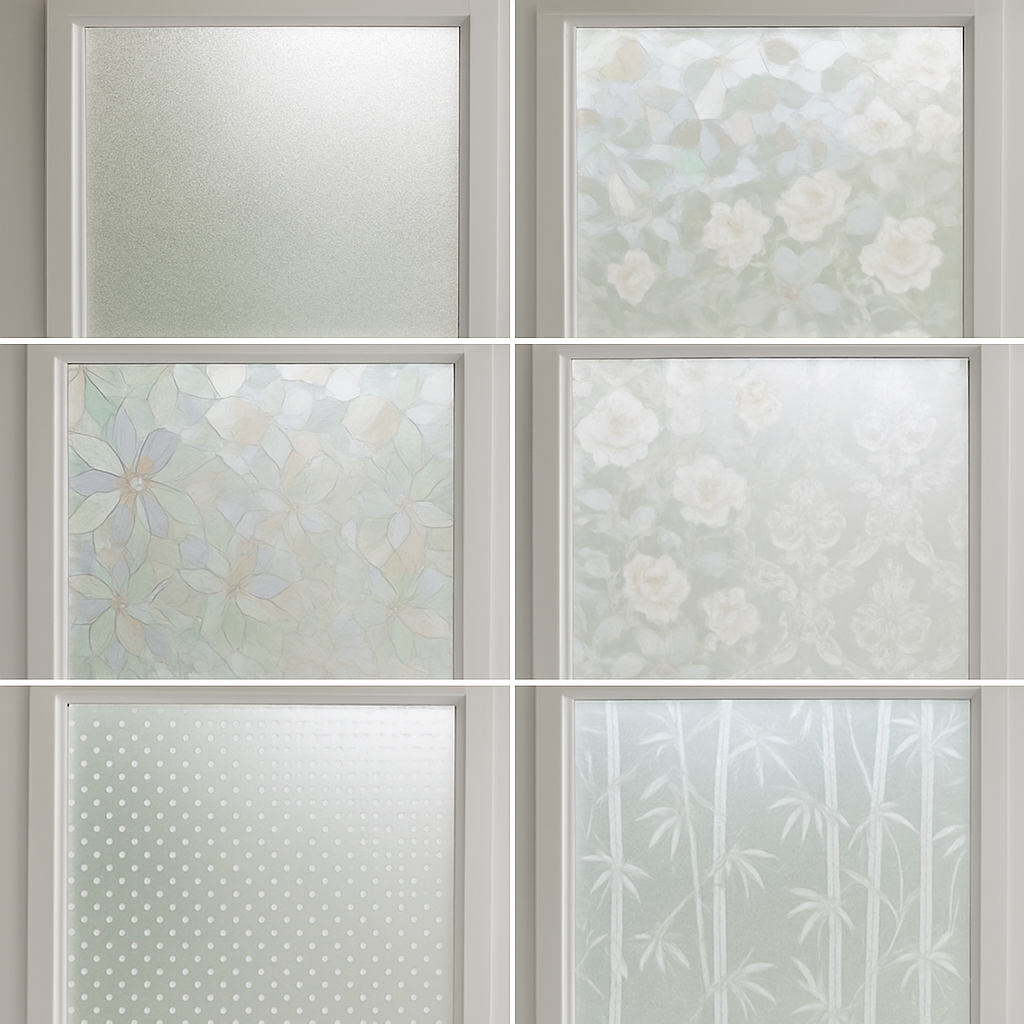
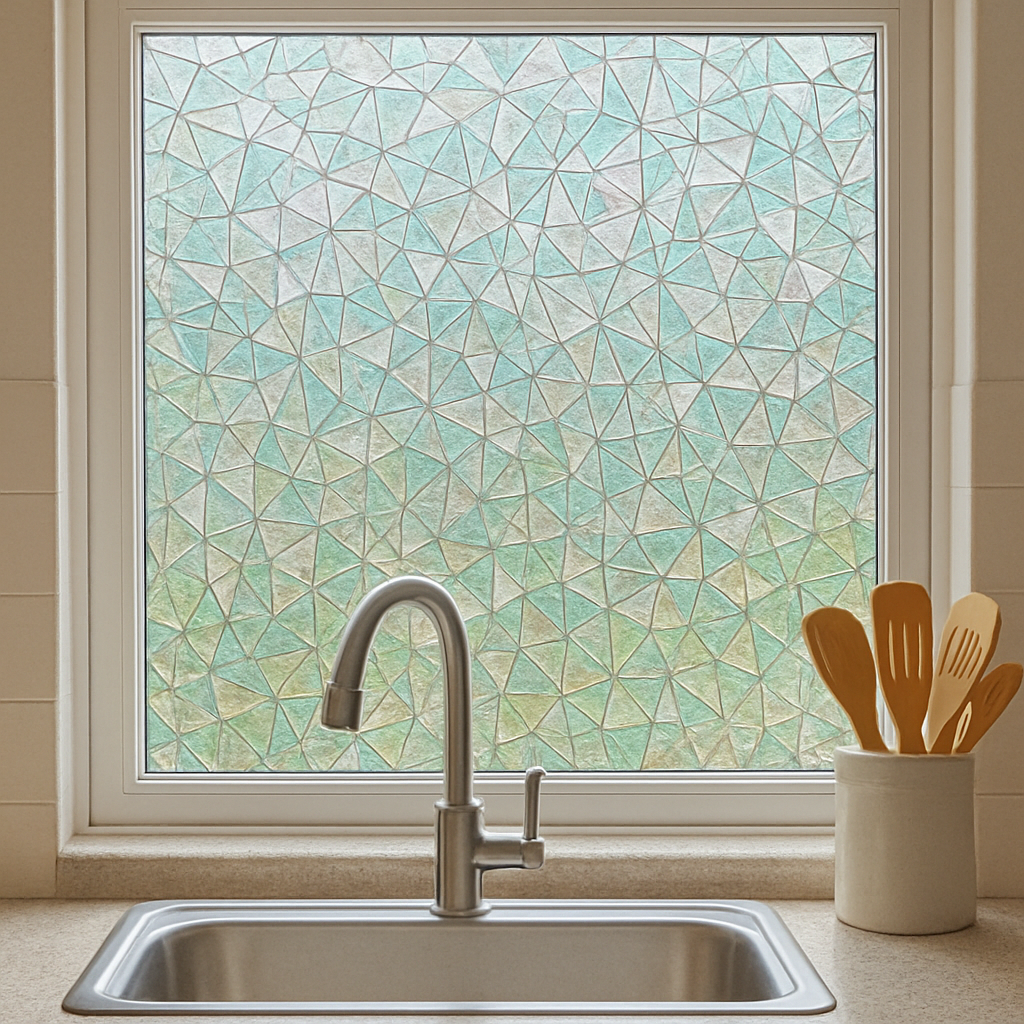
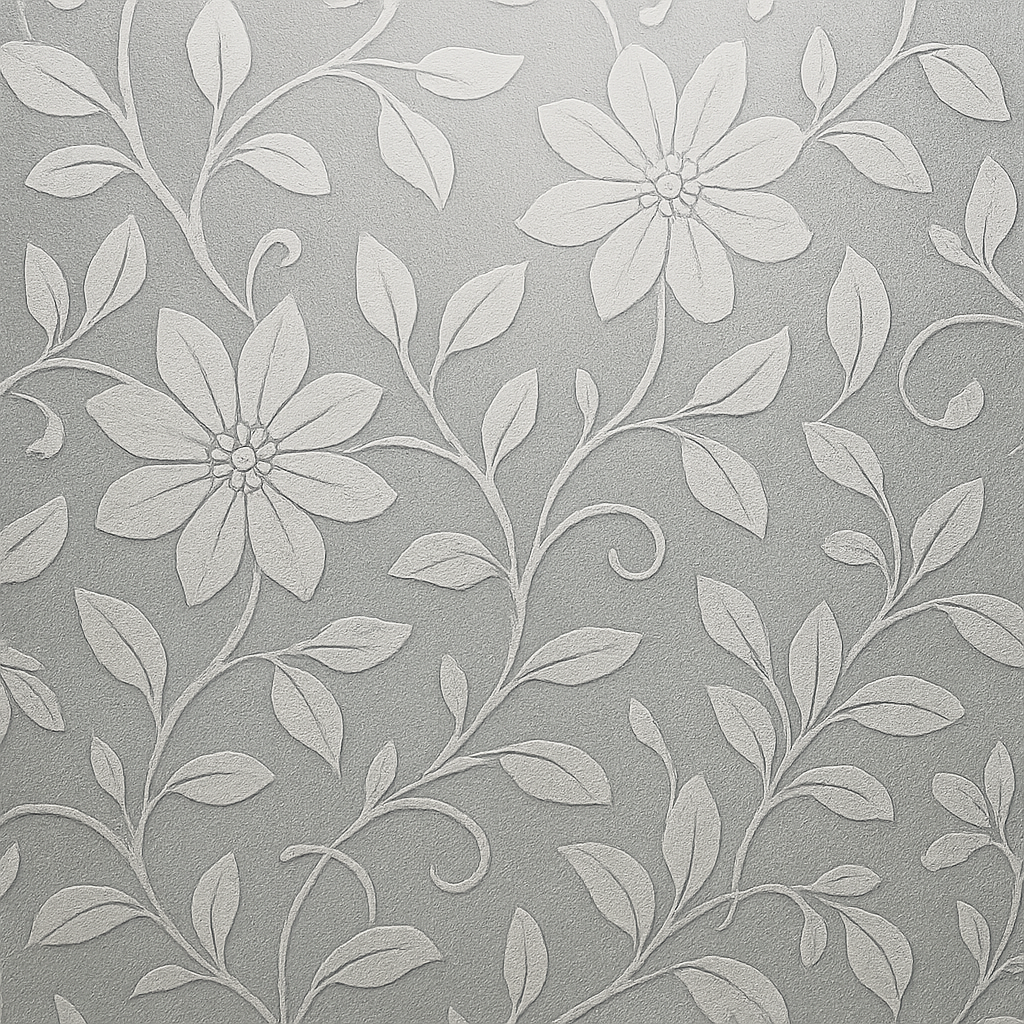
Decorative window films come in various patterns and designs, from geometric shapes to floral motifs. These films add a touch of personality and style to your front door while maintaining privacy.

One-Way Mirror Film

One-way mirror film offers privacy during the day by reflecting light on the outside while allowing you to see outside from within. It’s ideal for those who want to maintain a view while ensuring privacy.

Benefits of Front Door Privacy Film

Enhanced Privacy

The primary benefit of front door privacy film is, unsurprisingly, privacy. It prevents unwanted glances into your home, giving you peace of mind without the need for heavy curtains or blinds.

Aesthetic Appeal

Privacy films come in a range of designs and finishes, allowing you to customize the appearance of your front door. Whether you prefer a modern, minimalist look or something more ornate, there’s a film to match your style.

UV Protection

Many privacy films offer UV protection, blocking harmful rays that can fade furniture, flooring, and other interior elements. According to the U.S. Environmental Protection Agency, limiting UV exposure helps protect both interiors and skin health. This helps preserve your home’s interior while protecting your skin.

Energy Efficiency

By reducing the amount of solar heat entering your home, privacy films can contribute to energy efficiency. The U.S. Department of Energy highlights how window upgrades and treatments can improve home efficiency. This means lower cooling costs during hot months, making them an eco-friendly choice.

Energy-efficient home with window films

Cost-Effective Solution

Compared to replacing glass panels or installing new doors, privacy films are a cost-effective way to upgrade your home’s look and functionality. They are easy to install and can be removed without damaging the glass.

Installation Tips

Installing front door privacy film can be a straightforward DIY project, but attention to detail is crucial for a seamless finish.

Measure and Cut

Before purchasing, measure your glass panels to ensure you buy enough film. When cutting the film, add a slight margin to trim down for a precise fit after application.

Clean the Glass

Thoroughly clean the glass surface to remove any dirt, dust, or grease. A clean surface ensures the film adheres properly and prevents bubbles.

Apply the Film

Peel away the backing from the film and spray the adhesive side with a mixture of water and a few drops of dish soap. This allows you to reposition the film during application.

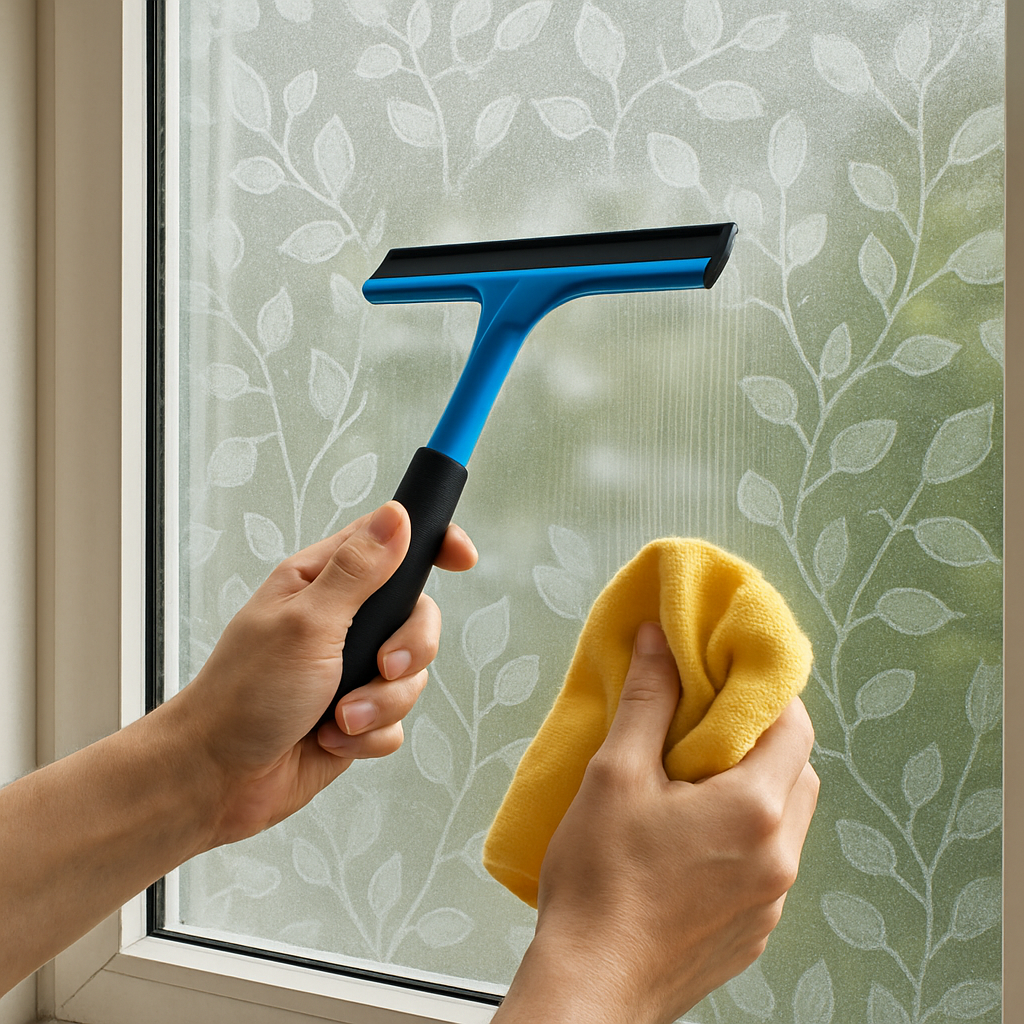
Use a squeegee to smooth out the film, starting from the center and working your way to the edges. This helps remove air bubbles and ensures a tight fit.

Trim Excess Film

Once the film is applied, use a utility knife to carefully trim any excess film along the edges of the glass. Be cautious not to scratch the glass.

Design Ideas for Front Door Privacy Film

Modern Minimalism

Opt for a frosted film with clean lines or geometric patterns for a sleek, modern look. This style complements contemporary home designs and adds a touch of sophistication.

Classic Elegance

For a timeless aesthetic, choose decorative films with intricate patterns or floral designs. These films add character and charm to traditional home styles.

Eclectic and Bold

If you want to make a statement, go for bold patterns and vibrant colors. Decorative films with unique designs can serve as an eye-catching focal point for your front entrance.

Decorative window film design

by Sinziana Mihalache (https://unsplash.com/@sinzianamihalache)

Maintenance and Care

Maintaining your privacy film is simple. Regularly clean the film with a mild soap solution and a soft cloth. Avoid abrasive cleaners or materials that could scratch the surface.

If you notice any peeling or bubbles, smooth them out with a squeegee. Proper care ensures the film remains in good condition for years.

Conclusion

Front door privacy film is an excellent addition to any home, offering privacy, style, and practicality. Whether you’re looking to enhance your home’s curb appeal or create a more private and energy-efficient space, privacy window film is a versatile solution.

By understanding the types, benefits, and installation process, you can confidently choose the right film for your needs. Transform your front door into a stylish and secure entrance with the perfect privacy film today.

Categories
Window Tint and Film

Can You See Through Blackout Window Film During the Day

# Can You See Through Blackout Window Film During the Day

When considering window tinting for your home, one of the most popular options is blackout window film. But a common question that arises is, “Can you see through blackout window film during the day?” This article aims to provide you with a comprehensive understanding of blackout window film, its benefits, and how it can enhance your living space.

Blackout window film is a type of privacy window film designed to block out light completely. As the name suggests, it creates a blackout effect, preventing visibility both from inside and outside. This type of film is perfect for rooms where you want complete privacy and minimal light, such as bedrooms or home theaters.

The Functionality of Blackout Window Film

Blackout window film functions by using a dense, opaque material that effectively blocks light from penetrating the glass. This not only ensures privacy but also significantly reduces glare and UV rays, protecting your interiors from sun damage and helping maintain a comfortable indoor temperature. According to the U.S. Department of Energy, window films can improve comfort and reduce heat gain in homes.

Can You See Through It?

The straightforward answer is no; you cannot see through blackout window film during the day or night. Unlike other types of window films that allow some degree of visibility, blackout films are designed to be completely opaque. This feature makes them ideal for areas where privacy is a top priority.

Benefits of Blackout Window Film

window_film_installation

Enhanced Privacy

The primary benefit of blackout window film is privacy. It prevents anyone from seeing inside your home, offering a sense of security and peace of mind. This is particularly beneficial for homes located in busy neighborhoods or close to pedestrian pathways.

Improved Energy Efficiency

Blackout window film can also contribute to energy efficiency. By blocking sunlight, it helps keep indoor spaces cooler, reducing the need for air conditioning during hot months. This can lead to significant energy savings and lower utility bills.

Protection from UV Rays

UV rays can cause fading and damage to your furniture, flooring, and artwork. Blackout window film blocks these harmful rays, preserving the quality and appearance of your interior decor over time. The U.S. Environmental Protection Agency explains how UV exposure contributes to material deterioration and fading indoors.

Blackout Window Film in Interior Design

For interior designers, blackout window film offers a versatile solution that complements various design aesthetics. Its ability to provide privacy without compromising style makes it an attractive option for modern interiors.

Aesthetic Versatility

Blackout window film is available in various colors and finishes, allowing you to choose a style that matches your interior design. Whether you prefer a sleek, modern look or a more traditional aesthetic, there’s a blackout film option to suit your taste.

Creating the Perfect Ambience

Blackout window film is ideal for creating the perfect ambiance in specific rooms. For instance, in a home theater, the film can enhance the viewing experience by eliminating external light sources. In a bedroom, it can help create a restful environment conducive to sleep.

Installation Considerations

window_film_application_process

by hellobeekay (https://unsplash.com/@hellobeekay)

Professional vs. DIY Installation

While some homeowners may opt for DIY installation, hiring a professional ensures a precise and flawless application. Professional installers have the expertise to handle the film without causing bubbles or creases, providing a smooth and seamless finish. If you’re considering expert help, read this guide on professional window film installation.

Maintenance and Durability

Blackout window film is low maintenance and highly durable. It can last for many years without needing replacement, making it a cost-effective investment for your home. Regular cleaning with mild soap and water is usually sufficient to keep it looking new.

Conclusion

In summary, blackout window film offers numerous benefits for homeowners seeking privacy, energy efficiency, and protection from UV rays. While you cannot see through it during the day or night, its opaque nature makes it an excellent choice for enhancing privacy and comfort in your living spaces. Whether you’re an interior designer looking for stylish solutions or a homeowner seeking practical improvements, blackout window film is a versatile option that delivers on both aesthetics and functionality.

By understanding the unique advantages of blackout window film, you can make informed decisions that enhance your home’s appeal and efficiency. Consider consulting with a professional installer to explore the best options for your specific needs and ensure a perfect application that elevates your home’s design.

Categories
Window Tint and Film

Complete Breakdown of Heat Reducing Window Film

As temperatures rise and energy bills soar, homeowners and interior designers alike are searching for effective ways to maintain comfort and efficiency indoors. One such innovative solution is the installation of heat reducing window film. This comprehensive guide will explore the benefits, types, and installation process of heat reducing window film, providing you with a clear understanding of why it might be the perfect addition to your home improvement plan.

Heat reducing window film, also known as solar window film or insulating window film, is a thin, multi-layered polyester or vinyl material applied to the interior surface of windows. Its primary purpose is to minimize the amount of infrared, visible light, and ultraviolet (UV) rays that enter a space, effectively reducing heat and glare while enhancing privacy and energy efficiency. To better understand the solar window films benefits, it’s important to explore how these advanced films function in real-world applications.

Benefits of Heat Reducing Window Film

Energy Efficiency

One of the most significant advantages of heat reducing window film is its ability to improve energy efficiency. By blocking a substantial portion of the sun’s heat, these films reduce the need for air conditioning, leading to lower energy consumption and reduced utility bills. According to the U.S. Department of Energy, window films can block up to 77% of solar heat, making them a cost-effective solution for energy savings.

UV Protection

Another critical benefit of solar window film is its capacity to block up to 99% of harmful UV rays. Prolonged exposure to UV radiation can cause fading of furniture, flooring, and artwork, as well as increase the risk of skin cancer. The Environmental Protection Agency (EPA) highlights the dangers of UV exposure and the importance of protective measures. By installing window film, you can protect your interiors and loved ones from these harmful effects.

Enhanced Comfort and Glare Reduction

Living room with minimal glare due to window film

Heat reducing window film helps maintain a consistent indoor temperature, eliminating hot spots and improving overall comfort. Additionally, it reduces glare on screens and monitors, enhancing visibility and reducing eye strain, making it an ideal solution for home offices and living spaces.

Increased Privacy and Security

Certain types of window films also offer increased privacy by limiting the view into your home from the outside. Additionally, they can provide an added layer of security by holding shattered glass together, preventing break-ins and reducing the risk of injury from broken glass.

Types of Heat Reducing Window Film

There are several types of heat reducing window films available, each with its unique features and benefits. Understanding the differences can help you choose the right film for your specific needs.

Dyed Window Film

Dyed window film is an affordable option that absorbs solar heat and reduces glare. It is made by applying a layer of dye between an adhesive layer and a protective layer. While it offers excellent glare reduction and privacy, it is less effective at blocking heat compared to other films.

Metalized Window Film

Metalized window film contains tiny metallic particles that reflect heat and UV rays. It is more durable and effective at heat reduction than dyed films but may interfere with electronic signals and have a shiny, reflective appearance that some homeowners find less appealing.

Ceramic Window Film

Ceramic window film applied on a modern home window

by Marius Girard

Ceramic window film is a high-performance option that uses advanced nanotechnology to block heat and UV rays without affecting visibility or electronic signals. It offers superior heat reduction, durability, and clarity, making it an excellent choice for homeowners seeking the best in performance and aesthetics.

Hybrid Window Film

Hybrid window film combines the benefits of both dyed and metalized films, offering a balance of heat reduction, glare reduction, and cost-effectiveness. It is a versatile choice for those looking for a middle-ground solution.

Installation Process

Installing heat reducing window film is a straightforward process, but it requires precision to ensure optimal performance and longevity. Here’s a step-by-step guide to help you understand the installation process.

Step 1: Measure and Cut

Begin by measuring the dimensions of the windows you intend to cover. Cut the window film to size, leaving an extra inch on each side to ensure complete coverage.

Step 2: Clean the Windows

Thoroughly clean the window surface using a glass cleaner and a lint-free cloth. Remove any dirt, dust, or debris, as these can interfere with the film’s adhesive and result in bubbles or peeling.

Step 3: Apply the Film

Peel off the backing of the film and spray the adhesive side with a mixture of water and a few drops of dish soap. This solution helps prevent the film from sticking prematurely and allows for easier adjustments.

Carefully position the film on the window, starting from the top and working your way down. Use a squeegee to smooth out any bubbles and ensure a tight bond between the film and the glass.

Step 4: Trim and Finish

Once the film is in place, use a sharp utility knife to trim the excess film along the edges for a neat finish. Finally, use the squeegee to remove any remaining bubbles and excess water.

Maintenance and Care

To prolong the life and performance of your heat reducing window film, follow these maintenance tips:

  • Avoid cleaning the film for at least 30 days after installation to allow it to fully cure.
  • Use a soft cloth or sponge and a mild soap solution to clean the film. Avoid abrasive cleaners or tools that could damage the surface.
  • Regularly inspect the edges of the film for signs of peeling or damage and address any issues promptly to prevent further deterioration.

Conclusion

Heat reducing window film is an invaluable addition to any home, offering a myriad of benefits, from improved energy efficiency to enhanced comfort and privacy. By understanding the different types of films and the installation process, you can make an informed decision that aligns with your specific needs and preferences.

Whether you’re a homeowner seeking to lower energy costs or an interior designer looking to enhance your clients’ spaces, heat reducing window film is a practical, stylish, and eco-friendly solution that delivers on all fronts.

Categories
Window Tint and Film

Understanding VLT Levels in Window Tinting for Homes

# Understanding VLT Levels in Window Tinting for Homes

When it comes to enhancing your home’s comfort and energy efficiency, window tinting is a popular option. Not only does it offer an added layer of privacy and protection from harmful UV rays, but it also contributes to energy savings. A key factor in choosing the right window tint is understanding the Darkness levels and VLT% options. In this article, we’ll explore what VLT levels mean, why they matter, and how to select the best window tint percentage for your home.

What Are VLT Levels in Window Tinting?

Visible Light Transmission (VLT) refers to the amount of visible light that passes through a window film. It is expressed as a percentage. For example, a window film with a VLT of 20% will allow 20% of visible light to pass through, blocking the remaining 80%. The lower the VLT percentage, the darker the tint.

Importance of VLT Levels

Understanding VLT levels is essential for several reasons:

  1. Privacy: Lower VLT levels offer more privacy by reducing visibility from the outside.
  2. Glare Reduction: Tinting with lower VLT levels can significantly decrease glare from the sun, enhancing comfort.
  3. Energy Efficiency: By blocking more light, window films with lower VLT levels can help reduce heat gain, leading to lower cooling costs.
  4. Aesthetics: Different VLT levels can change the appearance of your windows, impacting the overall look of your home.

Choosing the Right Window Tint Percentage

Selecting the appropriate window tint percentage depends on several factors, including your privacy needs, energy efficiency goals, and local regulations.

Privacy Needs

If privacy is your top priority, consider window tints with a lower VLT percentage. A film with a VLT of 15% to 25% is often recommended for those looking to enhance privacy while still allowing some natural light in.

Energy Efficiency Goals

For homeowners focused on reducing energy costs, selecting a window tint with a lower VLT can help. Films with a VLT of 25% to 35% are effective in blocking a significant amount of heat, thus reducing reliance on air conditioning. According to the U.S. Department of Energy, window films can significantly reduce solar heat gain and improve indoor comfort.

Local Window Tint Regulations

Checking window tint regulations in a home office

Before installing window tint, it’s crucial to check local regulations. Some areas have laws dictating the minimum VLT levels allowed for residential properties. These regulations ensure that homes receive adequate natural light while maintaining safety standards. You can review glazing and light transmission standards through resources such as the National Research Council Canada building codes.

Aesthetic Considerations

The appearance of your home can be significantly influenced by the window tint you choose. A lower VLT will give a sleek, modern look, while a higher VLT provides a more traditional appearance. Consider how the tint will complement your home’s design.

Benefits of Window Tinting in Homes

Enhanced Comfort and Privacy

Window tinting allows you to enjoy greater comfort by reducing glare and maintaining privacy. It also creates a more inviting atmosphere by controlling the amount of natural light entering your space.

UV Protection

Window films block up to 99% of harmful UV rays, protecting your furniture, flooring, and artwork from fading. This protection helps preserve the value and appearance of your interior spaces.

Energy Efficiency and Cost Savings

By reducing heat gain, window tinting lowers the need for air conditioning, resulting in energy savings. This not only benefits the environment but also reduces your utility bills.

Increased Safety

In the event of a window breakage, window films help hold shattered glass together, reducing the risk of injury. This feature adds an extra layer of safety for your family.

How to Install Window Tint

Professional installing window tint in a living room

by Yifei Wong

While it is possible to install window tint yourself, hiring a professional ensures a flawless application. Professionals have the experience and tools needed to install the film without bubbles or creases.

DIY Installation Tips

If you choose to install window tint yourself, here are some tips to ensure success:

  • Clean the Windows Thoroughly: Dirt and dust can cause bubbles under the film.
  • Measure and Cut Carefully: Accurate measurements and precise cutting prevent gaps and overlaps.
  • Use a Squeegee: This tool helps smooth out the film and remove any air bubbles.

Professional Installation

For those who prefer a hassle-free experience, professional installation is the way to go. Professionals can recommend the best products for your needs and ensure a perfect finish. They also typically offer warranties on their work, providing peace of mind.

Conclusion

Understanding VLT levels in window tinting is crucial for making an informed decision that meets your home’s needs. Whether your focus is on privacy, energy efficiency, or aesthetics, choosing the right window tint percentage can transform your living space. By considering the factors outlined in this article, you can enjoy the numerous benefits of window tinting while enhancing your home’s comfort and style.

Remember, whether you decide to go DIY or hire a professional, ensuring compliance with local regulations is essential for a successful window tinting project. With the right choice, your home will be a more comfortable, energy-efficient, and stylish place to live.

Categories
Window Tint and Film

Quick Wins with Solar Film For Windows

# Quick Wins with Solar Film For Windows

In the quest for enhancing both the aesthetic and energy efficiency of spaces, solar film for windows presents an innovative solution. Whether for residential or commercial use, solar window tint offers a variety of benefits that make it a worthwhile investment. This article dives into how you can achieve quick wins with solar film for windows, exploring its advantages, applications, and tips for choosing the right film for your needs.

Solar film, commonly known as solar window tint, is a thin laminate film that can be installed on the interior or exterior of glass surfaces in automobiles, boats, homes, and buildings. It is designed to reduce heat and glare from the sun, enhance privacy, and protect interiors from harmful UV rays.

Benefits of Solar Film

Solar film offers numerous benefits that make it an attractive solution for homeowners and businesses alike. To better understand the full solar window films benefits, consider the following advantages:

  • Energy Efficiency: Solar film can significantly reduce cooling costs by blocking up to 99% of UV rays and reflecting the sun’s heat away from your space. This means less reliance on air conditioning during hot months, leading to energy savings. According to the U.S. Department of Energy, energy-efficient window attachments can reduce heat gain and improve overall building performance.
  • Enhanced Comfort: By reducing glare and heat, solar film improves the comfort level inside buildings, making it easier to maintain a consistent and pleasant temperature.
  • Aesthetic Appeal: Available in various shades and finishes, solar film can enhance the appearance of windows while complementing the overall design of your space.
  • Increased Privacy: Certain types of solar film can increase privacy by making it harder for people outside to see in, without obstructing the view from inside.
  • Protection from UV Rays: Solar film protects furniture, flooring, and artwork from fading and damage caused by UV exposure, extending the lifespan of your interior assets. The Environmental Protection Agency (EPA) also highlights the importance of reducing UV exposure to protect interiors and occupants alike.

Applications of Solar Window Tint

Solar window tint is incredibly versatile and can be used in a variety of settings:

Residential Use

In homes, solar film is an excellent choice for enhancing energy efficiency and comfort. It is particularly beneficial for rooms with large windows that receive direct sunlight, such as living rooms and bedrooms. By reducing glare, it also enhances the viewing experience in spaces where screens, like TVs and computers, are used.

Commercial Use

Commercial building with solar window tint

In commercial spaces, solar window tint not only helps in cutting down energy costs but also contributes to a comfortable working environment. Offices, retail spaces, and even restaurants can benefit from the privacy and reduced glare, creating a more inviting atmosphere for both employees and customers.

Specialty Applications

Beyond residential and commercial settings, solar film is also used in automobiles and boats, providing the same benefits of heat reduction, UV protection, and enhanced privacy.

Choosing the Right Solar Film

When selecting solar film for your windows, consider the following factors to ensure you make an informed decision:

Type of Film

There are different types of solar films available, each designed for specific purposes. Some common types include:

  • Reflective Films: These films offer the highest level of heat reduction and are ideal for spaces that receive a lot of direct sunlight.
  • Neutral Films: These provide a subtle tint that reduces glare and heat without significantly altering the appearance of windows.
  • Decorative Films: These films add a touch of style and privacy while still offering moderate sun control.

Performance Ratings

Solar films are rated based on their performance in terms of heat reduction, UV protection, and glare reduction. Look for films that offer high performance in these areas to ensure maximum benefits.

Professional Installation

While some solar films can be installed as a DIY project, professional installation is recommended for the best results, especially for large or complex windows. A professional installer will ensure that the film is applied smoothly without bubbles or creases, providing a polished finish.

Tips for Maximizing Benefits

To get the most out of your solar film, consider these tips:

  • Select the Right Shade: Choose a shade that complements your interior design while providing the level of sun control you need. Lighter shades offer more natural light, while darker shades offer greater privacy and heat reduction.
  • Regular Maintenance: Keep your solar film clean by using a soft cloth and mild cleaning solution. Avoid abrasive materials that can scratch the film.
  • Consider Layering: For spaces that require additional insulation or privacy, consider layering solar film with other window treatments like blinds or curtains.

Conclusion

Room with large windows featuring solar film

by Marius Dumitrascu (https://unsplash.com/@mariusvd)

Solar film for windows is an effective and stylish solution for improving energy efficiency, comfort, and aesthetics in both residential and commercial spaces. By selecting the right type of solar window tint and ensuring proper installation, you can enjoy quick wins in terms of cost savings and enhanced living or working environments. Whether you’re an interior designer seeking eco-friendly solutions or a homeowner looking to upgrade your space, solar film offers a versatile and valuable option.

Investing in solar film is not just about short-term benefits; it’s a long-term commitment to energy efficiency and interior protection. As you explore options, remember to consult with experts to ensure that your selection meets your specific needs and enhances the beauty of your space.

Categories
Window Tint and Film

Ranking the Best Window Films for Homeowners in 2026

In recent years, the popularity of window films has soared among homeowners seeking to enhance the functionality and aesthetics of their living spaces. These films have transitioned from being mere decorative additions to essential components that contribute to the overall efficiency and comfort of a home. Whether it’s for added privacy, improved energy efficiency, or simply to elevate the look of a home, window films have become a go-to solution. As we step into 2025, new innovations and products have emerged, offering more options than ever before. With advanced technologies and designs, these films are now more effective and versatile, catering to a wider range of preferences and needs. This guide will help you navigate the best window films available for homeowners in 2026, ensuring you find the perfect fit for your needs.

Before diving into our top picks, it’s essential to understand the core benefits of window films and why they’re a smart investment for homeowners. Window films not only serve aesthetic purposes but also offer practical advantages that can enhance your living experience. By comprehending these benefits, you’ll be better equipped to choose a film that aligns with your specific goals and lifestyle.

One of the primary reasons homeowners opt for window films is to enhance privacy. Privacy window films can obscure the view into your home while still allowing natural light to filter through. This is particularly beneficial for homes located in busy neighborhoods or those with large windows facing the street. Additionally, these films can act as a deterrent to potential intruders by making it harder to see valuables inside your home. Some advanced films are even designed with shatter-resistant properties, adding an extra layer of security in case of breakage.

Window films can significantly reduce energy costs by reflecting heat during the summer and retaining warmth during the winter. This means your HVAC system won’t have to work as hard, leading to lower energy bills and a more environmentally friendly home. By improving the thermal insulation of your windows, these films can create a more consistent indoor climate, reducing the strain on heating and cooling systems. Over time, this can contribute to substantial savings and a reduced carbon footprint, making window films a wise investment for eco-conscious homeowners.

Prolonged exposure to UV rays can cause damage to your furniture, flooring, and even your skin. The best window films for homeowners come with UV-blocking capabilities, protecting your interiors from fading and your family from harmful rays. By blocking up to 99% of UV radiation, these films can extend the life of your home furnishings and reduce the risk of skin-related health issues. This protective feature is particularly important for homes with large windows or those situated in areas with high sun exposure.

Beyond functionality, window films can dramatically enhance the appearance of your home. Available in various styles, colors, and patterns, they can complement any interior design, adding a touch of elegance and sophistication. Whether you’re looking for a modern, minimalist look or something more ornate, there’s a window film to match your aesthetic preferences. Some films even mimic the appearance of expensive glass treatments, offering a cost-effective way to achieve a high-end look without the associated costs.

To help you make an informed decision, we’ve ranked the best window films available this year. Our selections are based on performance, customer reviews, and value for money. Each product offers unique benefits, catering to different needs and preferences, ensuring that every homeowner can find the right film for their space.

1. Solar Gard Window Films

Solar Gard Window Films take the top spot for their industry-leading innovation, durability, and performance. Known for advanced solar control technology, these films are engineered to reject significant amounts of heat while maintaining excellent clarity and natural light transmission. Homeowners value Solar Gard for its professional-grade construction, long lifespan, and strong UV-blocking performance that helps protect interiors from fading. In addition to energy efficiency, Solar Gard films offer enhanced glare reduction and comfort, making them a premium choice for those seeking top-tier residential window film solutions that combine performance, aesthetics, and reliability. :contentReference[oaicite:0]{index=0}

Gila Heat Control Platinum Film

2. Gila Heat Control Platinum Film

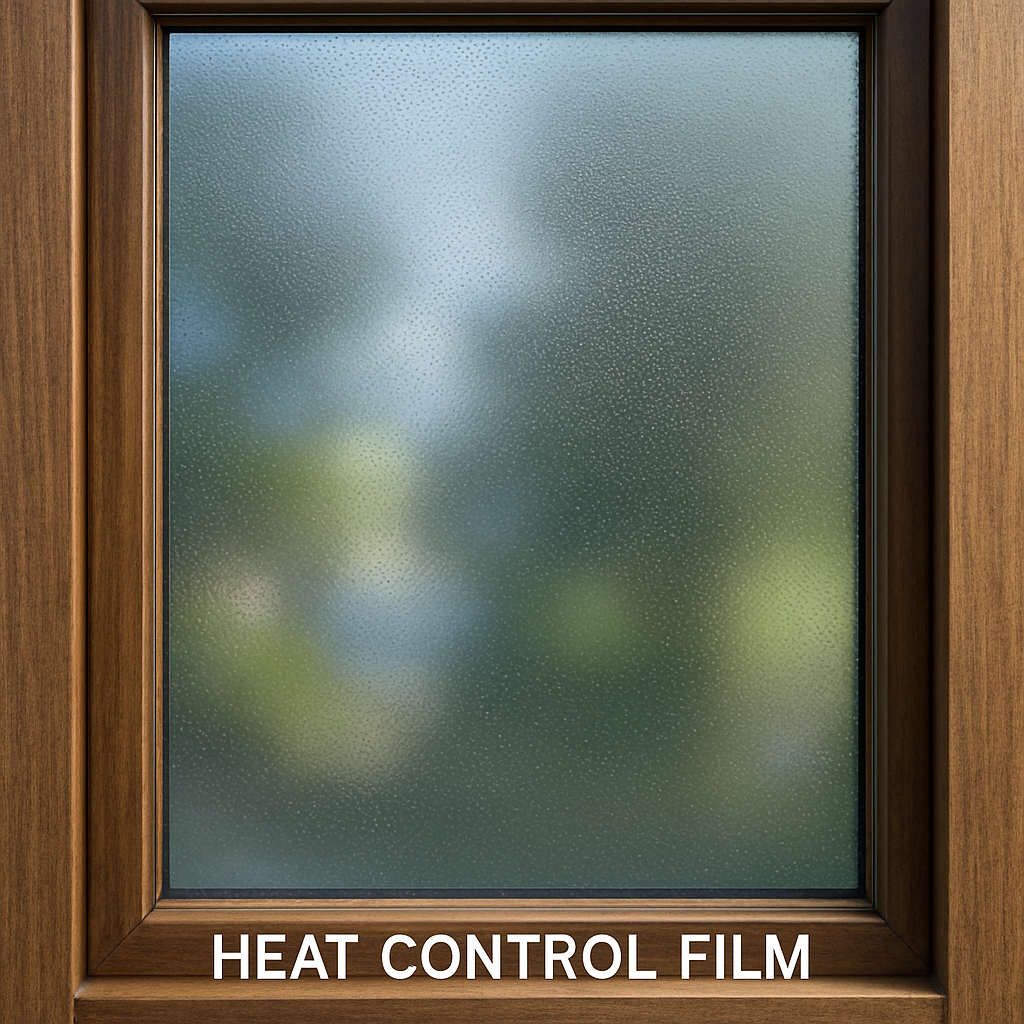
Gila’s Heat Control Platinum Film tops our list for its exceptional performance in energy efficiency. This film is designed to block up to 70% of solar heat, significantly reducing cooling costs. Its mirrored exterior also adds a layer of privacy without compromising natural light. Homeowners appreciate its durability and ease of installation, making it a favorite among DIY enthusiasts. Additionally, the film’s reflective surface not only enhances privacy but also adds a sleek, modern look to windows, making it a stylish choice for contemporary homes. :contentReference[oaicite:1]{index=1}

3. Rabbitgoo Privacy Window Film

For those prioritizing privacy, the Rabbitgoo Privacy Window Film is a standout option. Its frosted design effectively obscures outside views while maintaining a bright and airy interior. This film is adhesive-free, allowing for easy application and removal without leaving any residue. It’s a cost-effective choice that doesn’t sacrifice quality or style. The film’s unique design also allows for customizable patterns, giving homeowners the freedom to create a personalized look that suits their individual tastes and complements their home’s decor. :contentReference[oaicite:2]{index=2}

4. LLumar Window Films

LLumar is a trusted name in the window film industry, and their products continue to impress in 2025. Known for their advanced UV protection, LLumar films block over 99% of harmful UV rays, safeguarding your interiors from fading. Their films are available in various shades and styles, catering to diverse aesthetic preferences. Beyond UV protection, LLumar films are celebrated for their exceptional clarity and color stability, ensuring that they maintain their appearance and effectiveness over time, making them a reliable long-term investment for homeowners. :contentReference[oaicite:3]{index=3}

5. 3M Prestige Series

The 3M Prestige Series is synonymous with premium quality. These films offer superior heat rejection and UV protection while maintaining a clear view from both sides of the window. Unlike traditional films, the Prestige Series uses multilayer technology to reflect infrared light, making it nearly invisible. This is an excellent choice for homeowners seeking top-tier performance and aesthetics. The film’s advanced construction also contributes to a reduction in glare, enhancing comfort and visibility indoors, particularly in spaces with abundant natural light. :contentReference[oaicite:4]{index=4}

6. Velimax Static Cling Total Blackout Window Film

Velimax Blackout Film

For those looking to completely darken a room, perhaps for a home theater or bedroom, the Velimax Static Cling Total Blackout Window Film is ideal. This film provides complete privacy and light control, creating the perfect environment for rest or entertainment. Its static cling application makes it easy to install and remove as needed. Furthermore, this blackout film is an excellent choice for shift workers or families with young children, offering a peaceful, distraction-free environment that promotes better sleep and relaxation. :contentReference[oaicite:5]{index=5}

Choosing the Right Window Film for Your Home