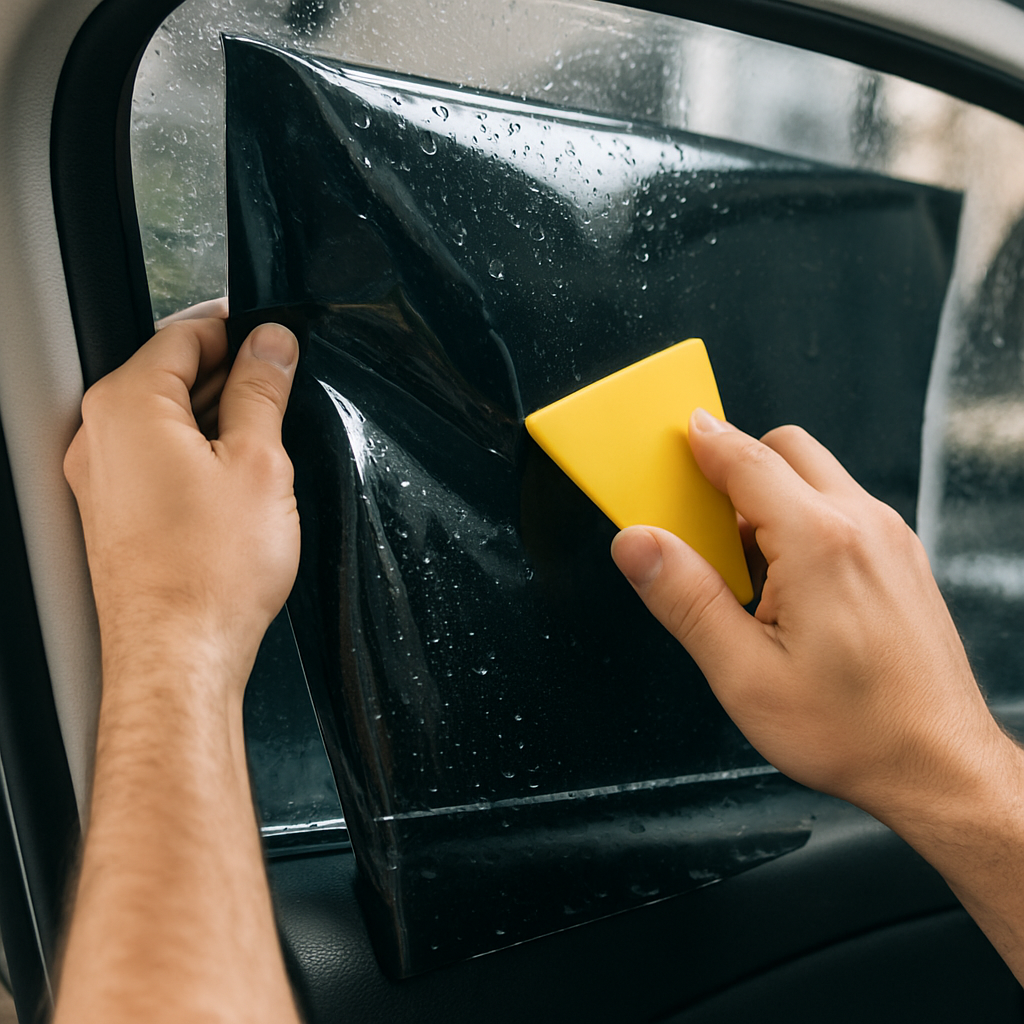
When it comes to maintaining the pristine condition of your window tints, proper cleaning is crucial. Window tints not only add aesthetic value to your home but also offer significant energy savings and protection from harmful UV rays. According to the U.S. Environmental Protection Agency (EPA), protecting indoor spaces from UV exposure plays an important role in reducing long-term sun damage. However, improper cleaning can damage the tint, leading to costly repairs or replacements. This guide will provide you with effective and safe window tint cleaning tips to ensure your tinted windows remain in top condition.
Before diving into the cleaning process, it’s essential to understand what window tint is. Window tint is a thin film applied to glass surfaces to reduce glare, improve privacy, and enhance energy efficiency. The U.S. Department of Energy highlights that properly treated windows can significantly improve a home’s overall energy performance. These tints are available in various shades and materials, each with its own benefits. Understanding the type of tint you have will help you choose the right cleaning methods and products.
Window Tint Cleaning Tips
Gather the Right Supplies
The first step in cleaning your tinted windows is gathering the right supplies. Using the wrong materials can scratch or damage the tint, so it’s important to choose carefully.
- Microfiber cloths: These are gentle on the film and won’t leave lint behind.
- Mild dish soap: A few drops mixed with water can create an effective cleaning solution.
- Spray bottle: For even application of your cleaning solution.
- Squeegee: To remove excess water without streaking.
Avoid Harsh Chemicals
It’s crucial to avoid harsh chemicals when cleaning tinted windows. Products containing ammonia or alcohol can degrade the film, leading to bubbling or peeling. Always use a mild, non-abrasive cleaner.
Cleaning Process
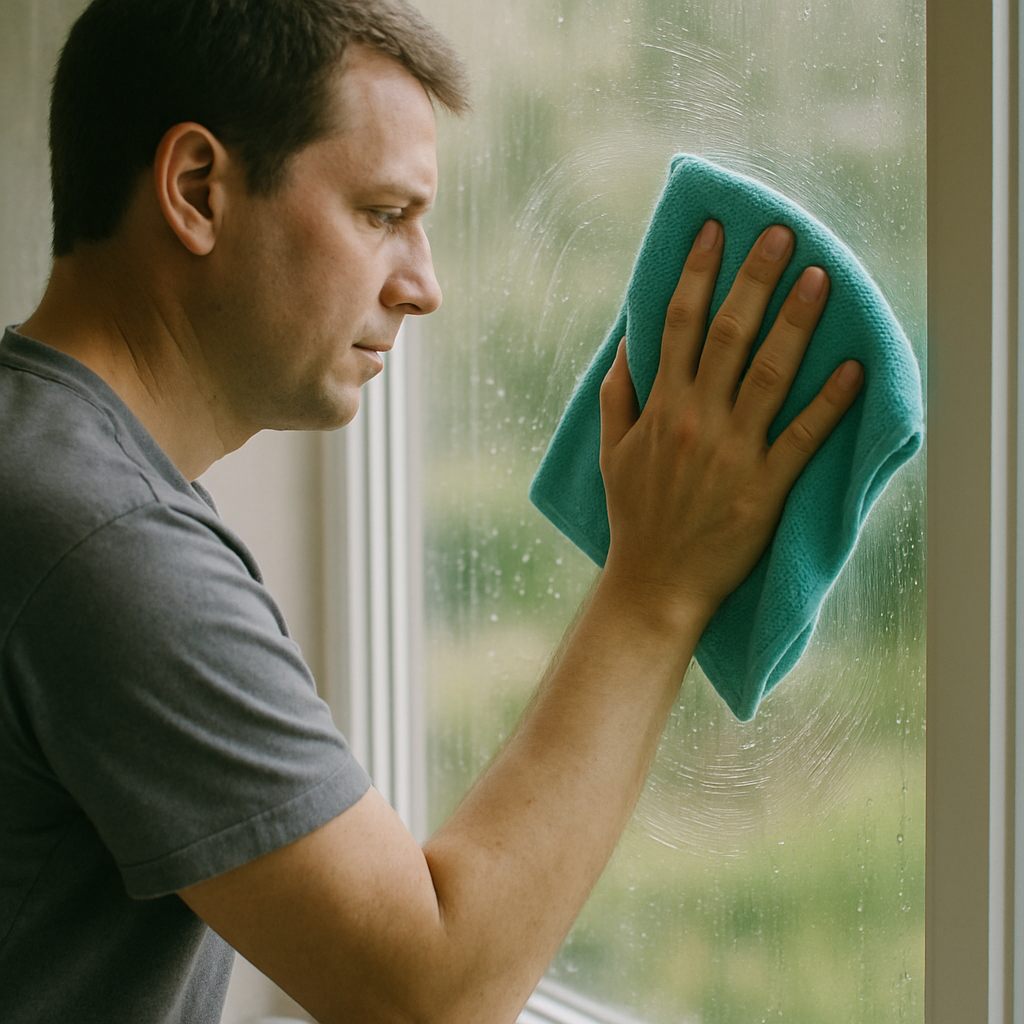
- Dust the Surface: Start by dusting the window with a dry microfiber cloth to remove any loose particles that could scratch the tint.
- Prepare the Cleaning Solution: Mix a few drops of mild dish soap with warm water in a spray bottle. Shake gently to combine.
- Apply the Solution: Lightly spray the cleaning solution onto the window. Be careful not to oversaturate, as excess moisture can seep under the tint and cause damage.
- Wipe the Window: Use a clean microfiber cloth to gently wipe the window in a circular motion. This helps lift dirt and grime without applying too much pressure.
- Dry with a Squeegee: Use a squeegee to remove excess water from the window, working from top to bottom. Wipe the squeegee blade with a clean cloth after each pass to avoid streaking.
- Final Buff: Finish with a dry microfiber cloth to buff the window and ensure a streak-free finish.
Regular Maintenance
To keep your tinted windows looking their best, incorporate regular maintenance into your cleaning routine. Dust and clean the windows every few weeks to prevent the build-up of dirt and grime. This not only keeps them looking good but also extends the lifespan of the tint.
Window Tint Care
Protect from Direct Sunlight
While window tints are designed to withstand sunlight, excessive exposure to direct sunlight can cause them to fade over time. Use curtains or blinds to provide additional protection, especially during the hottest parts of the day.
Avoid Abrasive Tools

by Giullia Siqueira (https://unsplash.com/@giulliasiqueira)
When cleaning tinted windows, avoid using abrasive tools such as scrapers or rough sponges. These can scratch the film, leading to visible damage.
Mind the Edges
Pay special attention to the edges of the window tint. Water and cleaning solutions can seep under the edges, causing the tint to peel. Always dry the edges thoroughly after cleaning.
Troubleshooting Common Issues
Bubbles and Peeling
If you notice bubbles or peeling in your window tint, it may be due to improper installation or exposure to harsh cleaning agents. In such cases, it’s best to consult a professional to assess the damage and recommend repair or replacement.
Streaks and Smudges
Streaks and smudges are common issues when cleaning windows. To avoid this, use clean, dry microfiber cloths and ensure the squeegee is free from debris. If streaks persist, try cleaning the window in the shade to prevent the cleaner from drying too quickly.
Discoloration
Discoloration can occur when tints are exposed to harsh chemicals or prolonged sunlight. If you notice discoloration, review your cleaning products and methods to ensure they’re suitable for tinted windows.
Conclusion
Cleaning tinted windows requires a gentle touch and the right products to avoid damage. By following the tips outlined in this guide, you can maintain the integrity and appearance of your window tints, ensuring they continue to provide aesthetic and energy-saving benefits for years to come. Remember, when in doubt, consult with a professional to ensure your window tints are properly cared for and maintained.
With regular care and attention, your tinted windows will remain a valuable asset to your home, enhancing both its beauty and energy efficiency. Take the time to clean and maintain them properly, and you’ll enjoy the benefits for many years.
By incorporating these simple yet effective cleaning techniques, you can preserve the quality and longevity of your window tints, ensuring they continue to enhance your living space without the worry of damage or unnecessary replacement costs.