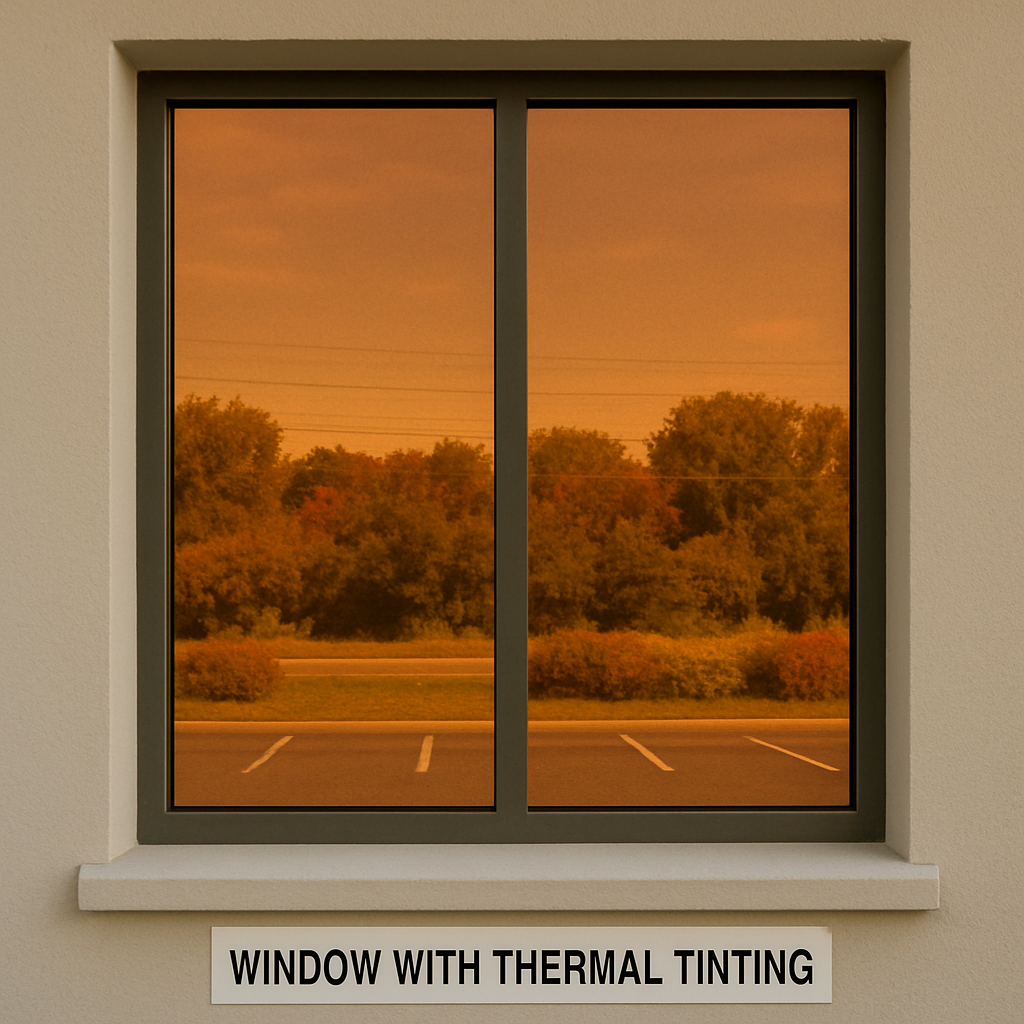
Window tinting is often associated with keeping homes cool in the summer by reducing the amount of sunlight that enters through the windows. However, many homeowners and interior designers may not realize that window tinting can also be beneficial during the winter months. The right kind of window tint can improve the insulation of your windows, making your home more energy-efficient and comfortable year-round. In this article, we’ll explore how winter window tinting works and why it could be a valuable addition to your home improvement projects.
When we talk about window tinting, we’re referring to the application of a thin film to the windows. This film can serve multiple purposes, from reducing glare and blocking harmful UV rays to enhancing privacy and improving insulation. For winter insulation, the focus is on thermal window tint, which is designed to help retain heat inside your home.
How Does Thermal Window Tint Work?
Thermal window tint works by reflecting and absorbing heat. During the winter, it helps to keep warm air inside your home by reducing the amount of heat that escapes through the windows. This is achieved through a special coating that reflects radiant heat back into the room. The result is less heat loss, which means your heating system doesn’t have to work as hard to maintain a comfortable temperature, ultimately leading to energy savings.
Benefits of Winter Window Tinting
The benefits of applying thermal window tint in winter are manifold, and they extend beyond just energy savings. Here are some of the key advantages:
- Energy Efficiency: By reducing heat loss through windows, thermal tinting helps lower energy bills and reduces the carbon footprint of your home.
- Comfort: A well-insulated home is more comfortable, with fewer drafts and more consistent temperatures throughout.
- UV Protection: Window tints can block up to 99% of harmful UV rays, protecting your furnishings and flooring from fading.
- Privacy and Security: Certain tints offer increased privacy and can also reinforce windows, making them harder to break.
Choosing the Right Window Tint for Winter

Not all window tints are created equal, especially when it comes to insulation. Here are some factors to consider when choosing a thermal window tint for winter:
Film Type
There are different types of window films available, each designed for specific purposes. For winter insulation, look for films specifically labeled as “thermal” or “insulating.”
Visible Light Transmission (VLT)
VLT measures how much visible light passes through the window tint. A higher VLT means more light enters your home, which can be beneficial in the winter months when natural light is limited.
Solar Heat Gain Coefficient (SHGC)
SHGC measures how well the film blocks heat from sunlight. In winter, you might want a tint with a higher SHGC to allow some solar heat into your home during the day. You can learn more about SHGC and energy performance standards from the U.S. Department of Energy.
Aesthetic Considerations
As an interior designer, you know that aesthetics matter. Fortunately, window tints come in various shades and finishes, allowing you to choose an option that complements the style of your client’s home.
Installing Window Tint: DIY or Professional?
When it comes to installing window tint, you have the option of doing it yourself or hiring a professional. Both have their pros and cons.
DIY Installation
- Pros: Cost-effective, allows for customization, and can be a rewarding project for the handy homeowner.
- Cons: Requires precision and patience. Mistakes can lead to bubbles or misalignment, which can affect performance and appearance.
Professional Installation
- Pros: Ensures a flawless finish, optimized performance, and often comes with a warranty.
- Cons: More expensive upfront, but the investment can pay off in energy savings and increased home value.
Real-World Example: Transforming a Living Space with Window Tint

by Sam Moghadam (https://unsplash.com/@sammoghadam)
Consider a scenario where a homeowner wants to enhance their living room’s energy efficiency without compromising on style. By choosing a clear thermal window tint, they can maintain the room’s natural light while significantly reducing heat loss. The result is a cozy, stylish space that saves on heating costs and reduces environmental impact.
Maintenance and Longevity of Window Tint
One of the great things about window tint is that it requires very little maintenance once installed. Here are some tips to ensure its longevity:
- Cleaning: Use a soft cloth and mild soapy water to clean the windows. Avoid abrasive cleaners that can scratch the film.
- Inspection: Regularly check for any signs of peeling or bubbling, which could indicate that the tint needs to be replaced.
- Professional Check-up: Consider a professional check-up every few years to ensure the tint remains in good condition and continues to provide insulation benefits.
The Future of Window Tinting: Innovations and Trends
The window tinting industry is constantly evolving, with new technologies and trends emerging to enhance performance and aesthetics. Some exciting developments include:
- Smart Window Films: These films can adjust their tint based on the temperature or time of day, providing optimal insulation and lighting conditions automatically. Research into smart glazing technologies is also documented by the National Renewable Energy Laboratory.
- Decorative Tints: More options are becoming available that combine insulation with decorative patterns, allowing for more personalized designs.
Conclusion: Is Winter Window Tinting Worth It?
In conclusion, window tinting is not just a summer solution. With the right thermal window tint, you can improve your home’s winter insulation, leading to energy savings and increased comfort. Whether you’re a homeowner looking to upgrade your space or an interior designer seeking innovative solutions for clients, winter window tinting offers a practical and stylish option to enhance living environments.
By understanding the benefits and options available, you can make informed decisions that align with your goals of creating energy-efficient and aesthetically pleasing spaces. So, the next time you consider a home improvement project, think about the potential of window tinting to transform your home into a cozy, efficient haven all year round.