Categories
Window Tint and Film

Can Window Tinting Actually Improve Winter Insulation

Window tinting is often associated with keeping homes cool in the summer by reducing the amount of sunlight that enters through the windows. However, many homeowners and interior designers may not realize that window tinting can also be beneficial during the winter months. The right kind of window tint can improve the insulation of your windows, making your home more energy-efficient and comfortable year-round. In this article, we’ll explore how winter window tinting works and why it could be a valuable addition to your home improvement projects.

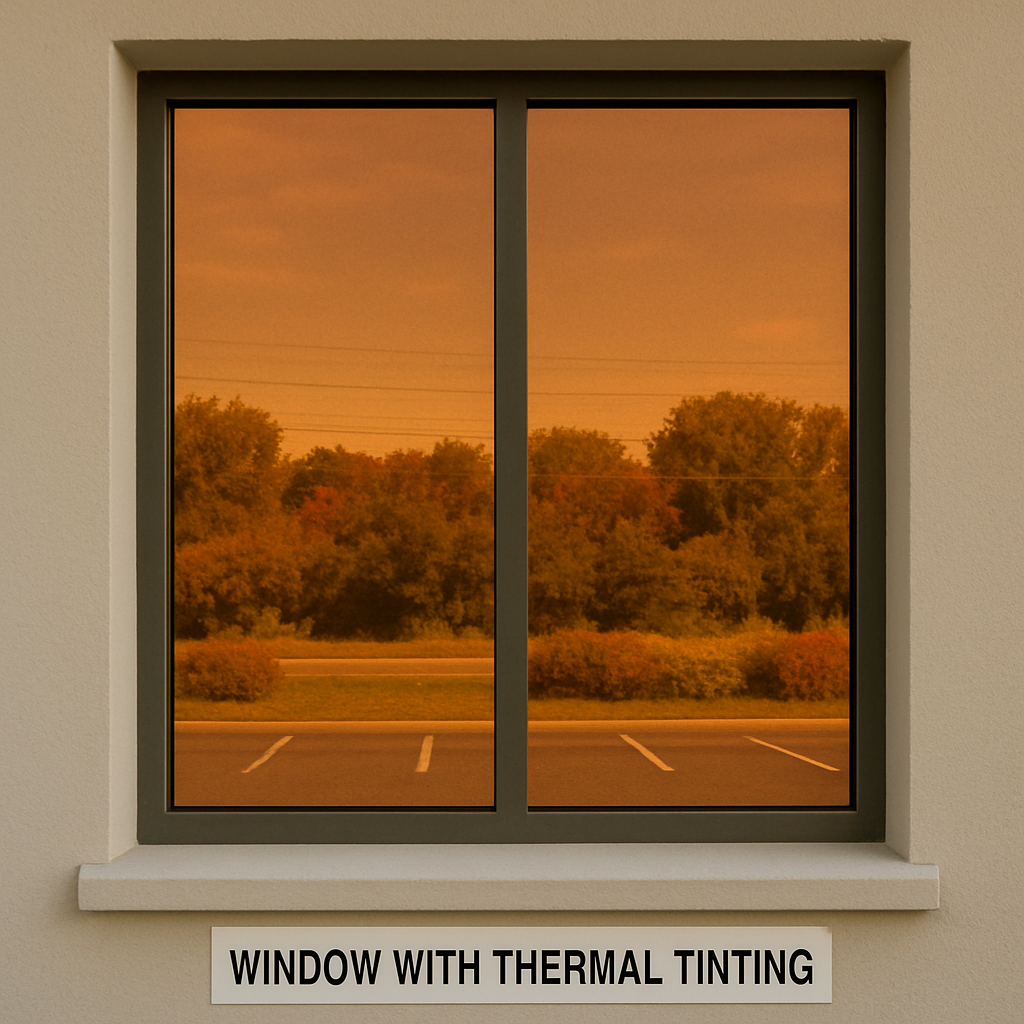
When we talk about window tinting, we’re referring to the application of a thin film to the windows. This film can serve multiple purposes, from reducing glare and blocking harmful UV rays to enhancing privacy and improving insulation. For winter insulation, the focus is on thermal window tint, which is designed to help retain heat inside your home.

How Does Thermal Window Tint Work?

Thermal window tint works by reflecting and absorbing heat. During the winter, it helps to keep warm air inside your home by reducing the amount of heat that escapes through the windows. This is achieved through a special coating that reflects radiant heat back into the room. The result is less heat loss, which means your heating system doesn’t have to work as hard to maintain a comfortable temperature, ultimately leading to energy savings.

Benefits of Winter Window Tinting

The benefits of applying thermal window tint in winter are manifold, and they extend beyond just energy savings. Here are some of the key advantages:

  • Energy Efficiency: By reducing heat loss through windows, thermal tinting helps lower energy bills and reduces the carbon footprint of your home.
  • Comfort: A well-insulated home is more comfortable, with fewer drafts and more consistent temperatures throughout.
  • UV Protection: Window tints can block up to 99% of harmful UV rays, protecting your furnishings and flooring from fading.
  • Privacy and Security: Certain tints offer increased privacy and can also reinforce windows, making them harder to break.

Choosing the Right Window Tint for Winter

Different window tints

Not all window tints are created equal, especially when it comes to insulation. Here are some factors to consider when choosing a thermal window tint for winter:

Film Type

There are different types of window films available, each designed for specific purposes. For winter insulation, look for films specifically labeled as “thermal” or “insulating.”

Visible Light Transmission (VLT)

VLT measures how much visible light passes through the window tint. A higher VLT means more light enters your home, which can be beneficial in the winter months when natural light is limited.

Solar Heat Gain Coefficient (SHGC)

SHGC measures how well the film blocks heat from sunlight. In winter, you might want a tint with a higher SHGC to allow some solar heat into your home during the day. You can learn more about SHGC and energy performance standards from the U.S. Department of Energy.

Aesthetic Considerations

As an interior designer, you know that aesthetics matter. Fortunately, window tints come in various shades and finishes, allowing you to choose an option that complements the style of your client’s home.

Installing Window Tint: DIY or Professional?

When it comes to installing window tint, you have the option of doing it yourself or hiring a professional. Both have their pros and cons.

DIY Installation

  • Pros: Cost-effective, allows for customization, and can be a rewarding project for the handy homeowner.
  • Cons: Requires precision and patience. Mistakes can lead to bubbles or misalignment, which can affect performance and appearance.

Professional Installation

  • Pros: Ensures a flawless finish, optimized performance, and often comes with a warranty.
  • Cons: More expensive upfront, but the investment can pay off in energy savings and increased home value.

Real-World Example: Transforming a Living Space with Window Tint

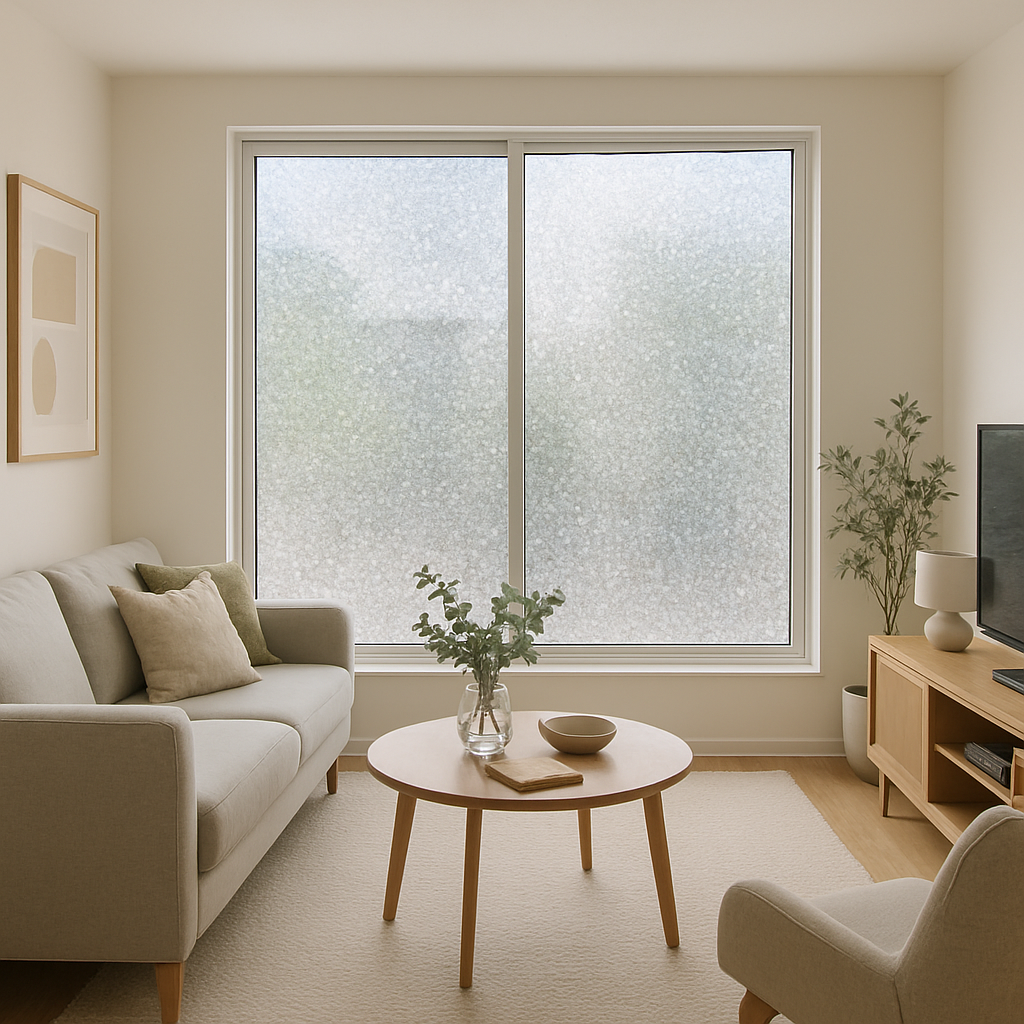
Modern living room with window tint

by Sam Moghadam (https://unsplash.com/@sammoghadam)

Consider a scenario where a homeowner wants to enhance their living room’s energy efficiency without compromising on style. By choosing a clear thermal window tint, they can maintain the room’s natural light while significantly reducing heat loss. The result is a cozy, stylish space that saves on heating costs and reduces environmental impact.

Maintenance and Longevity of Window Tint

One of the great things about window tint is that it requires very little maintenance once installed. Here are some tips to ensure its longevity:

  • Cleaning: Use a soft cloth and mild soapy water to clean the windows. Avoid abrasive cleaners that can scratch the film.
  • Inspection: Regularly check for any signs of peeling or bubbling, which could indicate that the tint needs to be replaced.
  • Professional Check-up: Consider a professional check-up every few years to ensure the tint remains in good condition and continues to provide insulation benefits.

The Future of Window Tinting: Innovations and Trends

The window tinting industry is constantly evolving, with new technologies and trends emerging to enhance performance and aesthetics. Some exciting developments include:

  • Smart Window Films: These films can adjust their tint based on the temperature or time of day, providing optimal insulation and lighting conditions automatically. Research into smart glazing technologies is also documented by the National Renewable Energy Laboratory.
  • Decorative Tints: More options are becoming available that combine insulation with decorative patterns, allowing for more personalized designs.

Conclusion: Is Winter Window Tinting Worth It?

In conclusion, window tinting is not just a summer solution. With the right thermal window tint, you can improve your home’s winter insulation, leading to energy savings and increased comfort. Whether you’re a homeowner looking to upgrade your space or an interior designer seeking innovative solutions for clients, winter window tinting offers a practical and stylish option to enhance living environments.

By understanding the benefits and options available, you can make informed decisions that align with your goals of creating energy-efficient and aesthetically pleasing spaces. So, the next time you consider a home improvement project, think about the potential of window tinting to transform your home into a cozy, efficient haven all year round.

Categories
Window Tint and Film

Comparing Alternatives to Privacy Window Tint

Privacy is a key concern for many homeowners. Whether you’re living in a bustling urban area or a quiet suburban neighborhood, the need to prevent prying eyes from seeing into your home is universal. This concern extends beyond privacy, as many people also seek solutions that enhance the aesthetic appeal of their homes. Privacy window tint has been a go-to solution, but there are other innovative methods to consider. These alternatives not only address privacy concerns but also add decorative elements to your living spaces.

Moreover, with the rise of smart homes and open-concept living, the demand for customizable privacy solutions has increased. Homeowners are looking for options that are not only functional but also easy to adapt to changing needs and styles. As a result, the market has responded with a variety of products that offer both privacy and design flexibility, making it easier than ever to find a solution that fits your unique requirements.

Privacy Window Tint: A Quick Overview

Privacy window tint is a thin film applied to glass surfaces. It offers privacy by reflecting light and creating a mirrored effect on the outside. This solution has been widely adopted due to its straightforward installation process and immediate effectiveness. While effective, it might not be suitable for everyone. Some may find it diminishes natural light or doesn’t align with their design aesthetics, particularly in spaces where maintaining a bright and airy atmosphere is desired.

Additionally, privacy window tint can sometimes create a stark contrast with the rest of the home’s design elements, especially in rooms with a specific color palette or theme. For individuals who prioritize maintaining a consistent interior design, exploring alternatives that offer a blend of privacy and aesthetic harmony becomes essential. Understanding these nuances is key to making an informed decision about the best privacy solution for your home.

Exploring Alternatives to Privacy Window Tint

1. Frosted Glass Films

Frosted glass window in a modern kitchen

Frosted glass films are a fantastic alternative to traditional window tint. They provide a similar level of privacy by obscuring the view from outside while allowing light to filter through. Available in various patterns and designs, frosted films can complement any decor style, from minimalist to eclectic. This versatility makes them a popular choice among homeowners looking to enhance privacy without compromising on style.

Moreover, frosted glass films can be customized to reflect personal tastes and preferences. Whether you prefer a subtle matte finish or intricate patterns, there are numerous options to choose from. These films are particularly useful in areas like bathrooms and offices, where both privacy and light are crucial. Their ability to diffuse light also helps reduce glare, creating a more comfortable environment.

Benefits:

  • Easy to install and remove: Frosted films are user-friendly, making them a suitable DIY project for homeowners.
  • Allows natural light in while maintaining privacy: Unlike traditional tints, frosted films don’t darken rooms, preserving the natural brightness.
  • Available in multiple designs to match aesthetic preferences: With countless design options, these films can enhance any interior space.

2. Privacy Screens

Privacy screens are versatile and can be used both indoors and outdoors. These screens can be set up near windows to provide a barrier without blocking light. They are available in different materials, such as wood, metal, or fabric, allowing for creative expression and functional use. Privacy screens are perfect for those who enjoy rearranging their living spaces, as they can be easily moved and adjusted to fit different layouts.

In addition to their functionality, privacy screens serve as decorative elements that can enhance the overall ambiance of a room. They can be used to create focal points or divide spaces in open-plan areas. With a variety of styles and materials available, privacy screens can be tailored to match any interior design theme, from rustic to contemporary.

Benefits:

  • Can be moved and rearranged easily: Perfect for dynamic spaces where flexibility is essential.
  • Adds a decorative element to the space: Privacy screens can serve as art pieces, adding texture and depth to a room.
  • Offers flexible privacy solutions: Ideal for temporary setups or changing privacy needs.

3. Window Coverings

Window coverings like curtains and blinds are classic privacy solutions. They come in various styles, colors, and materials, offering a wide range of design possibilities. Whether you prefer the elegance of drapes or the sleekness of modern blinds, window coverings provide a practical and stylish way to enhance privacy and control light.

Curtains and blinds can be layered to achieve the desired level of opacity and light control. For instance, sheer curtains can be paired with heavier drapes to allow flexibility in light management. Additionally, window coverings can be customized with various accessories, such as tiebacks and finials, to add a personal touch to your decor.

Types of Window Coverings:

  • Curtains: Available in sheer or heavy fabrics, curtains can be used to control the amount of light entering a room. They also add softness and texture to interior spaces.
  • Blinds: With options like Venetian, roller, or Roman blinds, you can adjust the slats to regulate privacy and light. Blinds offer a clean, modern look and are easy to maintain.
  • Shutters: Wooden or plantation shutters add a touch of elegance and provide excellent privacy. Shutters are durable and can be painted or stained to match your interior style.

Innovative Privacy Screen Ideas

Decorative screen in living room

by Kaeli Hearn ([https://unsplash.com/@kaelihearn](https://unsplash.com/@kaelihearn))

If you’re an interior designer or a homeowner looking to add a creative touch to your space, consider these innovative privacy screen ideas. These ideas not only offer privacy but also serve as unique design elements that can transform your living areas.

1. Decorative Panels

Decorative panels can be customized to fit the theme of your room. Laser-cut designs or stained glass panels can act as both art and functional privacy screens. These panels can be used as statement pieces that draw attention and enhance the aesthetic of a space. Incorporating decorative panels into your design can help create a cohesive look, tying together various elements of your decor.

In addition to their aesthetic appeal, decorative panels offer practical benefits. They can be used to section off areas in open-plan spaces, providing privacy and defining different zones within a room. With endless design possibilities, decorative panels can be tailored to suit any style, from traditional to modern.

2. Green Walls

Integrating plants into privacy solutions is a sustainable and stylish choice. Vertical gardens or potted plants near windows create a natural barrier while improving air quality and adding greenery to your space. Green walls are particularly appealing in urban environments, where access to nature may be limited. They offer a refreshing and calming presence, contributing to a healthier living environment.

Moreover, green walls can be customized to suit different spaces and preferences. Whether you choose trailing vines or lush ferns, plants can be arranged in various configurations to create the desired level of privacy. This eco-friendly solution not only enhances privacy but also promotes a sense of well-being and connection to nature.

3. Sliding Panels

Sliding panels offer a modern twist on traditional privacy screens. They can be installed on tracks to slide open or closed, providing a flexible privacy solution that’s easy to operate. Sliding panels are ideal for spaces that require frequent adjustments, as they can be easily moved to accommodate different needs. Their sleek design adds a contemporary touch to any room, making them a popular choice for modern interiors.

In addition to their functionality, sliding panels come in a variety of materials and finishes, allowing for personalization and creative expression. Whether you prefer a minimalist look or a bold statement, sliding panels can be customized to complement your decor and enhance the overall aesthetic of your space.

The Role of Energy Efficiency

Beyond privacy, one of the significant benefits of window solutions is their impact on energy efficiency. By selecting the right materials and designs, you can reduce energy consumption and lower utility bills. Energy-efficient window solutions not only contribute to a more sustainable lifestyle but also provide long-term cost savings for homeowners.

Energy-Efficient Window Coverings

  • Cellular Shades: Known for their honeycomb design, cellular shades trap air and act as insulators, keeping rooms warm in the winter and cool in the summer. This design helps maintain a comfortable indoor temperature year-round, reducing the need for heating and cooling systems. (See Energy Efficient Window Coverings.)
  • Thermal Curtains: Made from thick, insulated fabric, these curtains reduce heat loss during colder months and block sunlight during warmer months. Thermal curtains are an excellent investment for those looking to improve their home’s energy efficiency while maintaining a stylish appearance. (Natural Resources Canada also notes that curtains and blinds can help reduce heat loss.)

Making the Right Choice

When selecting a privacy solution, consider your specific needs. Each option offers distinct advantages, and understanding these can help you make an informed decision that aligns with your lifestyle and preferences.

  • Aesthetic Preferences: Does the solution match your interior design style? Consider how each option complements your existing decor and enhances the overall ambiance of your space.
  • Functionality: Does it provide the level of privacy you need? Evaluate how each solution meets your privacy requirements and whether it offers the flexibility to adapt to changing needs.
  • Energy Efficiency: Will it help reduce your energy consumption? Consider the environmental impact and potential cost savings associated with each option.

Conclusion

Choosing the right alternative to privacy window tint is crucial for enhancing both the functionality and aesthetic appeal of your home. With options ranging from frosted glass films and privacy screens to various window coverings, you can find a solution that meets your needs and complements your style. Whether you’re an interior designer sourcing solutions for clients or a homeowner seeking to improve your living space, these alternatives offer versatility and innovation.

By incorporating these solutions, you not only ensure privacy but also contribute to energy efficiency, creating a comfortable and stylish environment. Remember, the best choice is one that aligns with your specific requirements and enhances the overall ambiance of your home. With the right solution, you can transform your windows into a focal point of both design and practicality, achieving the perfect balance between privacy, style, and sustainability.

Categories
Window Tint and Film

The Right Way to Use Privacy Window Film One Way

Privacy is a fundamental aspect of any home, and one of the simplest ways to enhance it is by using privacy window film. This innovative solution offers a variety of benefits, including improved aesthetics, energy efficiency, and a heightened sense of security, all without sacrificing natural light. In this article, we will explore the right way to use one-way privacy window film to maximize its advantages and ensure a seamless integration into your home decor.

Privacy window film is a thin layer of polyester or vinyl that adheres to your windows. It allows you to see out while preventing others from seeing in. This feature makes it an ideal choice for homeowners who want to maintain their privacy without blocking out the natural light that streams into their living spaces. According to the U.S. Department of Energy, certain window films and coverings can also help improve energy efficiency in homes.

Types of Privacy Window Film

There are several types of privacy window films available, each offering unique features to cater to different needs:

  • Frosted Window Film: This film offers a translucent appearance, diffusing light while obscuring the view from both sides.
  • Reflective Window Film: Often used in commercial settings, this film provides a mirrored effect on the outside during the day, enhancing privacy.
  • Decorative Window Film: Available in various patterns and designs, this film adds an aesthetic touch while offering privacy.
  • One-Way Mirror Film: This film creates a mirrored exterior while allowing clear visibility from the inside, optimal for daytime privacy.

Benefits of Using Privacy Window Film

Enhanced Privacy

The primary benefit of privacy window film is, unsurprisingly, increased privacy. Whether you live in a busy urban area or simply wish to keep prying eyes at bay, window films are an effective and affordable solution.

Energy Efficiency

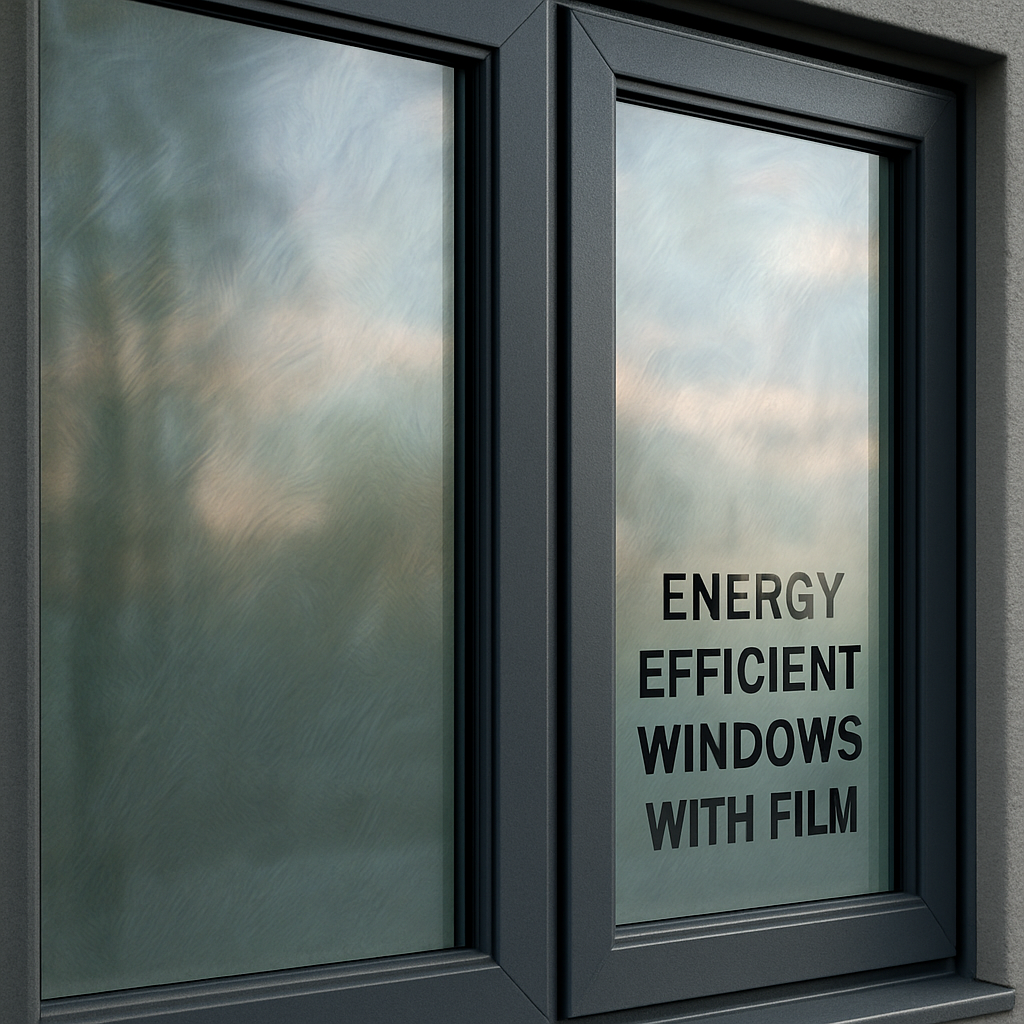
Close-up of energy-efficient windows with film

Privacy window film can also contribute to energy savings. Reflective films, for example, reduce heat gain by reflecting sunlight, which helps maintain a comfortable indoor temperature and reduces reliance on air conditioning. This can lead to significant savings on your energy bills. Research from the National Renewable Energy Laboratory shows that solar-control window technologies can meaningfully improve building energy performance.

UV Protection

Another advantage of window films is their ability to block harmful UV rays. These rays can cause fading and damage to your furniture, flooring, and artwork. By installing window films, you can protect your interiors and extend the lifespan of your belongings.

Improved Aesthetics

Privacy window films are available in a wide range of designs and finishes, allowing you to customize the look of your windows. Whether you prefer a sleek modern look or a more traditional design, there’s a film to suit your style.

Safety and Security

Privacy films can also enhance safety by holding shattered glass together in the event of a breakage. This reduces the risk of injury from flying glass shards and can deter potential intruders by making it more difficult to see inside.

Installation: The Right Way

Installing privacy window film is a straightforward process, but it requires attention to detail to ensure a smooth, bubble-free finish. Here’s a step-by-step guide to help you achieve professional results.

Preparation

  1. Measure and Cut: Measure your windows carefully and cut the film to size, leaving a small margin for adjustment.
  2. Clean the Glass: Thoroughly clean your windows to remove dust, dirt, and grease. Use a glass cleaner and a lint-free cloth to achieve a spotless surface.

Application

  1. Wet the Glass: Spray the window with a mixture of water and a few drops of dish soap. This will help you position the film and remove air bubbles.
  2. Peel and Apply: Carefully peel the backing off the film and apply it to the wet glass, starting from the top and working your way down.
  3. Smooth Out Bubbles: Use a squeegee to smooth out any air bubbles and excess water. Start from the center and work towards the edges.

Finishing Touches

  1. Trim the Edges: Once the film is in place, use a sharp utility knife to trim any excess material from the edges.
  2. Final Inspection: Check for any remaining bubbles or imperfections and smooth them out with the squeegee.

Maintaining Your Privacy Window Film

Once installed, privacy window films require minimal maintenance. Here are some tips to keep them looking their best:

  • Cleaning: Clean the film with a soft cloth and a mild soap solution. Avoid abrasive cleaners that can scratch the surface.
  • Avoid Sharp Objects: Be cautious when handling sharp objects near the film, as they can cause scratches or tears.
  • Regular Inspection: Periodically inspect the film for signs of wear or damage, and replace it if necessary to maintain optimal performance.

Choosing the Right Film for Your Needs

Selection of decorative privacy window films

by Dzmitry Biahanski (https://unsplash.com/@biahanski)

Selecting the right privacy window film depends on your specific needs and preferences. Consider the following factors when making your choice:

  • Privacy Level: Determine the level of privacy you require and choose a film that meets those needs.
  • Aesthetic Preferences: Consider the design and finish of the film to ensure it complements your interior decor.
  • Climate Considerations: If you live in a hot climate, opt for a reflective film that offers heat reduction benefits.

Conclusion

Privacy window film is a versatile and effective solution for enhancing privacy, improving energy efficiency, and adding a decorative touch to your home. By understanding the different types of films and following the proper installation and maintenance procedures, you can enjoy the many benefits they offer. Whether you’re looking to boost privacy or simply enhance the look of your windows, privacy window film is a smart investment for any homeowner.