Categories
Window Tint and Film

Privacy at Night Which Window Films Actually Work

In today’s world, privacy is a priority for homeowners and interior designers alike. One of the most effective ways to ensure privacy, especially at night, is by using window films. But with so many options available, how do you know which window films actually work? This comprehensive guide will shed light on the best types of window films for privacy and how they can transform your living space while maintaining a stylish appearance.

Window films are thin layers of polyester or vinyl applied directly to glass surfaces. They come in various styles and serve multiple functions, from blocking UV rays to enhancing privacy. When it comes to privacy at night, not all films are created equal. It’s crucial to choose the right one based on your specific needs and preferences.

Types of Window Films for Privacy

  1. Frosted Window Film

Frosted window films offer a translucent appearance, allowing light to pass through while obscuring the view from both inside and outside. This makes them ideal for rooms that require privacy without compromising natural light, such as bathrooms and bedrooms.

  1. Reflective Window Film

Reflective window films are metallic-coated films that reflect light, providing a mirror-like appearance during the day. However, their privacy effect diminishes at night when interior lights are on, as the reflective properties work best with sunlight.

  1. Blackout Window Film

For total privacy, blackout window films are the way to go. These films completely block out light and view, ensuring no one can see in or out. They are perfect for areas where privacy is a must, such as home theaters or nurseries.

  1. Decorative Window Film

Decorative window films are designed to enhance the aesthetic appeal of a space while providing a certain degree of privacy. They come in various patterns and designs, allowing you to match them with your interior decor. While they offer some privacy, the level varies depending on the design and opacity.

Factors to Consider When Choosing Window Films
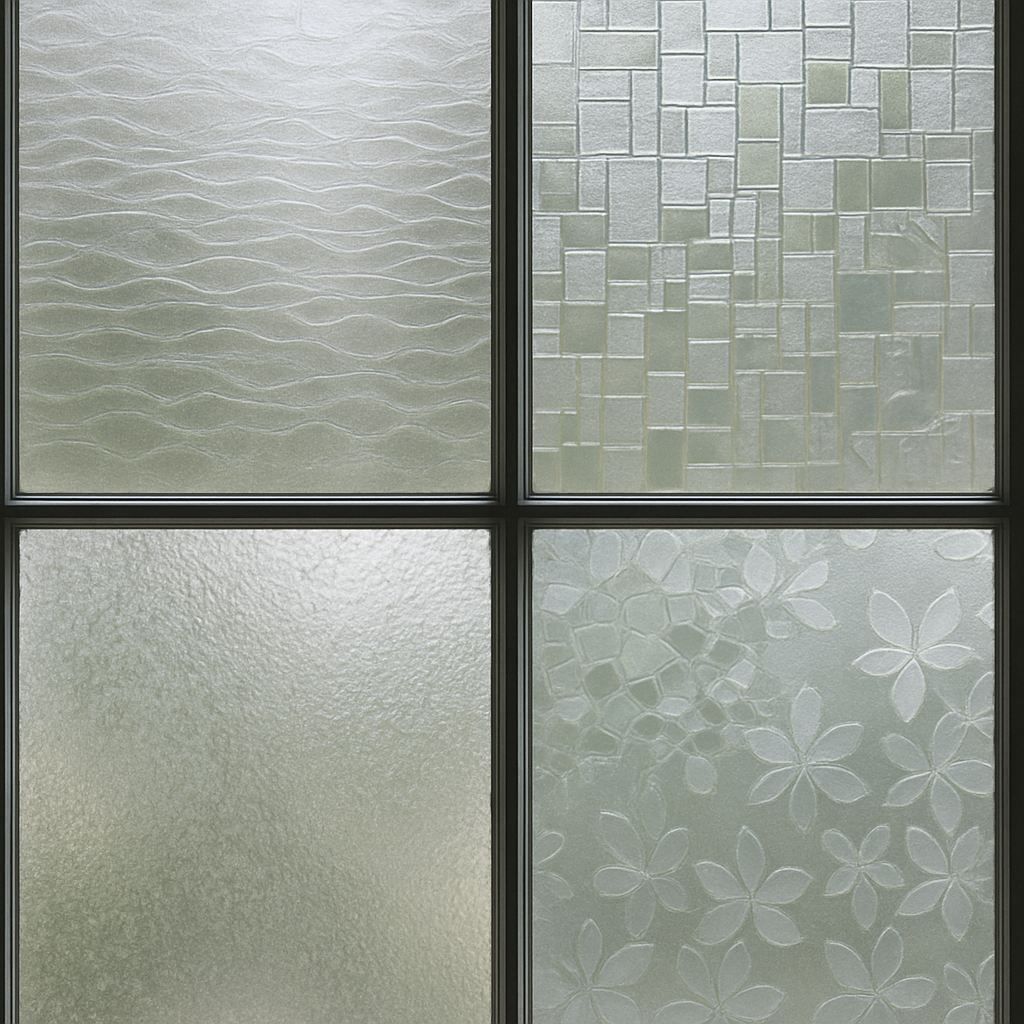
Different window film patterns and textures

When selecting the best privacy window film for house, consider the following factors:

Light Transmission

Consider how much natural light you want to allow into the room. Frosted and decorative films generally permit more light compared to blackout films.

Privacy Level

Identify how much privacy you need. If it’s a high-priority area, like a bathroom, you might opt for frosted or blackout films. For living rooms, decorative films might suffice, providing a balance between privacy and style.

Aesthetic Appeal

Window films can enhance the overall look of a room. Choose a design that complements your interior decor while serving its functional purpose.

Installation and Maintenance

Evaluate whether you want a DIY installation or professional help. Some films are easier to install, and most require minimal maintenance, involving just occasional cleaning with non-abrasive solutions.

Benefits of Using Window Films for Privacy

Window films do more than just offer privacy. Here are some additional benefits:

Energy Efficiency

Many window films, especially reflective ones, can help reduce energy costs by blocking UV rays and regulating indoor temperatures. This can be a significant advantage for homeowners looking to improve energy efficiency. According to the U.S. Department of Energy, certain window films can significantly reduce heat gain and improve insulation performance.

UV Protection

Window films provide protection from harmful UV rays, preventing fading of furniture, flooring, and artwork. This is particularly beneficial in rooms with large windows that receive direct sunlight. The Environmental Protection Agency (EPA) notes that limiting UV exposure indoors can help reduce long-term damage to materials and skin.

Cost-Effectiveness

Compared to other window treatments, films are often more affordable and easier to install, making them a cost-effective solution for enhancing privacy and aesthetics.

Versatility

With a wide range of styles and designs, window films can be tailored to meet various needs and preferences, making them a versatile choice for any room.

Real-World Applications: Interior Designer Insights

Stylish living room with window films

by Sam Moghadam (https://unsplash.com/@sammoghadam)

Interior designers often face the challenge of finding solutions that are both functional and stylish. Window films offer a practical solution that doesn’t sacrifice design. For instance, in a minimalist home, frosted films can provide privacy without cluttering the aesthetic. Meanwhile, decorative films can add a unique touch to a modern living space.

Case Study: Transforming a Client’s Living Space

An interior designer was tasked with updating a client’s downtown apartment. The client wanted more privacy without losing the stunning city views. The designer chose reflective window films for the living room, allowing for daytime privacy and UV protection. In the bedrooms, frosted films were applied to maintain privacy while letting in natural light. This combination provided the desired privacy with a stylish, cohesive look throughout the apartment.

Installation Tips for Window Films

For those considering a DIY approach, here are some tips for a successful window film installation:

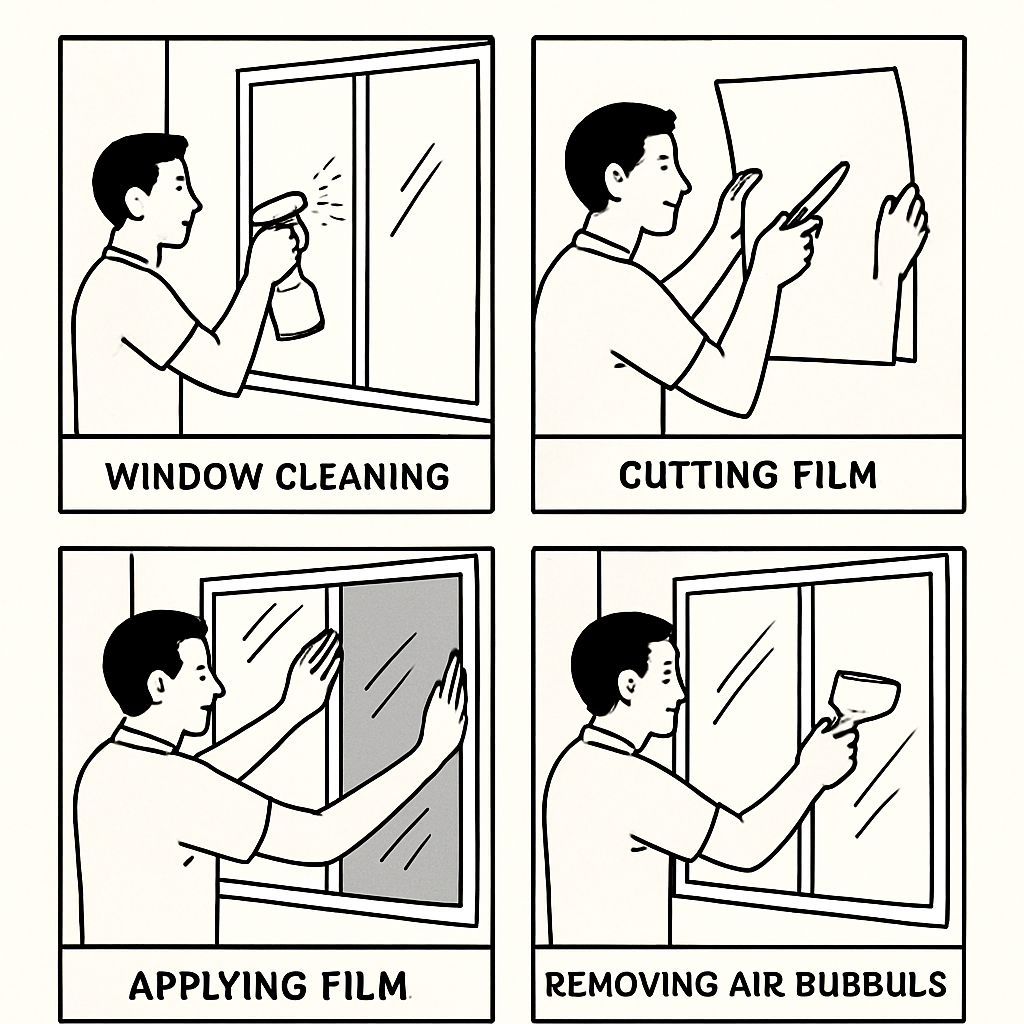
  1. Clean the Windows Thoroughly: Ensure windows are clean and free of dust or debris before applying the film. This will ensure a smooth application and prevent bubbles.
  2. Measure and Cut Accurately: Measure the windows precisely and cut the film slightly larger than the glass. You can trim the excess after application.
  3. Apply with Care: Use a spray bottle with a soapy water solution to wet the window and film before application. This allows you to slide the film into the perfect position.
  4. Smooth Out Bubbles: Use a squeegee to remove any air bubbles, working from the center outward.
  5. Trim Excess Film: Once the film is securely in place, carefully trim any excess with a sharp utility knife.

Conclusion

Choosing the right window film for privacy at night involves considering your specific needs, the level of privacy desired, and aesthetic preferences. Window films not only enhance privacy but also offer energy efficiency, UV protection, and style. Whether you are an interior designer seeking to offer clients innovative solutions or a homeowner looking to improve your living space, window films provide a practical and stylish option.

By selecting and installing the right window film, you can enjoy enhanced privacy, energy savings, and a beautiful interior environment tailored to your needs.
Categories
Window Tint and Film

Can You See Through Blackout Window Film During the Day

# Can You See Through Blackout Window Film During the Day

When considering window tinting for your home, one of the most popular options is blackout window film. But a common question that arises is, “Can you see through blackout window film during the day?” This article aims to provide you with a comprehensive understanding of blackout window film, its benefits, and how it can enhance your living space.

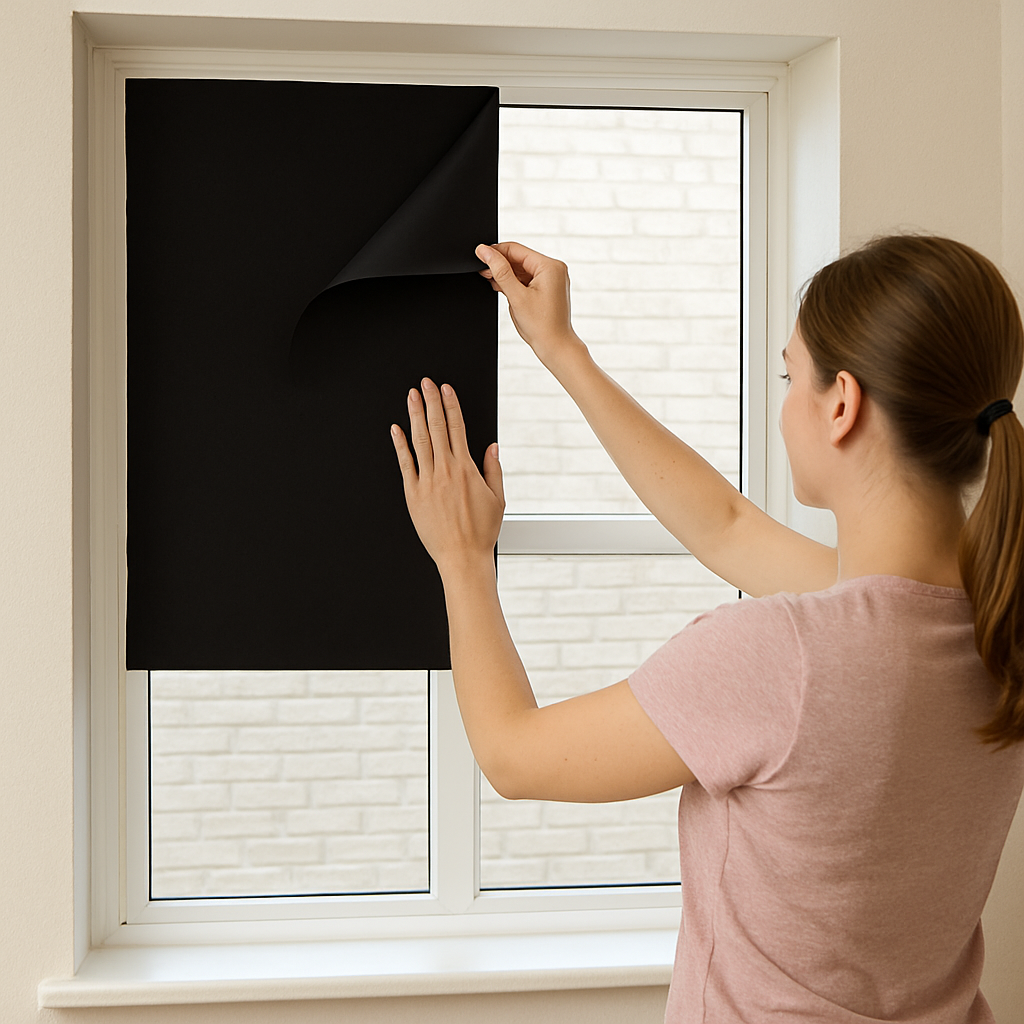
Blackout window film is a type of privacy window film designed to block out light completely. As the name suggests, it creates a blackout effect, preventing visibility both from inside and outside. This type of film is perfect for rooms where you want complete privacy and minimal light, such as bedrooms or home theaters.

The Functionality of Blackout Window Film

Blackout window film functions by using a dense, opaque material that effectively blocks light from penetrating the glass. This not only ensures privacy but also significantly reduces glare and UV rays, protecting your interiors from sun damage and helping maintain a comfortable indoor temperature. According to the U.S. Department of Energy, window films can improve comfort and reduce heat gain in homes.

Can You See Through It?

The straightforward answer is no; you cannot see through blackout window film during the day or night. Unlike other types of window films that allow some degree of visibility, blackout films are designed to be completely opaque. This feature makes them ideal for areas where privacy is a top priority.

Benefits of Blackout Window Film

window_film_installation

Enhanced Privacy

The primary benefit of blackout window film is privacy. It prevents anyone from seeing inside your home, offering a sense of security and peace of mind. This is particularly beneficial for homes located in busy neighborhoods or close to pedestrian pathways.

Improved Energy Efficiency

Blackout window film can also contribute to energy efficiency. By blocking sunlight, it helps keep indoor spaces cooler, reducing the need for air conditioning during hot months. This can lead to significant energy savings and lower utility bills.

Protection from UV Rays

UV rays can cause fading and damage to your furniture, flooring, and artwork. Blackout window film blocks these harmful rays, preserving the quality and appearance of your interior decor over time. The U.S. Environmental Protection Agency explains how UV exposure contributes to material deterioration and fading indoors.

Blackout Window Film in Interior Design

For interior designers, blackout window film offers a versatile solution that complements various design aesthetics. Its ability to provide privacy without compromising style makes it an attractive option for modern interiors.

Aesthetic Versatility

Blackout window film is available in various colors and finishes, allowing you to choose a style that matches your interior design. Whether you prefer a sleek, modern look or a more traditional aesthetic, there’s a blackout film option to suit your taste.

Creating the Perfect Ambience

Blackout window film is ideal for creating the perfect ambiance in specific rooms. For instance, in a home theater, the film can enhance the viewing experience by eliminating external light sources. In a bedroom, it can help create a restful environment conducive to sleep.

Installation Considerations

window_film_application_process

by hellobeekay (https://unsplash.com/@hellobeekay)

Professional vs. DIY Installation

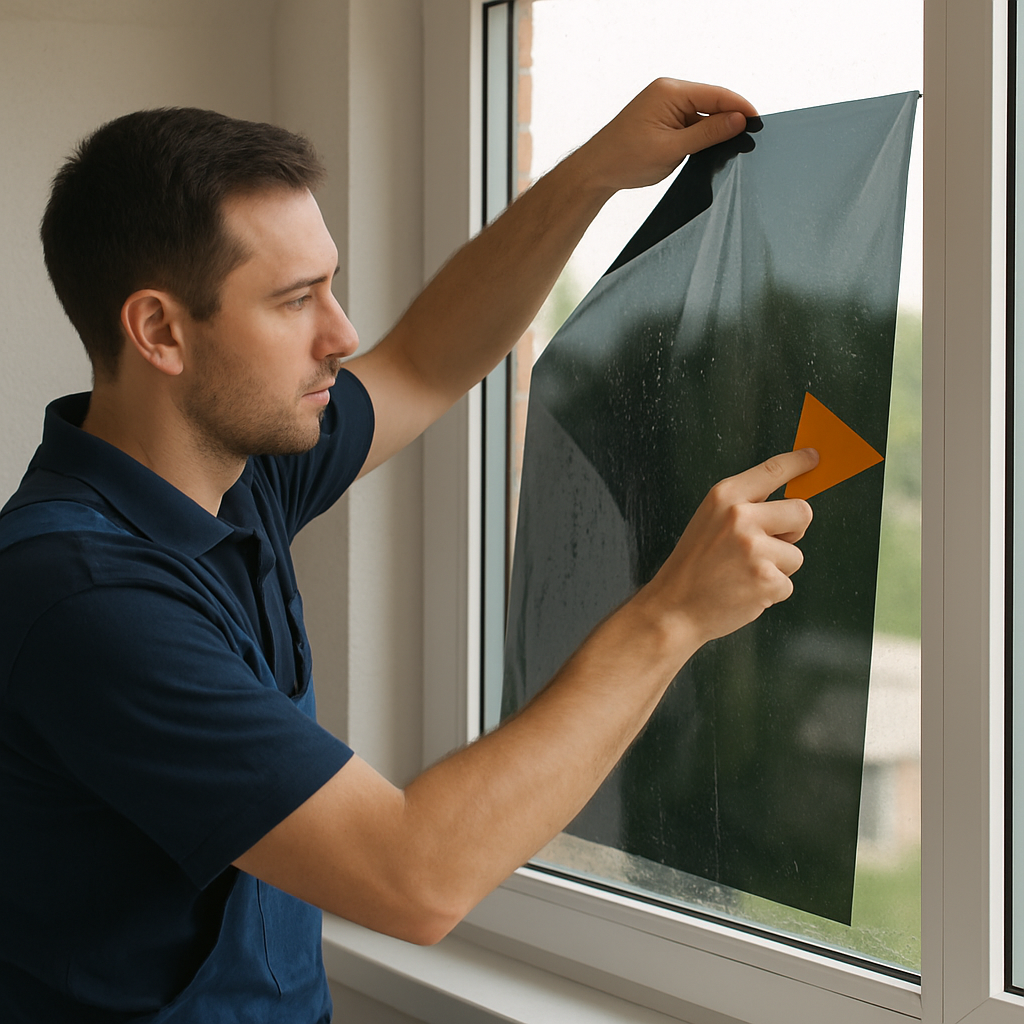
While some homeowners may opt for DIY installation, hiring a professional ensures a precise and flawless application. Professional installers have the expertise to handle the film without causing bubbles or creases, providing a smooth and seamless finish. If you’re considering expert help, read this guide on professional window film installation.

Maintenance and Durability

Blackout window film is low maintenance and highly durable. It can last for many years without needing replacement, making it a cost-effective investment for your home. Regular cleaning with mild soap and water is usually sufficient to keep it looking new.

Conclusion

In summary, blackout window film offers numerous benefits for homeowners seeking privacy, energy efficiency, and protection from UV rays. While you cannot see through it during the day or night, its opaque nature makes it an excellent choice for enhancing privacy and comfort in your living spaces. Whether you’re an interior designer looking for stylish solutions or a homeowner seeking practical improvements, blackout window film is a versatile option that delivers on both aesthetics and functionality.

By understanding the unique advantages of blackout window film, you can make informed decisions that enhance your home’s appeal and efficiency. Consider consulting with a professional installer to explore the best options for your specific needs and ensure a perfect application that elevates your home’s design.

Categories
Window Tint and Film

Understanding VLT Levels in Window Tinting for Homes

# Understanding VLT Levels in Window Tinting for Homes

When it comes to enhancing your home’s comfort and energy efficiency, window tinting is a popular option. Not only does it offer an added layer of privacy and protection from harmful UV rays, but it also contributes to energy savings. A key factor in choosing the right window tint is understanding the Darkness levels and VLT% options. In this article, we’ll explore what VLT levels mean, why they matter, and how to select the best window tint percentage for your home.

What Are VLT Levels in Window Tinting?

Visible Light Transmission (VLT) refers to the amount of visible light that passes through a window film. It is expressed as a percentage. For example, a window film with a VLT of 20% will allow 20% of visible light to pass through, blocking the remaining 80%. The lower the VLT percentage, the darker the tint.

Importance of VLT Levels

Understanding VLT levels is essential for several reasons:

  1. Privacy: Lower VLT levels offer more privacy by reducing visibility from the outside.
  2. Glare Reduction: Tinting with lower VLT levels can significantly decrease glare from the sun, enhancing comfort.
  3. Energy Efficiency: By blocking more light, window films with lower VLT levels can help reduce heat gain, leading to lower cooling costs.
  4. Aesthetics: Different VLT levels can change the appearance of your windows, impacting the overall look of your home.

Choosing the Right Window Tint Percentage

Selecting the appropriate window tint percentage depends on several factors, including your privacy needs, energy efficiency goals, and local regulations.

Privacy Needs

If privacy is your top priority, consider window tints with a lower VLT percentage. A film with a VLT of 15% to 25% is often recommended for those looking to enhance privacy while still allowing some natural light in.

Energy Efficiency Goals

For homeowners focused on reducing energy costs, selecting a window tint with a lower VLT can help. Films with a VLT of 25% to 35% are effective in blocking a significant amount of heat, thus reducing reliance on air conditioning. According to the U.S. Department of Energy, window films can significantly reduce solar heat gain and improve indoor comfort.

Local Window Tint Regulations

Checking window tint regulations in a home office

Before installing window tint, it’s crucial to check local regulations. Some areas have laws dictating the minimum VLT levels allowed for residential properties. These regulations ensure that homes receive adequate natural light while maintaining safety standards. You can review glazing and light transmission standards through resources such as the National Research Council Canada building codes.

Aesthetic Considerations

The appearance of your home can be significantly influenced by the window tint you choose. A lower VLT will give a sleek, modern look, while a higher VLT provides a more traditional appearance. Consider how the tint will complement your home’s design.

Benefits of Window Tinting in Homes

Enhanced Comfort and Privacy

Window tinting allows you to enjoy greater comfort by reducing glare and maintaining privacy. It also creates a more inviting atmosphere by controlling the amount of natural light entering your space.

UV Protection

Window films block up to 99% of harmful UV rays, protecting your furniture, flooring, and artwork from fading. This protection helps preserve the value and appearance of your interior spaces.

Energy Efficiency and Cost Savings

By reducing heat gain, window tinting lowers the need for air conditioning, resulting in energy savings. This not only benefits the environment but also reduces your utility bills.

Increased Safety

In the event of a window breakage, window films help hold shattered glass together, reducing the risk of injury. This feature adds an extra layer of safety for your family.

How to Install Window Tint

Professional installing window tint in a living room

by Yifei Wong

While it is possible to install window tint yourself, hiring a professional ensures a flawless application. Professionals have the experience and tools needed to install the film without bubbles or creases.

DIY Installation Tips

If you choose to install window tint yourself, here are some tips to ensure success:

  • Clean the Windows Thoroughly: Dirt and dust can cause bubbles under the film.
  • Measure and Cut Carefully: Accurate measurements and precise cutting prevent gaps and overlaps.
  • Use a Squeegee: This tool helps smooth out the film and remove any air bubbles.

Professional Installation

For those who prefer a hassle-free experience, professional installation is the way to go. Professionals can recommend the best products for your needs and ensure a perfect finish. They also typically offer warranties on their work, providing peace of mind.

Conclusion

Understanding VLT levels in window tinting is crucial for making an informed decision that meets your home’s needs. Whether your focus is on privacy, energy efficiency, or aesthetics, choosing the right window tint percentage can transform your living space. By considering the factors outlined in this article, you can enjoy the numerous benefits of window tinting while enhancing your home’s comfort and style.

Remember, whether you decide to go DIY or hire a professional, ensuring compliance with local regulations is essential for a successful window tinting project. With the right choice, your home will be a more comfortable, energy-efficient, and stylish place to live.