In this article, we’ll explore the right way to use privacy glass film, uncovering its benefits and providing practical guidance for successful installation. By the end, you’ll have a comprehensive understanding of how to choose the right film for your needs and how to apply it effectively to achieve a professional look.
Privacy glass film is a thin layer of material that can be applied to glass surfaces. It’s designed to obscure visibility while still allowing natural light to enter a room. This makes it a perfect choice for those who want to maintain brightness without compromising on privacy. The film is typically made from polyester or vinyl, which ensures durability while being easy to handle during application.
The versatility of privacy glass film is one of its standout features. It can be used on windows, glass doors, and even glass partitions, making it ideal for both residential and commercial applications. Whether you’re aiming to add a decorative touch or simply want to obscure a view, there’s a privacy film to meet your needs.
Types of Privacy Window Film
There are several types of privacy window films to choose from, each offering unique benefits:
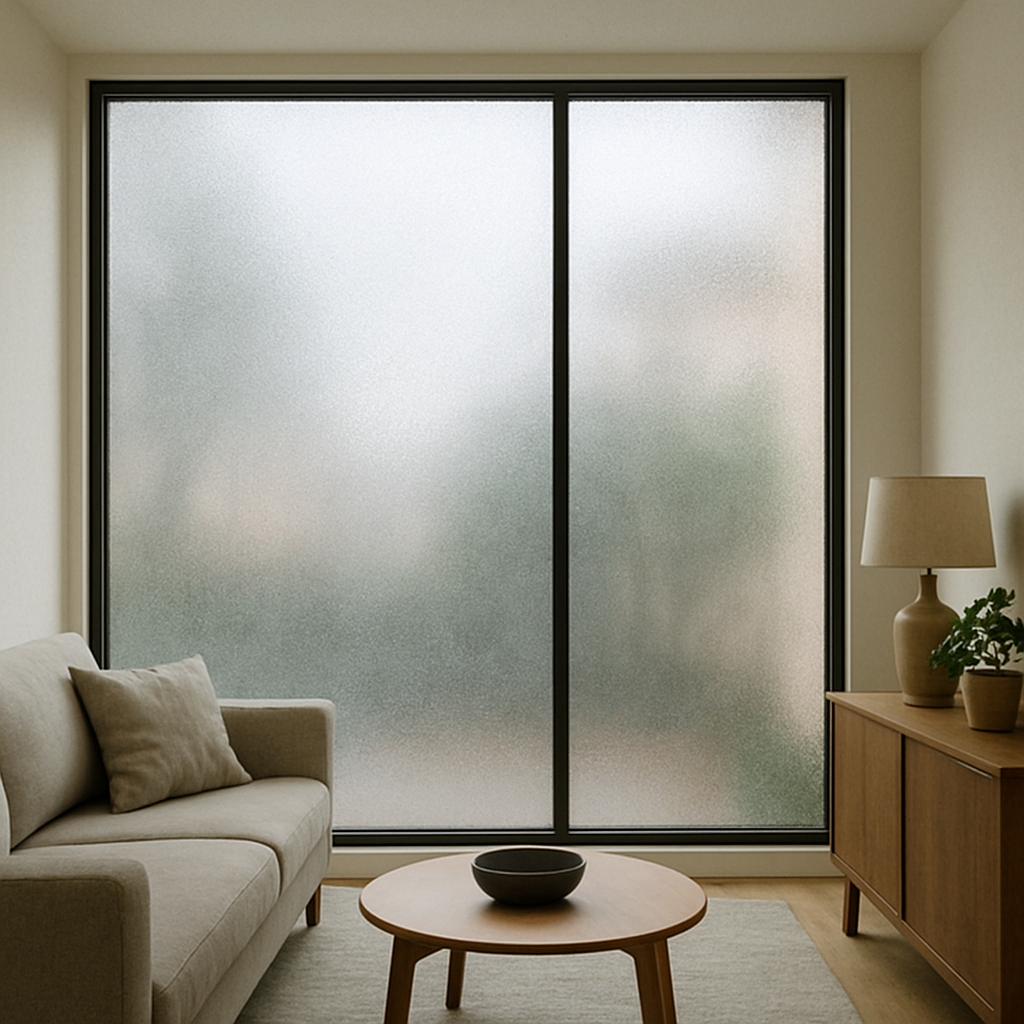
- Frosted Film: Provides a translucent appearance, allowing light to pass through while obscuring visibility. Ideal for bathrooms and office spaces, frosted films offer a classic look that suits a variety of decor styles. They provide a balance between privacy and light transmission, making them popular in shared environments.
- Reflective Film: Often used for exterior windows, this film reflects sunlight and offers a mirrored appearance from the outside during the day. Reflective films are particularly useful for reducing glare and enhancing privacy from the outside, while still allowing those inside to enjoy the view.
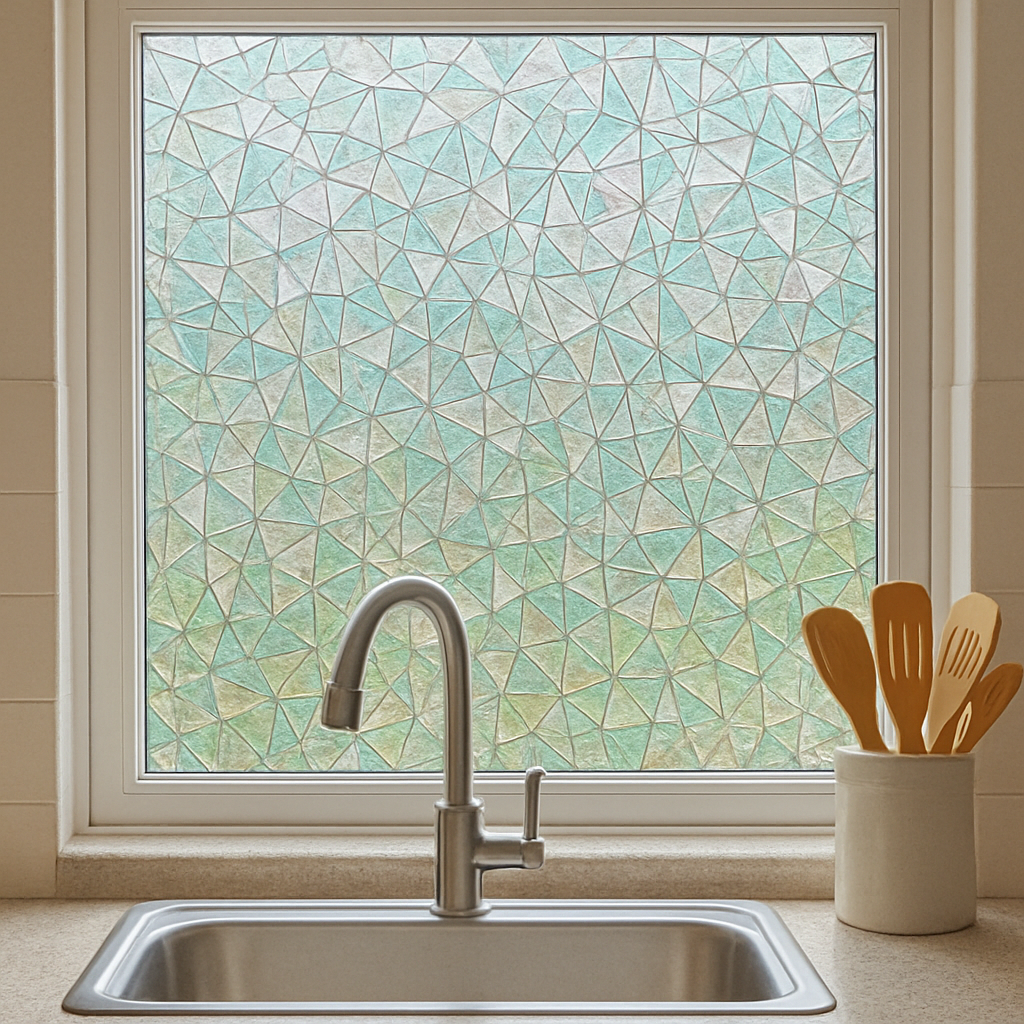
- Decorative Film: Available in a variety of patterns and designs, decorative glass film adds a touch of style to any room. Perfect for adding character to plain glass surfaces, these films can mimic the look of etched or stained glass without the associated costs. They offer endless possibilities for customization, allowing for personal expression in any space.
- Blackout Film: Completely blocks visibility and light, providing maximum privacy. Suitable for bedrooms or spaces where you need complete darkness, blackout films are also effective in reducing energy costs by minimizing heat transfer through windows.
Benefits of Using Privacy Glass Film
Privacy glass film offers numerous benefits, making it an appealing choice for both residential and commercial spaces. It combines functionality with aesthetic appeal, offering a simple yet effective solution for various privacy and design challenges.
Enhances Privacy
As the name suggests, privacy window film is primarily used to increase privacy. Whether it’s for a bathroom window or a conference room, it provides a simple solution to prevent prying eyes without installing heavy curtains or blinds. The film is especially beneficial in urban areas where buildings are close together and privacy can be a challenge.
In addition to providing privacy, these films can also be used strategically to create private zones within open-plan spaces. They allow for the creation of quiet areas in busy environments, such as offices or homes with large families, without sacrificing light or space.
Improves Aesthetic Appeal
Available in a wide range of designs and finishes, privacy window film can significantly enhance the appearance of your glass surfaces. Decorative films, in particular, offer an opportunity to personalize and add flair to any space. They can be used to complement existing decor or to introduce new design elements that refresh and revitalize a room.
Moreover, privacy films can be used to hide unsightly views or imperfections in glass surfaces. By choosing a film with a pattern or design, you can transform a plain or flawed glass pane into a stylish feature that enhances the overall look of your space.
Energy Efficiency
Reflective and tinted privacy films can reduce heat gain and block harmful UV rays, contributing to improved energy efficiency. By keeping your home cooler in the summer and reducing glare, these films can help lower energy bills. They also protect interiors from fading due to sunlight exposure, preserving the appearance of furniture, flooring, and artwork.
In colder months, some privacy films also offer insulation benefits by reducing heat loss through windows. This dual functionality makes them an attractive option for homeowners looking to improve comfort and reduce energy consumption year-round.
Easy to Install and Remove
One of the significant advantages of privacy glass film is its ease of installation. It can be applied without the need for professional help, and when it’s time for a change, it can be removed without leaving any residue. This makes it a flexible option for renters or those who like to frequently update their decor.
Additionally, the non-permanent nature of privacy film means you can experiment with different styles and designs without committing to a long-term change. This flexibility allows for seasonal updates or temporary privacy solutions during renovations or events.
How to Choose the Right Privacy Window Film
Choosing the right privacy window film involves considering several factors to ensure it meets your needs and complements your space.
Consider the Purpose
Before selecting a privacy film, think about the primary reason for its use. Are you looking to increase privacy, enhance aesthetics, or improve energy efficiency? Your goals will guide your choice of film. For example, if privacy is your main concern, frosted or blackout films may be most suitable, while decorative films are ideal for those looking to make a design statement.
It’s also important to consider whether the film needs to provide one-way privacy, where you can see out but others can’t see in, or if complete privacy is required from both sides. Understanding your specific needs will help narrow down the options.
Assess the Space
Consider the room’s current design and the amount of light it receives. Decorative films can complement existing décor, while blackout films may be more suitable for rooms where light control is crucial. Evaluate whether the film will be used in a high-traffic area, which might necessitate a more durable option.
Additionally, take into account the color scheme and style of the room. A well-chosen film can enhance the overall aesthetic, adding depth and interest. For spaces that require a more subtle approach, opt for films that blend seamlessly with existing elements.
Quality Matters
Invest in high-quality film from reputable manufacturers. Quality films are more durable, offer better performance, and are less likely to fade or bubble over time. Cheaper films might save money upfront, but they often require more frequent replacement and may not provide the same level of privacy or energy efficiency.
When possible, read reviews and seek recommendations from others who have used privacy films. This can provide insight into the longevity and performance of various products, helping you make an informed decision.
Installing Privacy Glass Film

by Maryam F. (https://unsplash.com/@encoreunemaryam)
Installing privacy glass film is a straightforward process that requires minimal tools. Here’s a step-by-step guide to help you achieve a professional finish. With careful preparation and attention to detail, you can apply the film effectively, even if it’s your first time.
Gather Your Tools
- Privacy glass film of your choice
- Spray bottle filled with soapy water
- Squeegee or credit card
- Utility knife
- Tape measure
- Cleaning cloth
Having the right tools on hand will make the installation process smoother and more efficient. Ensure that your spray bottle delivers a fine mist, as this will help in achieving a bubble-free application.
Clean the Glass Surface
Before applying the film, ensure the glass surface is clean and free from dust, dirt, or grease. Use a glass cleaner and a lint-free cloth to achieve a spotless finish. Thorough cleaning is crucial, as any dirt or residue can cause bubbles or prevent the film from adhering properly.
Pay special attention to the edges and corners of the glass, as these areas are prone to collecting dust. A meticulous cleaning will contribute to the overall success of the installation, ensuring the film looks smooth and professional once applied.
Measure and Cut the Film
Measure the dimensions of the glass surface you intend to cover. Cut the film slightly larger than the glass to allow for adjustments during application. Precise measuring is essential to avoid waste and ensure a perfect fit.
When cutting the film, use a sharp utility knife and a straight edge to achieve clean, straight lines. This will make the application process easier and help in achieving a seamless finish along the edges.
Apply the Film
- Spray the glass surface with soapy water. This allows you to position the film easily and remove any air bubbles.
- Peel the backing off the film and place it on the wet glass surface. Adjust the film to the desired position.
- Use a squeegee or credit card to smooth out any bubbles, starting from the center and working towards the edges.
- Trim any excess film using a utility knife for a neat finish.
The soapy water acts as a lubricant, giving you time to adjust the film before it adheres permanently. Be patient and work slowly, ensuring all bubbles are removed for a clean application.
Allow to Set
Leave the film to set for at least 24 hours. Avoid cleaning the surface or exposing it to moisture during this time. The setting period allows the adhesive to bond fully with the glass, ensuring a long-lasting application.
During this time, avoid touching or moving the film, as this could disturb its alignment or create bubbles. Once set, the film will provide a durable and attractive finish that enhances your space.
Maintenance and Care
Once installed, privacy glass film requires minimal maintenance. To keep it looking its best, clean it with a soft cloth and a mild window cleaner. Avoid abrasive materials that could scratch or damage the film. Regular cleaning will help maintain the film’s appearance and performance over time.
If you notice any peeling or bubbling, address these issues promptly to prevent further damage. Proper care will extend the life of your film, ensuring it continues to provide privacy and style for years to come.
Final Thoughts
Privacy glass film is a versatile and stylish solution for enhancing privacy, improving aesthetics, and boosting energy efficiency. By understanding the different types of films available and following best practices for installation, you can transform your glass surfaces with ease. Whether you’re an interior designer seeking cost-effective solutions for your clients or a homeowner looking to upgrade your space, privacy window film offers an innovative approach to window treatment.
By considering the purpose, assessing the space, and choosing quality materials, you’ll ensure a successful installation that meets your needs and enhances your living environment. With the right film and proper installation, privacy glass film can become a valuable addition to any home or office, offering both practical benefits and an opportunity to showcase your personal style.
::contentReference[oaicite:0]{index=0}