In today’s world, privacy is a priority for homeowners and interior designers alike. One of the most effective ways to ensure privacy, especially at night, is by using window films. But with so many options available, how do you know which window films actually work? This comprehensive guide will shed light on the best types of window films for privacy and how they can transform your living space while maintaining a stylish appearance.
Window films are thin layers of polyester or vinyl applied directly to glass surfaces. They come in various styles and serve multiple functions, from blocking UV rays to enhancing privacy. When it comes to privacy at night, not all films are created equal. It’s crucial to choose the right one based on your specific needs and preferences.
Types of Window Films for Privacy
- Frosted Window Film
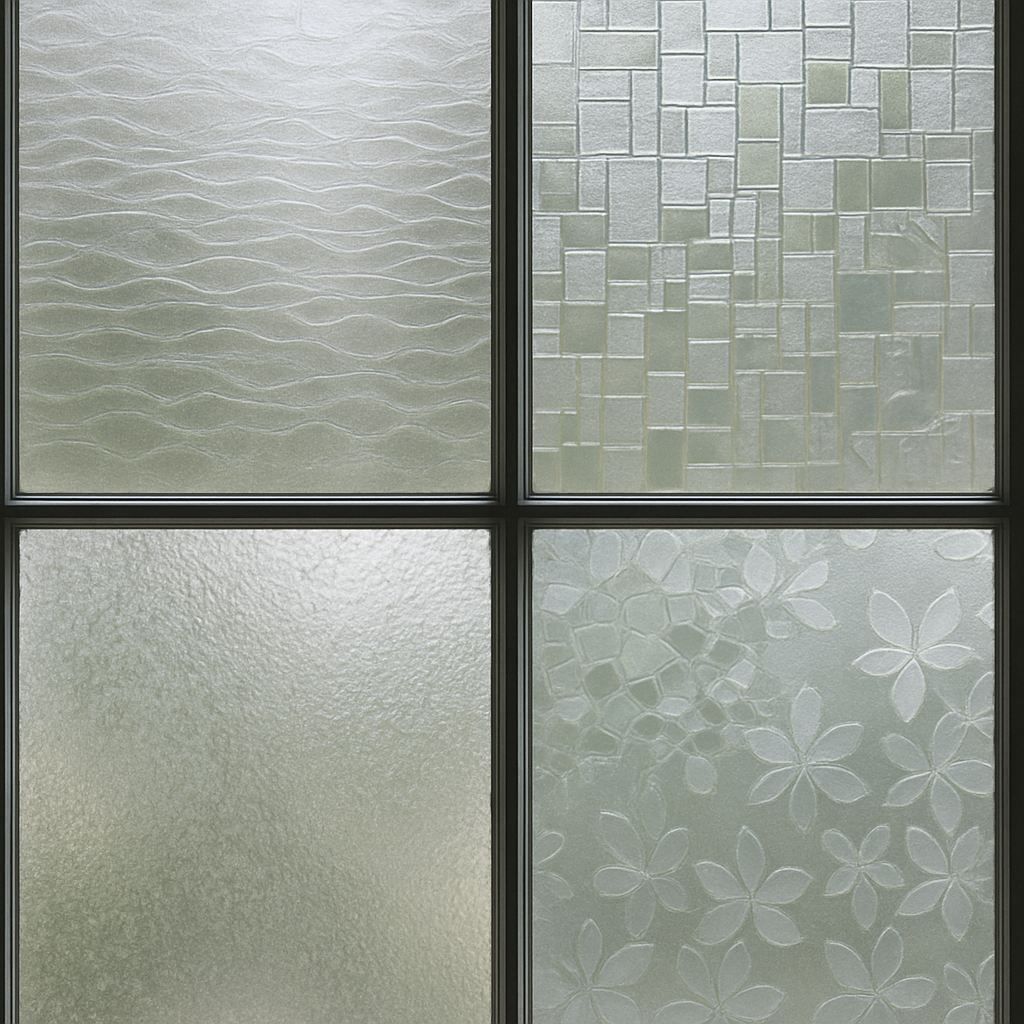
Frosted window films offer a translucent appearance, allowing light to pass through while obscuring the view from both inside and outside. This makes them ideal for rooms that require privacy without compromising natural light, such as bathrooms and bedrooms.
- Reflective Window Film
Reflective window films are metallic-coated films that reflect light, providing a mirror-like appearance during the day. However, their privacy effect diminishes at night when interior lights are on, as the reflective properties work best with sunlight.
- Blackout Window Film
For total privacy, blackout window films are the way to go. These films completely block out light and view, ensuring no one can see in or out. They are perfect for areas where privacy is a must, such as home theaters or nurseries.
- Decorative Window Film
Decorative window films are designed to enhance the aesthetic appeal of a space while providing a certain degree of privacy. They come in various patterns and designs, allowing you to match them with your interior decor. While they offer some privacy, the level varies depending on the design and opacity.
Factors to Consider When Choosing Window Films
When selecting the best privacy window film for house, consider the following factors:
Light Transmission
Consider how much natural light you want to allow into the room. Frosted and decorative films generally permit more light compared to blackout films.
Privacy Level
Identify how much privacy you need. If it’s a high-priority area, like a bathroom, you might opt for frosted or blackout films. For living rooms, decorative films might suffice, providing a balance between privacy and style.
Aesthetic Appeal
Window films can enhance the overall look of a room. Choose a design that complements your interior decor while serving its functional purpose.
Installation and Maintenance
Evaluate whether you want a DIY installation or professional help. Some films are easier to install, and most require minimal maintenance, involving just occasional cleaning with non-abrasive solutions.
Benefits of Using Window Films for Privacy
Window films do more than just offer privacy. Here are some additional benefits:
Energy Efficiency
Many window films, especially reflective ones, can help reduce energy costs by blocking UV rays and regulating indoor temperatures. This can be a significant advantage for homeowners looking to improve energy efficiency. According to the U.S. Department of Energy, certain window films can significantly reduce heat gain and improve insulation performance.
UV Protection
Window films provide protection from harmful UV rays, preventing fading of furniture, flooring, and artwork. This is particularly beneficial in rooms with large windows that receive direct sunlight. The Environmental Protection Agency (EPA) notes that limiting UV exposure indoors can help reduce long-term damage to materials and skin.
Cost-Effectiveness
Compared to other window treatments, films are often more affordable and easier to install, making them a cost-effective solution for enhancing privacy and aesthetics.
Versatility
With a wide range of styles and designs, window films can be tailored to meet various needs and preferences, making them a versatile choice for any room.
Real-World Applications: Interior Designer Insights

by Sam Moghadam (https://unsplash.com/@sammoghadam)
Interior designers often face the challenge of finding solutions that are both functional and stylish. Window films offer a practical solution that doesn’t sacrifice design. For instance, in a minimalist home, frosted films can provide privacy without cluttering the aesthetic. Meanwhile, decorative films can add a unique touch to a modern living space.
Case Study: Transforming a Client’s Living Space
An interior designer was tasked with updating a client’s downtown apartment. The client wanted more privacy without losing the stunning city views. The designer chose reflective window films for the living room, allowing for daytime privacy and UV protection. In the bedrooms, frosted films were applied to maintain privacy while letting in natural light. This combination provided the desired privacy with a stylish, cohesive look throughout the apartment.
Installation Tips for Window Films
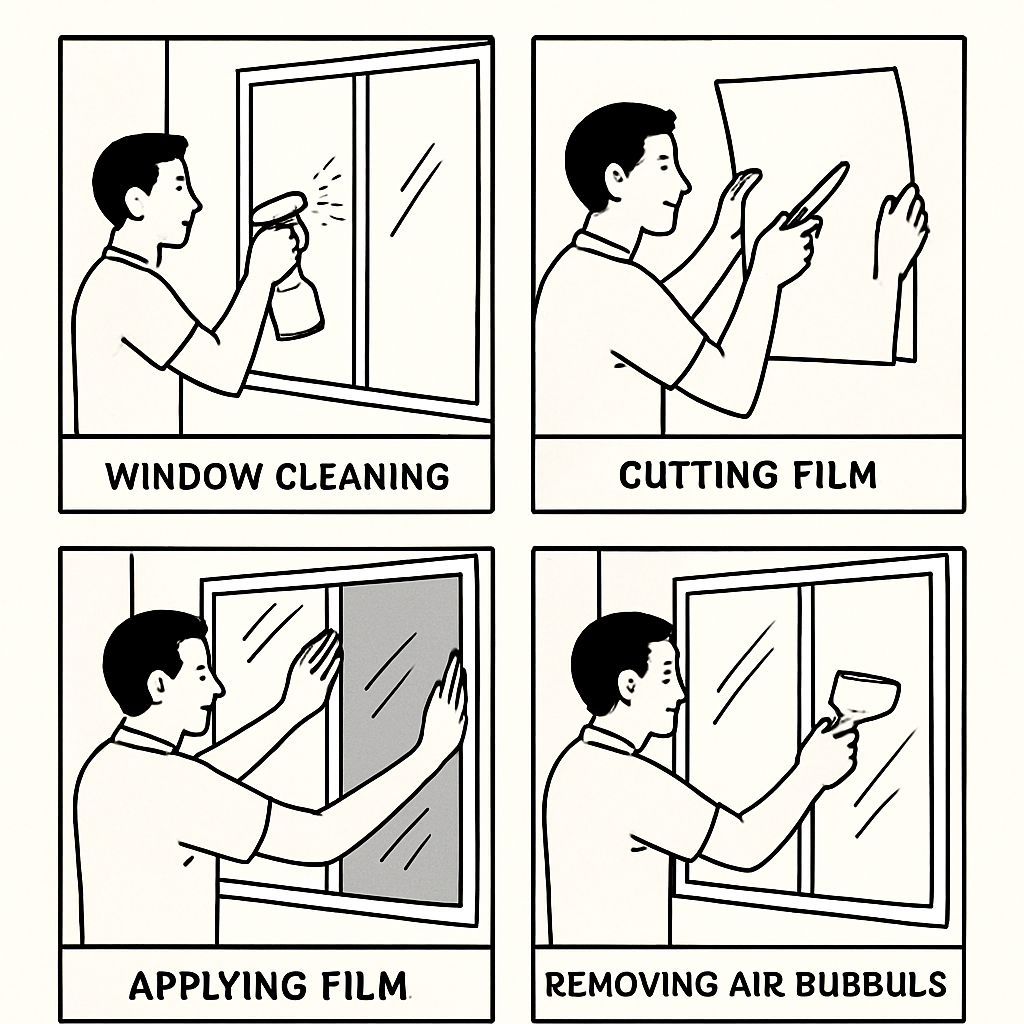
For those considering a DIY approach, here are some tips for a successful window film installation:
- Clean the Windows Thoroughly: Ensure windows are clean and free of dust or debris before applying the film. This will ensure a smooth application and prevent bubbles.
- Measure and Cut Accurately: Measure the windows precisely and cut the film slightly larger than the glass. You can trim the excess after application.
- Apply with Care: Use a spray bottle with a soapy water solution to wet the window and film before application. This allows you to slide the film into the perfect position.
- Smooth Out Bubbles: Use a squeegee to remove any air bubbles, working from the center outward.
- Trim Excess Film: Once the film is securely in place, carefully trim any excess with a sharp utility knife.
Conclusion
Choosing the right window film for privacy at night involves considering your specific needs, the level of privacy desired, and aesthetic preferences. Window films not only enhance privacy but also offer energy efficiency, UV protection, and style. Whether you are an interior designer seeking to offer clients innovative solutions or a homeowner looking to improve your living space, window films provide a practical and stylish option.
By selecting and installing the right window film, you can enjoy enhanced privacy, energy savings, and a beautiful interior environment tailored to your needs.