Categories
Window Tint and Film

The Right Way to Use Translucent Window Film

In the realm of home improvement and interior design, translucent window film has gained popularity as a versatile solution for enhancing privacy and aesthetics. Whether you’re an interior designer seeking to offer stylish options to your clients or a homeowner looking to improve your living space, understanding how to use translucent window film effectively can make a significant difference.

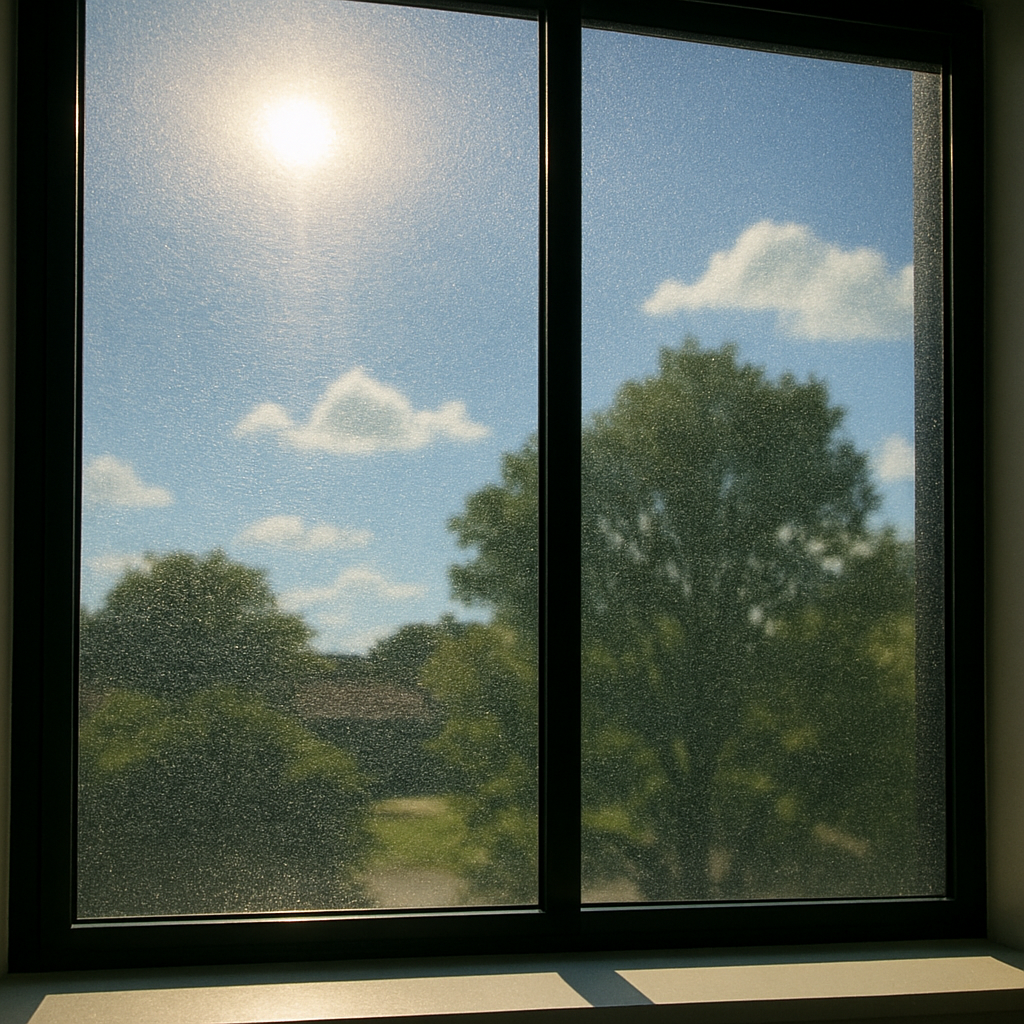
Translucent window film, often referred to as privacy window film, is a thin layer of material applied to glass surfaces. It allows light to pass through while obscuring the view from the outside. This makes it an ideal solution for spaces where privacy is important but natural light is still desired. If you’re new to this solution, you can learn more about window films here.

Key Benefits of Translucent Window Film

Translucent window film offers a variety of benefits that make it an attractive choice for both residential and commercial spaces.

  1. Privacy Without Sacrificing Light: Unlike curtains or blinds, translucent window film provides privacy without completely blocking out light. This helps maintain a bright and airy atmosphere in any room.
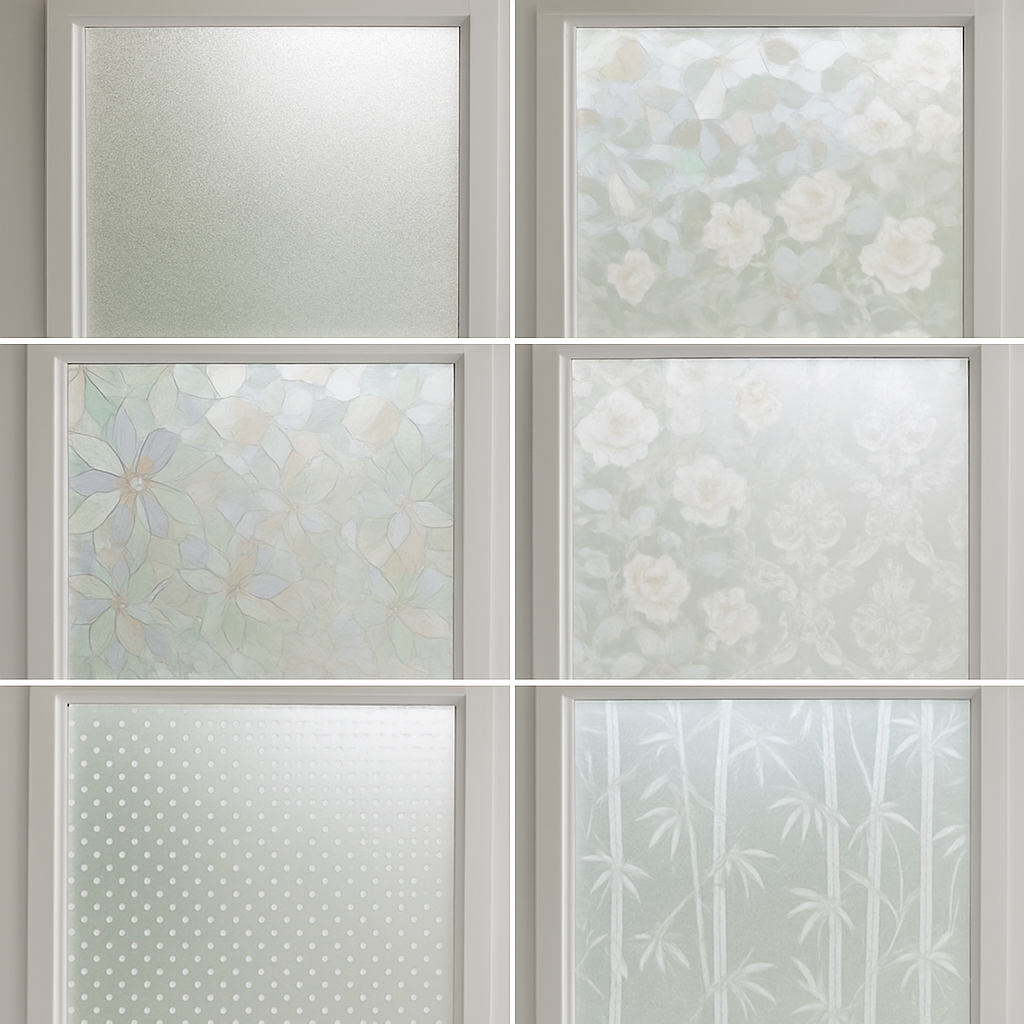
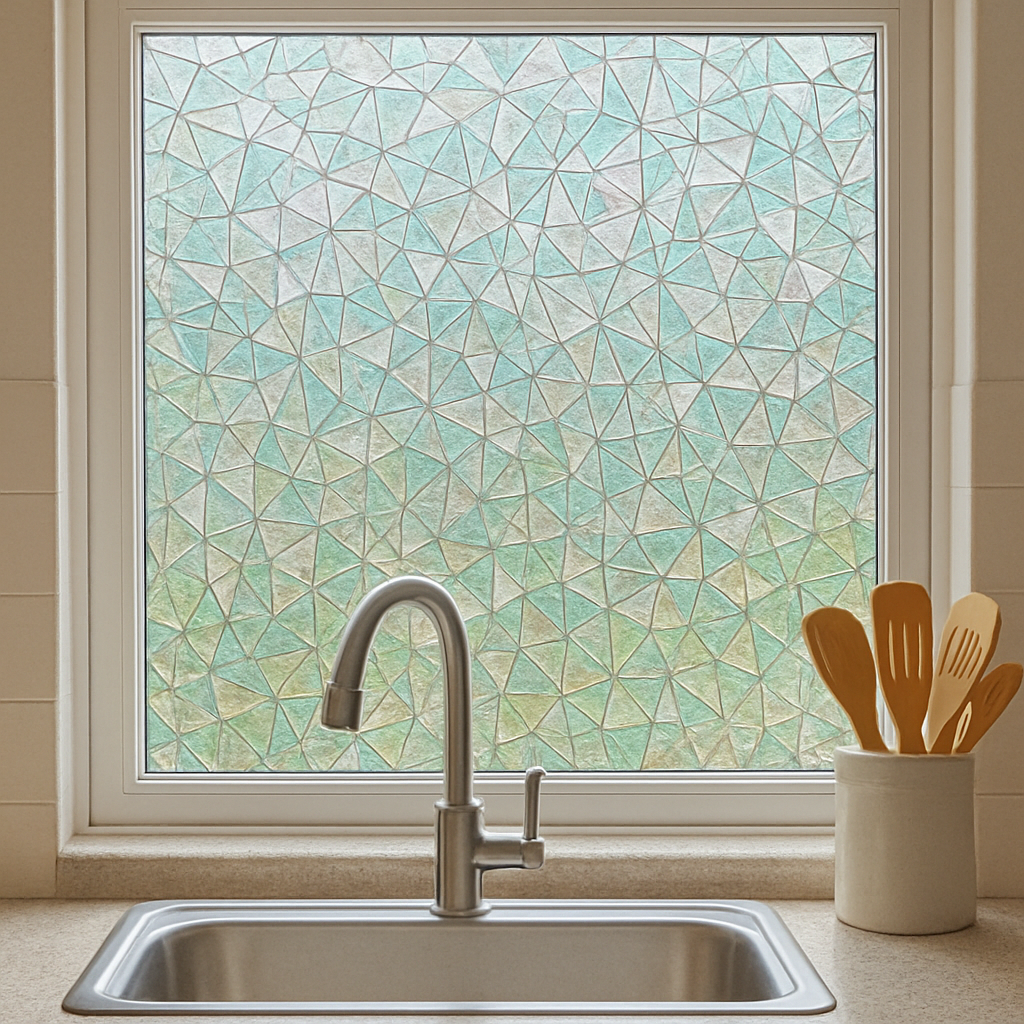
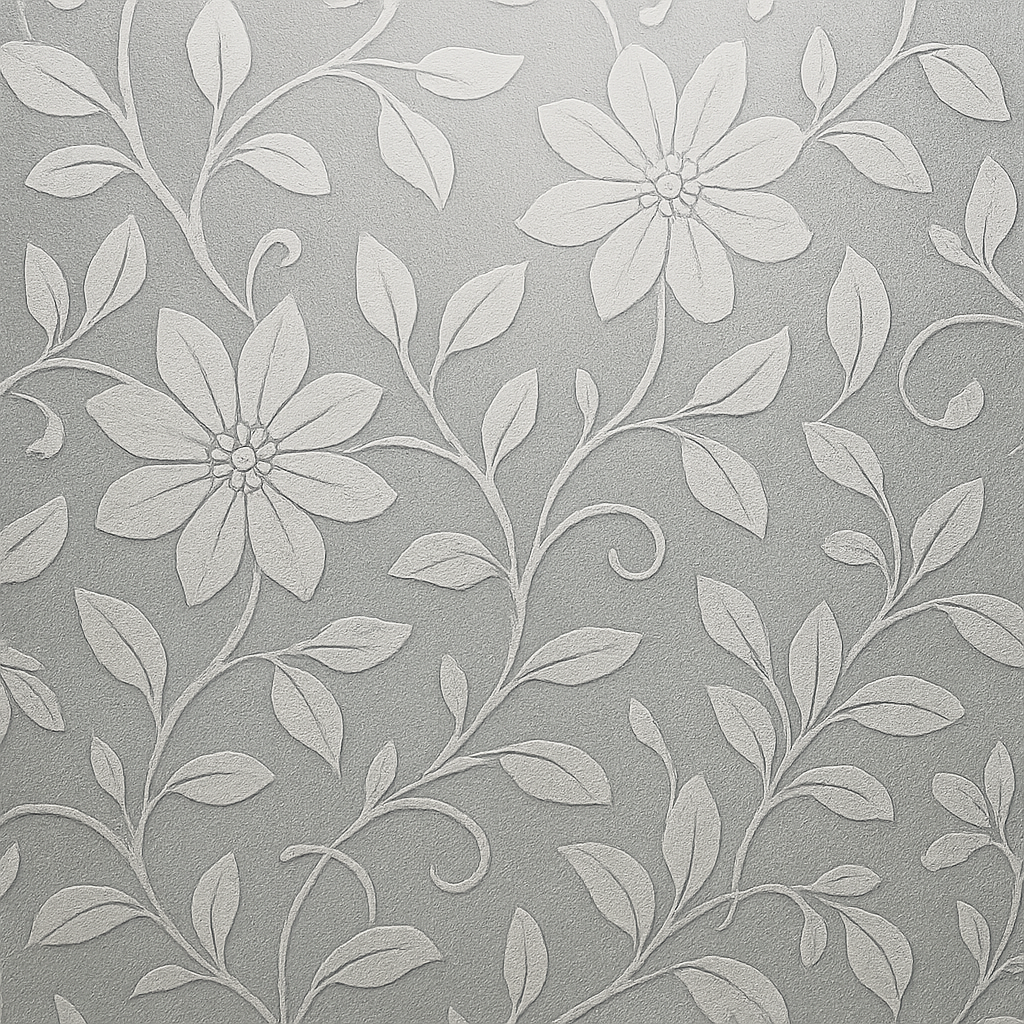
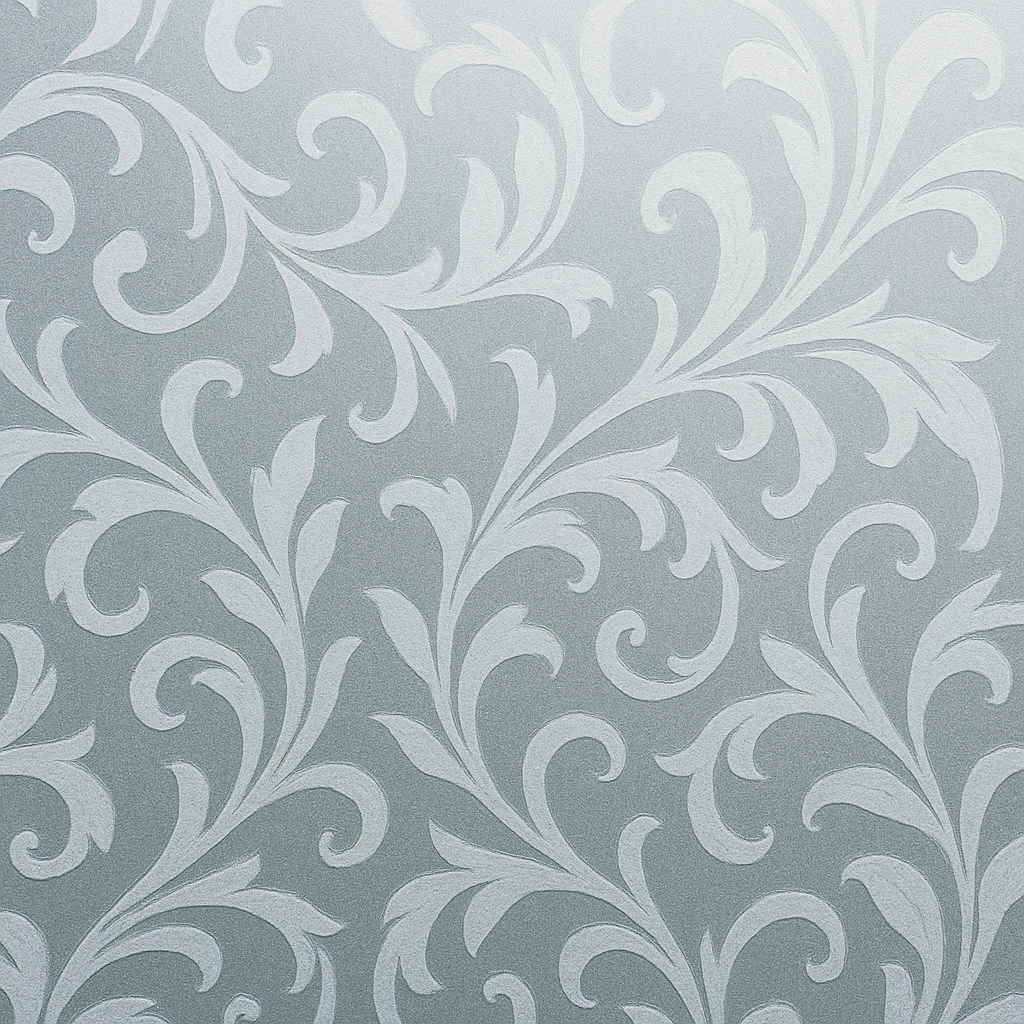
  2. Aesthetic Appeal: Available in various designs and patterns, translucent window film can enhance the visual appeal of a space. Whether you prefer a frosted look or intricate patterns, there’s a style to suit every taste.
  3. Energy Efficiency: By reducing the amount of heat entering a room, window privacy film can contribute to lower energy bills. It helps keep interiors cooler in the summer and warmer in the winter. According to the U.S. Department of Energy, properly selected window films can significantly improve energy performance.
  4. UV Protection: Translucent window film can block harmful UV rays, protecting your furnishings and flooring from fading over time. The Environmental Protection Agency (EPA) highlights the importance of UV protection in reducing long-term sun damage. You can also explore UV-blocking window films to better understand how this protection works.
  5. Cost-Effective Solution: Compared to replacing windows or installing other privacy solutions, window film is a budget-friendly option that delivers excellent results.

Where to Use Translucent Window Film

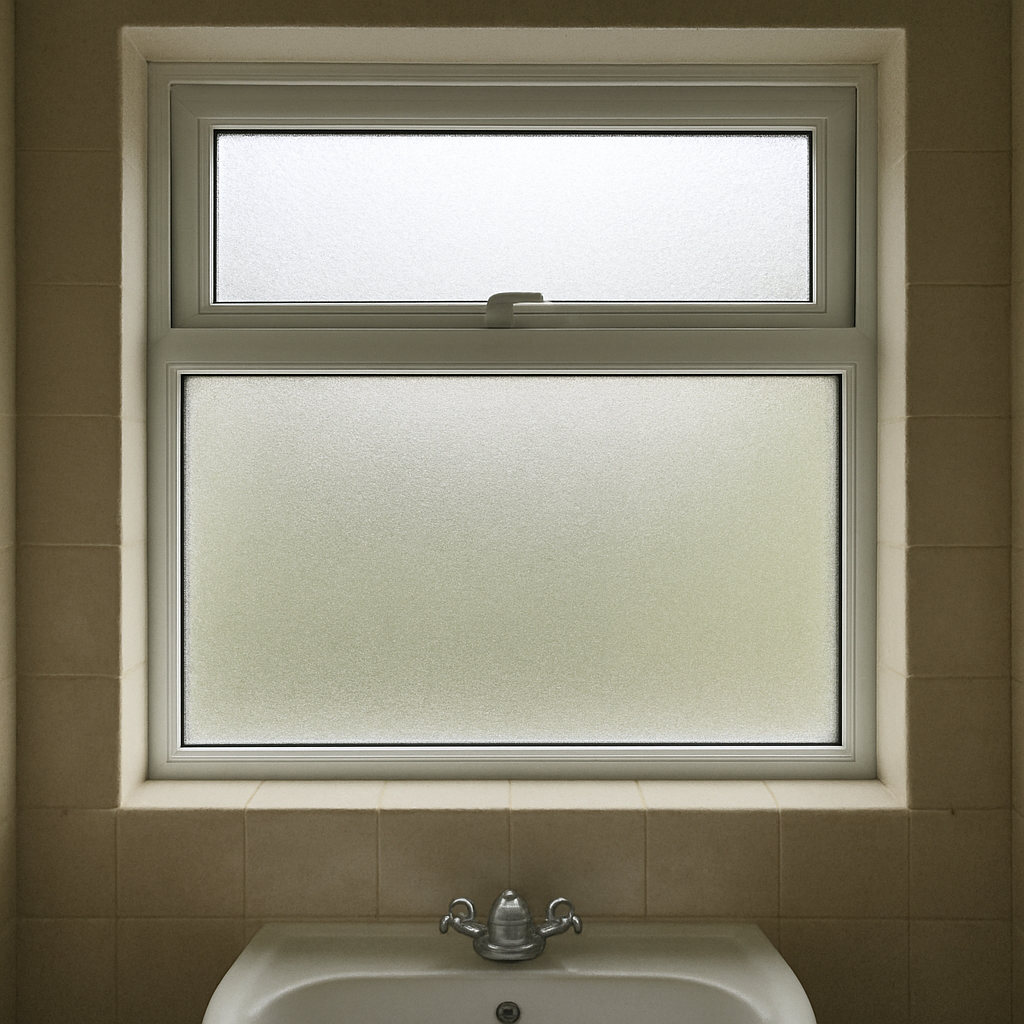
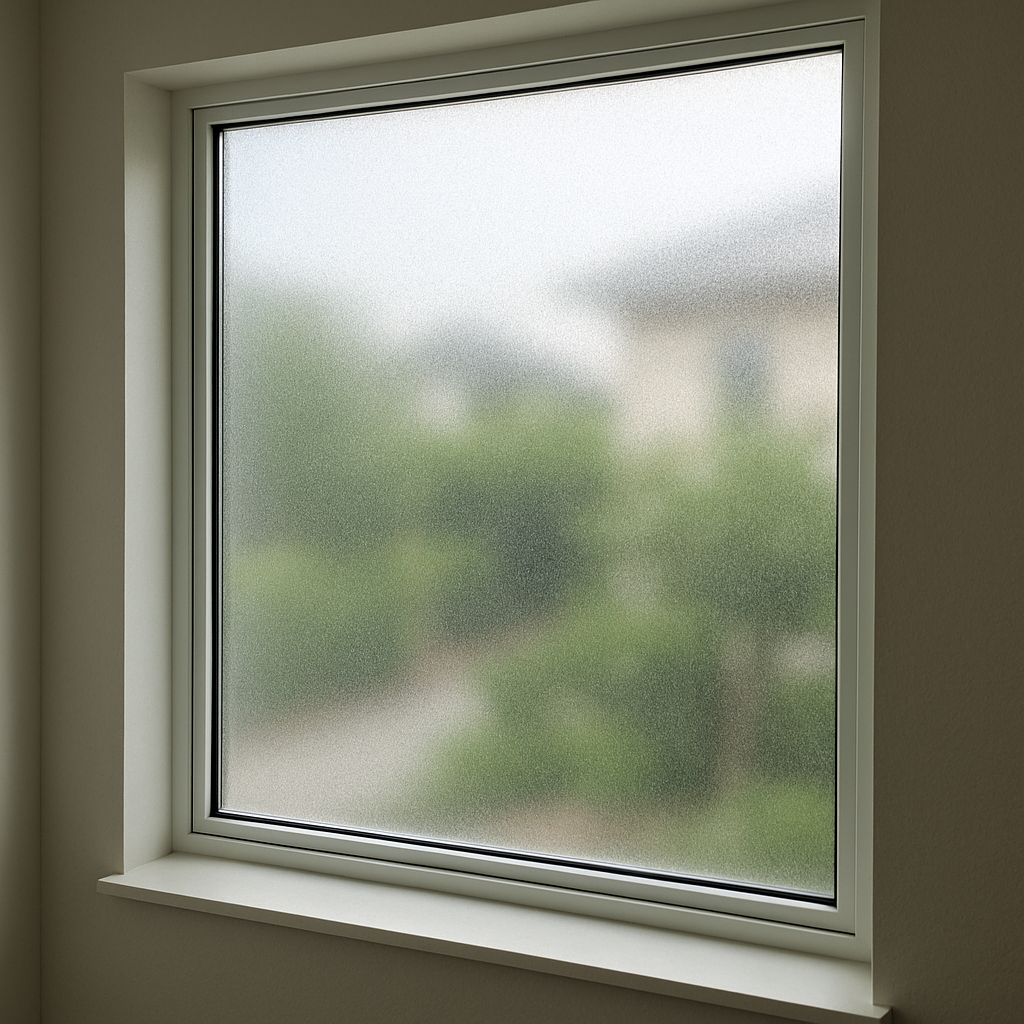
Bathroom window with privacy film

When considering where to apply translucent window film, it’s essential to identify spaces that require privacy or enhanced aesthetics. Here are some common areas where window privacy film can be particularly beneficial:

Residential Spaces

  1. Bathrooms: Privacy is paramount in bathrooms. Applying translucent window film on bathroom windows ensures seclusion without compromising on natural light.
  2. Bedrooms: For bedrooms located on the ground floor or facing busy streets, privacy window film provides the necessary seclusion while maintaining a pleasant ambiance.
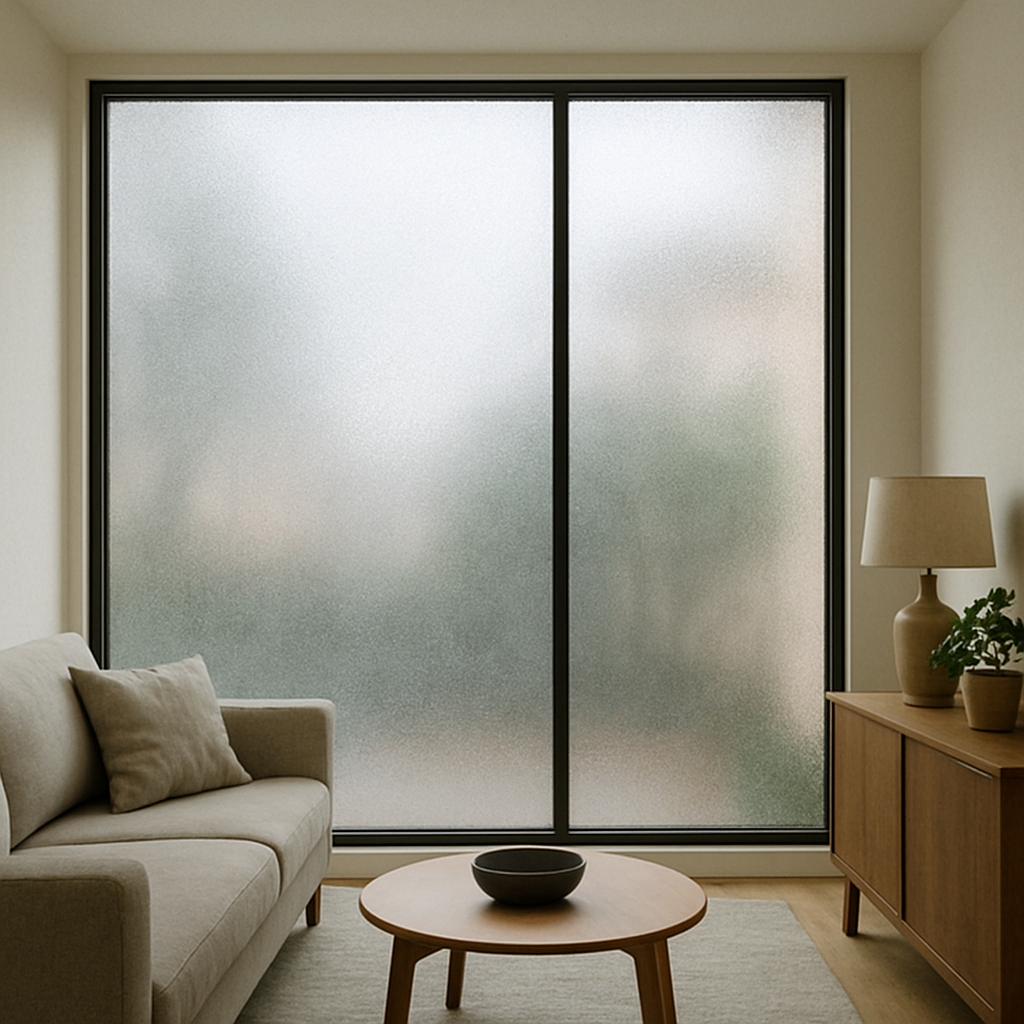
  3. Living Rooms: In living rooms with large windows, window film can add a touch of elegance and style. It’s an excellent choice for open-plan homes where privacy is still a consideration.

Commercial Spaces

  1. Office Partitions: In open-plan office environments, translucent window film can be used on glass partitions to create private meeting areas without blocking light.
  2. Retail Stores: Storefronts can benefit from window film by showcasing products while maintaining privacy for the interior space.
  3. Restaurants and Cafes: Establishments can use window film to create a cozy and inviting atmosphere, shielding diners from prying eyes while still offering an open feel.

How to Install Translucent Window Film

Installing translucent window film is a straightforward process that can often be completed as a DIY project. However, for larger or more complex applications, professional installation may be advisable. If you’re considering expert help, you can learn more about professional window film installation.

Steps for DIY Installation

  1. Clean the Glass Surface: Begin by thoroughly cleaning the window to remove any dirt, dust, or grease. This ensures a smooth application and prevents bubbles or imperfections.
  2. Measure and Cut the Film: Measure the dimensions of the window and cut the film accordingly, leaving a small margin for adjustments.
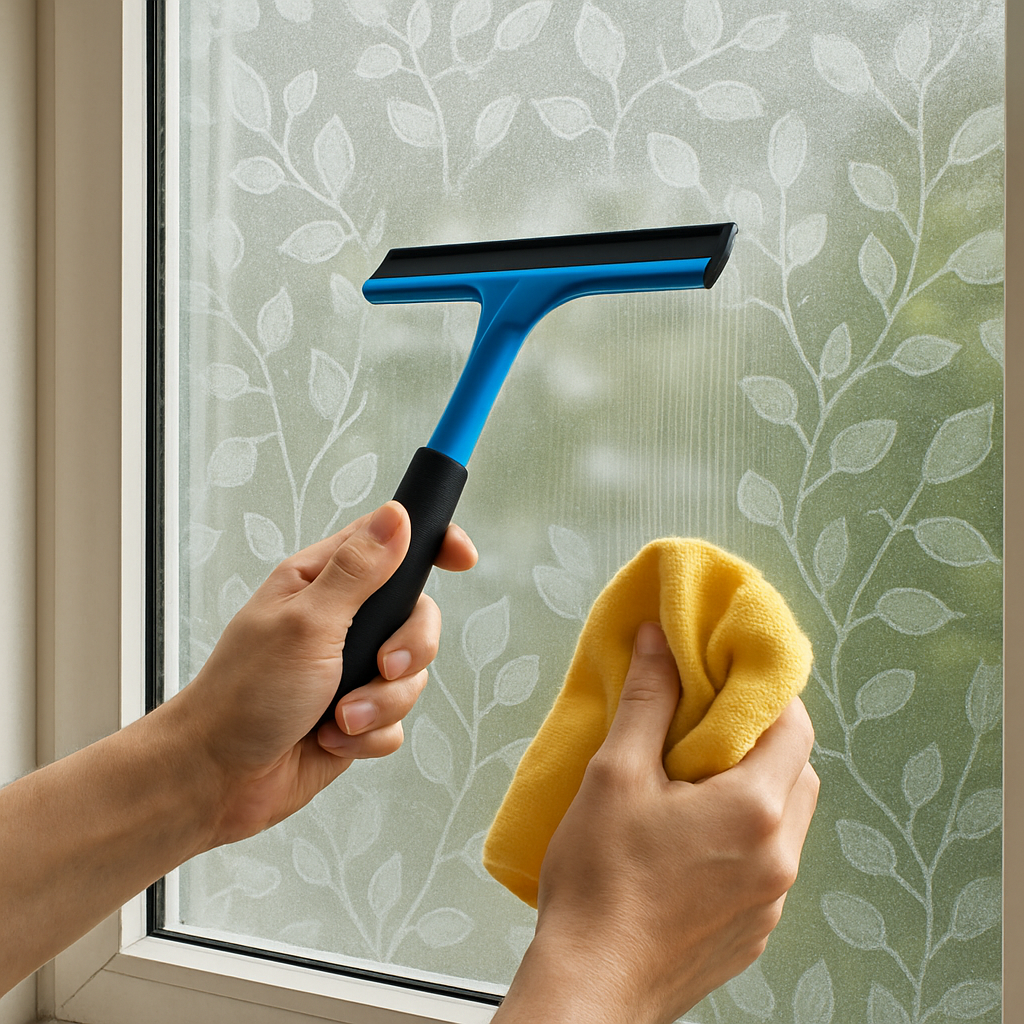
  3. Apply the Film: Peel off the backing of the film and carefully apply it to the glass, starting from the top and working your way down. Use a squeegee to remove any air bubbles, working from the center outward.
  4. Trim Excess Film: Once the film is applied, use a sharp blade to trim any excess material around the edges of the window.
  5. Final Touches: Smooth out any remaining bubbles and ensure the film is securely adhered to the glass.

Professional Installation

Professional window film installation

by Deep Das (https://unsplash.com/@deepdass)

For larger projects or intricate designs, hiring a professional installer can ensure a flawless finish. Professionals have the expertise and tools necessary to achieve the best results, saving time and effort.

Choosing the Right Translucent Window Film

When selecting translucent window film, it’s important to consider factors such as style, function, and quality. Here are some tips to guide your decision:

  1. Assess Your Needs: Determine the primary purpose of the film—whether it’s for privacy, decoration, or energy efficiency—and choose a product that meets these requirements.
  2. Consider the Design: With a wide range of designs available, from frosted to decorative patterns, select a style that complements your interior decor and enhances the overall aesthetic.
  3. Check Quality and Durability: Invest in high-quality window film that offers durability and longevity. Look for films with UV protection and scratch-resistant coatings for added value.
  4. Evaluate Installation Options: Consider whether you’ll be installing the film yourself or hiring a professional. Some films are designed for easy DIY installation, while others may require expert handling.

Maintenance and Care

Maintaining translucent window film is relatively simple and involves regular cleaning with a soft cloth and mild detergent. Avoid using abrasive materials or harsh chemicals that could damage the film.

Conclusion

Translucent window film is a versatile and cost-effective solution for enhancing privacy and aesthetics in both residential and commercial spaces. By understanding its benefits, applications, and installation process, you can make informed decisions that elevate your living or working environment. Whether you’re an interior designer or a homeowner, translucent window film offers a stylish and practical solution to meet your needs.

Categories
Window Tint and Film

Complete Breakdown of One Way Window Film Day And Night Privacy

Homeowners and interior designers alike are increasingly drawn to innovative solutions that not only enhance the aesthetic appeal of living spaces but also provide practical benefits. One such solution is the installation of one way window film, a modern marvel that offers day and night privacy without compromising natural light. This article delves into how this remarkable technology works and its benefits, providing a comprehensive guide for those looking to improve their home or office environments.

One way window film is a specialized type of privacy window film designed to allow you to see out while preventing others from seeing in, during daylight hours. The key to its functionality lies in its reflective properties. By reflecting light, the film creates a mirror-like appearance on the side with more light exposure, typically the exterior, thus ensuring privacy.

Day and Night Privacy

While traditional privacy window films are effective during the day, one way window film is unique in offering significant privacy both day and night. However, it’s important to note that for night privacy, additional measures such as blinds or curtains might still be necessary, as the effect diminishes when the interior is brighter than the exterior. If you’re exploring additional privacy solutions, you can achieve privacy with window films through layered approaches that enhance both daytime and nighttime performance.

Benefits of One Way Window Film

Enhanced Privacy

For those seeking to maintain a level of discretion, one way window films are an excellent choice. They are particularly beneficial for homes located in busy neighborhoods or for offices that require confidential environments.

Energy Efficiency

In addition to privacy, these films contribute to energy efficiency. By reducing the amount of solar heat entering a space, they help maintain a comfortable indoor temperature, cutting down on the need for air conditioning and thus reducing energy bills. According to the U.S. Department of Energy, window films can significantly improve a building’s energy performance by reducing solar heat gain. Additional research from the National Renewable Energy Laboratory (NREL) also supports the role of window technologies in improving building efficiency and reducing cooling loads.

UV Protection

Another advantage is the protection against harmful UV rays. One way window films block up to 99% of UV radiation, safeguarding not only your skin but also your furniture and flooring from sun damage. The Environmental Protection Agency (EPA) highlights the importance of UV protection in reducing long-term sun exposure risks. The American Cancer Society also emphasizes limiting UV exposure as a key strategy in skin cancer prevention.

UV protection with window film

Aesthetic Appeal

With a variety of tints and styles available, these films can complement any interior design, adding a sleek, modern look to windows without the need for bulky curtains or blinds.

Installation Considerations

When considering the installation of privacy window film, it’s crucial to consult with experts to ensure that the film meets your specific needs and preferences. Professional installation guarantees precision and longevity, maximizing the benefits of the film.

Conclusion

One way window films present an innovative solution for enhancing both privacy and energy efficiency. Their ability to blend seamlessly with any interior design while offering significant practical benefits makes them a worthwhile investment for any homeowner or designer seeking to elevate their space. As with any home improvement, consulting with a professional can ensure you receive the most out of your investment, tailored to your unique needs.

Categories
Window Tint and Film

Breaking Down the Costs of Privacy Film For Doors

When it comes to enhancing the privacy of your living or workspace, privacy film for doors is an innovative and versatile solution. Not only does it provide a shield from prying eyes, but it also adds an aesthetic touch to your interiors. However, understanding the costs associated with privacy film can be a bit complex. In this article, we’ll break down the costs of privacy film for doors, helping you make an informed decision that aligns with your budget and style preferences.

Privacy window film explained is a thin layer of material applied to glass surfaces. It is designed to obscure the view from outside while allowing light to pass through. This makes it an excellent choice for both residential and commercial spaces where privacy is a priority without sacrificing natural light.

Types of Privacy Film

There are several types of privacy films available, each offering different levels of privacy and aesthetics:

  • Frosted Film: Mimics the appearance of frosted glass, providing a high level of privacy.
  • Decorative Film: Comes in various patterns and designs, adding a decorative element to your space.
  • Reflective Film: Offers privacy by reflecting light, making it difficult for outsiders to see in.
  • Matte Film: Provides a smooth, non-glare finish that enhances privacy.

Each type has its unique benefits and cost implications, which we will explore further.

Factors Influencing Privacy Film Costs

Several factors contribute to the overall cost of installing privacy film for doors:

Material Quality

The quality of the film is a primary factor in determining cost. Higher-quality films tend to be more durable, offer better UV protection, and provide superior privacy. According to the U.S. Department of Energy, window films can significantly reduce heat gain and improve overall energy performance. They may have additional features such as scratch resistance and ease of cleaning, which can justify a higher price.

Size and Quantity

The size of the glass surface and the quantity of film required will significantly impact the cost. Larger doors or multiple installations will naturally require more material, increasing the overall expense.

Installation Complexity

Professional installing window film

The complexity of the installation process can also affect costs. For instance, doors with intricate designs or those requiring precise cuts will take more time and skill to install, leading to higher labor costs.

Professional Installation vs. DIY

While some homeowners may opt for a DIY approach to save money, professional installation ensures a perfect fit and finish. Professional installers have the tools and expertise to handle complex installations, reducing the risk of errors and film wastage. You can also refer to the This Old House window improvement guide for additional insights on home window upgrades.

Brand and Manufacturer

The brand and manufacturer of the privacy film can also influence cost. Established brands with a reputation for quality may charge more, but they often provide warranties and after-sales support that can be valuable.

Cost Breakdown

Average Costs

The average cost of privacy film for doors can range from $6 to $20 per square foot. This range accounts for variations in film type, quality, and additional features.

  • Frosted Film: $7 to $12 per square foot
  • Decorative Film: $10 to $15 per square foot
  • Reflective Film: $8 to $14 per square foot
  • Matte Film: $6 to $10 per square foot

Installation Costs

Professional installation typically adds $2 to $5 per square foot to the total cost. However, this investment ensures a flawless application and longevity of the film.

Benefits of Privacy Film

Investing in privacy film offers several benefits beyond privacy enhancement:

Energy Efficiency

Privacy films can also help in reducing energy costs by blocking harmful UV rays and regulating indoor temperatures. This not only protects your interiors from fading but also contributes to a more energy-efficient home.

Enhanced Aesthetics

Stylish decorative window film on office door

by Mon Jester (https://unsplash.com/@monjester)

Decorative films can significantly enhance the aesthetics of your space, complementing the interior design and adding a touch of sophistication.

Increased Security

Privacy films add a layer of security by holding shattered glass together, reducing the risk of injury during accidents or break-ins.

Making the Right Choice

When choosing privacy film for your doors, consider the following:

  • Purpose: Determine whether your primary goal is privacy, aesthetics, or energy efficiency.
  • Budget: Establish a budget that accounts for both material and installation costs.
  • Style: Choose a style that complements your interior design and meets your privacy needs.
  • Professional Advice: Consult with a professional to assess your specific needs and recommend the best film for your situation.

Conclusion

Privacy film for doors is an excellent investment for enhancing privacy, aesthetics, and energy efficiency in your home or office. By understanding the factors that influence costs and the benefits these films provide, you can make a well-informed decision that enhances your living space while staying within your budget. Whether you opt for a DIY approach or professional installation, the key is to choose a quality film that meets your needs and preferences.

With this comprehensive guide, you’re now equipped to explore the world of privacy films and transform your doors into stylish, functional elements of your interior design.

Categories
Window Tint and Film

Are Insulation Window Films Worth It for Winter Drafts

Winter is notorious for bringing chilly drafts into our homes, turning cozy spaces into uncomfortable areas. Insulation window films have gained popularity as a potential solution to mitigate these drafts. But are they truly worth the investment? In this article, we explore the benefits of insulation window films and whether they are a viable option for keeping your home warm during the winter months.

Insulation window films are thin layers of material applied to the interior surface of windows. They are designed to enhance a window’s energy efficiency by reducing heat loss and blocking cold air from entering the home. These films work by reflecting heat back into the room, maintaining a warmer indoor environment. According to the U.S. Department of Energy, properly selected window treatments can significantly improve insulation and reduce heat transfer.

How Do They Work?

Window films act as a barrier against temperature fluctuations. During winter, they help trap heat inside the home, reducing the reliance on heating systems. In the summer, they reflect solar heat away, keeping interiors cooler. This dual-purpose functionality makes them a year-round investment for energy efficiency. Homeowners in Canada can also explore guidance from Natural Resources Canada regarding energy-efficient home improvements.

The Benefits of Insulation Window Films

Energy Efficiency

One of the primary advantages of insulation window films is their ability to improve energy efficiency. By minimizing heat loss through windows, these films can reduce heating costs during winter. This can lead to significant savings on energy bills, making them a cost-effective solution for homeowners looking to cut expenses.

Enhanced Comfort

Living room with large windows and visible window films for insulation

Drafty windows can make living spaces uncomfortable, as cold air seeps in and warm air escapes. Insulation window films help maintain a consistent indoor temperature, eliminating chilly drafts and enhancing overall comfort. This is particularly beneficial in older homes where window insulation may be lacking.

UV Protection

In addition to thermal insulation, many window films offer UV protection. They block harmful ultraviolet rays from entering the home, which can cause fading of furniture, flooring, and artwork. By preserving the integrity of interior elements, window films help maintain the aesthetic appeal of your living space.

Privacy and Security

Some insulation window films also provide added privacy by reducing visibility from the outside. This feature is ideal for ground-level rooms or homes located in busy neighborhoods. Additionally, certain films can enhance window strength, offering extra protection against break-ins.

Installation Process

DIY vs. Professional Installation

While some homeowners opt for DIY installation, hiring a professional ensures a flawless finish and optimal performance. Professional installers have the expertise to apply the film evenly, avoiding bubbles and creases that can compromise its effectiveness. Moreover, professionals can recommend the best type of film for your specific needs.

Choosing the Right Film

When selecting insulation window films, consider factors such as climate, window orientation, and aesthetic preferences. Films come in various shades and finishes, allowing homeowners to choose based on their desired level of transparency and appearance.

Are Insulation Window Films Worth the Investment?

Comparison of homes with and without insulation window films in winter

by Erik Mclean (https://unsplash.com/@introspectivedsgn)

Cost Considerations

The cost of insulation window films varies depending on the size of the windows and the type of film selected. However, the initial investment is often offset by the long-term savings on energy bills. For budget-conscious homeowners, the reduction in heating costs can justify the expense over time.

Environmental Impact

Beyond financial savings, insulation window films contribute to a reduced carbon footprint by lowering energy consumption. By investing in energy-efficient solutions, homeowners can play a part in promoting environmental sustainability.

Aesthetic Appeal

Insulation window films offer a sleek, modern appearance that can enhance the overall look of your home. With various tints and finishes available, they can complement any interior design while providing the functional benefits of insulation.

Limitations

While insulation window films offer numerous advantages, they may not completely eliminate drafts in homes with severely inefficient windows. In such cases, additional measures, like weatherstripping or window replacement, may be necessary to achieve optimal results.

Conclusion

Insulation window films present a practical and effective solution for combating winter drafts. By improving energy efficiency, enhancing comfort, and offering UV protection, they provide a multitude of benefits for homeowners. Although the initial cost may vary, the long-term savings and environmental advantages make them a worthwhile investment. If you’re seeking to create a more comfortable and energy-efficient living space, consider exploring the options available in insulation window films.

In the end, the decision to invest in window films should be based on your specific needs, budget, and the current state of your windows. Consulting with a professional installer can provide valuable insights and ensure you choose the right solution for your home. Whether you’re an interior designer looking to improve energy efficiency for your clients or a homeowner seeking to reduce drafts, insulation window films can be a valuable addition to your home improvement toolkit.

Categories
Window Tint and Film

Advanced Techniques for Translucent Window Film

In the realm of home improvement, translucent window films are rapidly gaining popularity. Not only do they offer privacy, but they also enhance the aesthetic appeal of any space, making them a favorite among interior designers and homeowners alike. These versatile films provide an elegant solution for maintaining privacy without sacrificing the flow of natural light, creating a warm and inviting atmosphere in any room. This article will delve into advanced techniques for applying translucent window film, showcasing how these solutions can transform your living spaces into stylish, eco-friendly havens.

Before diving into the techniques, it’s essential to understand what translucent window films are. These films are thin, adhesive sheets applied to glass surfaces, allowing light to filter through while obstructing clear visibility. The films come in an array of textures and patterns, making them a versatile option for any style preference. They are a versatile solution for enhancing privacy without sacrificing natural light, making them ideal for various settings, from bathrooms to office spaces.

These films can be used in numerous innovative ways, adding a layer of design and functionality to any glass surface. Whether used in residential or commercial spaces, they provide a modern touch that complements existing décor while offering the practical benefits of privacy and energy efficiency. The adaptability of these films makes them a valuable asset in both new constructions and renovations, providing an easy upgrade to existing windows.

Benefits of Translucent Window Films

The appeal of translucent window films lies in their multifaceted benefits:

  • Privacy: They provide a barrier against prying eyes while allowing daylight to permeate. This feature is particularly beneficial in urban areas where buildings are in close proximity, ensuring that your personal space remains private.
  • Aesthetic Appeal: Available in various patterns and colors, these films can complement any interior design. They can mimic the look of frosted or etched glass, offering a high-end appearance without the associated costs.
  • Energy Efficiency: By reducing glare and blocking harmful UV rays, they contribute to lower energy costs. This makes them an eco-friendly choice, as they help maintain interior temperatures, reducing the need for excessive heating or cooling.
  • Easy Installation: With DIY options available, they offer a cost-effective solution for homeowners. The simplicity of installation means you can easily change styles or replace films without significant time or cost investment.

Advanced Techniques for Applying Translucent Window Film

Mastering the application of window film can make a significant difference in the outcome. Here, we’ll explore some advanced techniques that ensure a professional finish. Proper application not only enhances the film’s performance but also extends its lifespan, ensuring that you get the most out of your investment.

Preparing the Surface

Cleaning window surface before film application

The first step in any successful window film application is thorough preparation. A clean, dust-free surface is crucial for adhesion and a bubble-free finish. Skipping this step can result in a compromised appearance and reduced effectiveness of the film.

  1. Clean the Glass: Use a non-abrasive glass cleaner to remove any dirt, grease, or residue. This step is essential to prevent any particles from creating air pockets under the film, which can affect both its appearance and functionality.
  2. Inspect for Imperfections: Check for any scratches or cracks that may affect the film’s appearance. Addressing these imperfections beforehand ensures the film adheres properly and maintains a smooth, flawless look.
  3. Dry Completely: Ensure the glass is entirely dry before applying the film. Any moisture left can interfere with the adhesive, leading to peeling or bubbling over time.

Measuring and Cutting the Film

Precision is key in cutting the film to fit your window perfectly. An accurate cut ensures a snug fit, which is crucial for both the aesthetics and the durability of the film.

  1. Measure Twice: Use a measuring tape to accurately gauge the dimensions of your window. Double-checking measurements prevents errors that could result in wasted materials or a poor fit.
  2. Cut with Care: Lay the film on a flat surface and cut it slightly larger than the window dimensions. This allows for adjustments during application, ensuring that the film covers the entire glass surface without leaving gaps.
  3. Use a Straight Edge: A ruler or straight edge ensures clean, straight cuts. This is particularly important for maintaining the integrity of any patterns or designs within the film.

Application Process

Applying the film requires patience and attention to detail to avoid bubbles and misalignment. Taking your time during this step can significantly affect the end result, ensuring a smooth and professional appearance.

  1. Wet the Glass: Spray the glass with a mixture of water and a few drops of dish soap. This solution allows for easy repositioning of the film, giving you the flexibility to adjust as needed.
  2. Align the Film: Begin at the top of the window and gradually smooth the film downwards, using a squeegee to remove air bubbles. This technique helps prevent wrinkles and ensures even adhesion across the surface.
  3. Trim Excess Film: Once aligned, trim any excess film using a sharp utility knife. This step refines the edges, giving the film a tailored look that blends seamlessly with the window frame.

Finishing Touches

To achieve a professional finish, attention to detail is paramount. These final steps ensure the film not only looks great but also functions effectively.

  1. Smooth Out Bubbles: Use the squeegee to work out any remaining bubbles, moving from the center towards the edges. Persistent bubbles can be pierced with a pin and smoothed out, ensuring a pristine finish.
  2. Seal the Edges: Run a soft cloth along the edges to ensure the film adheres completely. This step prevents peeling and helps maintain the film’s longevity.
  3. Allow to Set: Let the film cure for at least 24 hours before cleaning or touching. This curing time is essential for the adhesive to bond fully with the glass, securing the film in place.

DIY vs. Professional Installation

Comparison of DIY vs. professional installation

by Роман Смирнов (https://unsplash.com/@yojistic)

While DIY installation can be cost-effective, there are scenarios where professional installation might be preferable, particularly for larger or more complex projects. Understanding the pros and cons of each option can help you make an informed decision based on your specific needs.

DIY Installation

  • Cost-Effective: Ideal for small projects and those comfortable with hands-on tasks. DIY installation allows you to save on labor costs and gives you the satisfaction of completing a home improvement project on your own.
  • Flexibility: Allows homeowners to work at their own pace and experiment with different styles. This flexibility is perfect for those who enjoy personalizing their space and trying out new design ideas without committing to a professional’s schedule.

Professional Installation

  • Expertise: Professionals bring experience, ensuring a flawless application. Their expertise can be invaluable for difficult installations, such as those involving large or unusually shaped windows.
  • Time-Saving: Quick and efficient, perfect for larger projects or commercial spaces. Hiring a professional can significantly reduce the time required for installation, minimizing disruption in your home or business.
  • Warranty: Often includes a guarantee, providing peace of mind. This warranty can be particularly beneficial if any issues arise post-installation, as it typically covers repairs or replacements.

Innovative Uses for Translucent Window Film

Translucent window films aren’t just for privacy. They can be creatively used throughout the home to enhance design and functionality. Their versatility opens up a world of possibilities for creative applications that go beyond traditional uses.

Decorative Accents

Incorporate films with decorative patterns in living areas or feature walls to add a touch of elegance and style without overwhelming the space. These films can serve as a focal point, drawing attention and adding visual interest without the permanence of traditional decorative methods.

Use films to create artistic panels or room dividers that offer both function and form. This approach can define spaces within an open-plan layout, providing a sense of separation without closing off areas completely.

Energy Efficiency

Applying films to sun-facing windows can significantly reduce heating and cooling costs, making them an eco-friendly choice for energy-conscious homeowners. By reflecting and absorbing solar energy, these films help maintain a consistent indoor temperature, reducing reliance on HVAC systems.

Additionally, by blocking harmful UV rays, window films protect furniture, flooring, and artwork from fading, extending their lifespan and preserving your investment in interior design.

Office Spaces

For home offices, films can create designated areas without the need for permanent structures, allowing for a flexible and open environment. This flexibility is particularly beneficial in modern workspaces where adaptability and collaboration are prioritized.

In commercial settings, films can provide privacy in conference rooms or offices without sacrificing the open, airy feel that glass partitions offer. This balance of privacy and openness enhances productivity and comfort in the workplace.

Conclusion

Translucent window films offer a versatile, stylish, and eco-friendly solution for modern homes. Whether you’re an interior designer seeking to complement your designs with cost-effective solutions or a homeowner looking to enhance privacy and aesthetics, mastering the application of these films is a worthwhile endeavor. By following the advanced techniques outlined in this article, you can achieve professional results that transform any space into a sanctuary of style and function.

Remember, the key to success lies in preparation, precision, and patience, ensuring that your window film application not only meets but exceeds your expectations. As you explore the possibilities with translucent window films, you’ll discover new ways to incorporate them into your home or office, enhancing both functionality and beauty in every room.

::contentReference[oaicite:0]{index=0}

Categories
Window Tint and Film

Window Films for Heat Reduction Do They Really Work

As an interior designer, you’re always on the lookout for solutions that can marry aesthetics with functionality. One such solution that has been gaining popularity is window films for heat reduction. But the question remains, do they really work? In this article, we’ll dive into the benefits of using window films, especially when it comes to heat reduction, and how they can be an effective, stylish, and energy-saving addition to any home.

Window films are thin layers of polyester or other materials that can be applied to the interior of glass surfaces in homes, buildings, and vehicles. They are designed to reduce the amount of sunlight that enters through windows, thereby lowering heat, glare, and UV radiation. According to the U.S. Department of Energy, properly selected window films can significantly reduce solar heat gain and improve indoor comfort.

These films can transform ordinary glass into high-performance windows, providing numerous advantages to homeowners and interior designers alike.

Types of Window Films

There are several types of window films, each serving a unique purpose:

  1. Solar Control Films: These are designed to reflect and absorb solar heat, reducing the amount of heat that penetrates through the glass.
  2. Decorative Films: These offer a variety of patterns and colors, ideal for adding aesthetic value while maintaining privacy.
  3. Security Films: These increase the strength of the glass, making it more resistant to shattering.
  4. Privacy Films: These are opaque or frosted films that offer privacy without compromising natural light.

How Do Heat-Reflective Window Films Work?

Diagram illustrating how window films block UV rays and reduce heat

Heat-reflective window films work by reflecting a portion of the solar energy that hits the window. They are coated with a thin, metallic layer that reflects infrared rays, which are responsible for generating heat.

By reflecting these rays, the films effectively reduce the amount of heat entering a space, which can lead to a cooler indoor environment. This not only enhances comfort but also contributes to energy savings by reducing the need for air conditioning. The U.S. Environmental Protection Agency (EPA) also highlights energy-efficient window treatments as part of broader strategies to reduce building energy consumption.

Benefits of Heat-Reflective Window Films

Energy Efficiency

One of the most significant benefits of heat-reflective window films is their ability to enhance energy efficiency. By blocking out heat, these films help maintain a consistent indoor temperature, reducing the reliance on air conditioning systems. This translates to lower energy bills, which is a major selling point for clients looking to cut down on their energy expenses.

UV Protection

Heat-reflective films also block harmful UV rays, which can cause furniture, flooring, and artwork to fade over time. By protecting these elements from UV damage, window films help preserve the aesthetics and longevity of interior decor.

Glare Reduction

These films reduce glare from sunlight, making it easier to work, watch TV, or use computers without straining the eyes. This is particularly beneficial for spaces with large windows or south-facing orientations.

Aesthetic Appeal and Versatility

Modern living room with decorative window films

by Sam Moghadam (https://unsplash.com/@sammoghadam)

Window films offer a versatile and stylish solution for enhancing the aesthetic appeal of a space. With a variety of options available, designers can choose from different shades, tints, and patterns to complement the overall design scheme of the interior.

Customization Options

Decorative films can be customized to create unique patterns or designs that align with a client’s style preferences. This customization allows for personalized touches that can make a space truly stand out.

Seamless Integration

Because window films are applied directly to existing windows, they integrate seamlessly into the design of any room without requiring significant structural changes. This makes them an ideal choice for quick and easy upgrades.

Addressing Common Concerns

While window films offer numerous benefits, there are some common concerns that homeowners and designers might have. Here, we’ll address a few of those concerns:

Will Window Films Make a Room Too Dark?

A common misconception is that window films will make interiors too dark. However, modern films are designed to allow ample natural light while still blocking heat and UV rays. By selecting the right type of film, you can achieve the perfect balance of light and heat control.

Are Window Films Durable?

Quality window films are highly durable and can last for many years without fading, peeling, or bubbling when installed correctly. They are also resistant to scratches and can withstand regular cleaning.

What About Installation?

Professional installation is recommended to ensure that the films are applied correctly and evenly. This will maximize their performance and longevity. Many companies offer warranties on both the film and installation, providing peace of mind to homeowners.

Real-World Applications

Many homeowners and businesses have successfully integrated heat-reflective window films into their spaces. For instance, a client who owned a south-facing home was struggling with excessive heat and glare in the living room. By installing heat-reflective films, the room became more comfortable, and energy bills decreased by 15%.

Similarly, a corporate office with large, sunlit windows reduced glare on computer screens and improved employee comfort by applying window films, resulting in enhanced productivity.

Conclusion

Window films for heat reduction are indeed an effective solution for managing indoor temperatures, protecting against UV damage, and enhancing energy efficiency. Their aesthetic versatility and practical benefits make them an attractive choice for interior designers aiming to provide stylish and sustainable solutions for their clients.

By considering the specific needs and preferences of each client, you can select the appropriate window film to improve both the functionality and appearance of any space. Whether you’re looking to reduce energy costs, protect furnishings, or simply add a decorative touch, window films offer a viable solution that delivers on all fronts.