# What to Know About Heat Reducing Window Film
When it comes to enhancing the comfort and energy efficiency of your home, heat reducing window film can be an excellent investment. As an expert in home improvement solutions, I’m here to guide you through everything you need to know about this innovative product. From its benefits to installation tips, this article will help you understand how window film can transform your living space.
Heat reducing window film is a thin, multi-layered polyester or vinyl material applied to glass surfaces. Its primary function is to minimize heat transfer through windows, thereby enhancing indoor comfort and reducing energy costs.
How Does It Work?
Window films are designed to reflect and absorb solar heat. They contain metalized layers that bounce a significant amount of the sun’s rays back outside, keeping interiors cooler. This helps maintain a more stable indoor temperature, reducing the need for air conditioning during hot months. According to the U.S. Department of Energy, properly selected window films can significantly reduce solar heat gain and improve overall home efficiency.
Types of Window Film
There are several types of window films available, each with unique properties:
- Reflective Films: These are highly effective at reducing heat and glare. They have a mirrored appearance from the outside.
- Dual-Reflective Films: These films offer a reflective exterior while maintaining a clearer view from the inside, making them ideal for homes.
- Ceramic Films: These are less reflective and offer excellent heat reduction while maintaining the natural appearance of windows.
- Decorative Films: While primarily used for aesthetic purposes, some decorative films also offer heat reduction benefits.
Benefits of Heat Reducing Window Film

The advantages of installing heat reducing window film extend beyond just comfort. Here’s how it can benefit you:
Improved Energy Efficiency
By reducing the amount of solar heat entering your home, window films lower the demand on your cooling systems. This results in lower energy consumption and reduced utility bills, making your home more environmentally friendly. The U.S. Environmental Protection Agency (EPA) also highlights energy-efficient upgrades as key to reducing overall household energy use.
Enhanced Comfort
Window films help maintain a consistent indoor temperature, minimizing hot spots and improving overall comfort. This means you can enjoy a more pleasant living environment throughout the year.
UV Protection
Heat reducing window films block up to 99% of harmful UV rays. This protects your skin from potential damage and prevents your furniture, flooring, and artwork from fading over time.
Glare Reduction
Excessive glare can be a nuisance, especially when watching TV or working on a computer. Window films reduce glare, providing a more comfortable viewing experience without the need for heavy curtains or blinds.
Increased Privacy
Reflective and tinted window films offer added privacy by limiting the view into your home from the outside. You can enjoy natural light without compromising your privacy.
Installation Process

by Thomas Marquize (https://unsplash.com/@tomarquize)
Proper installation is key to maximizing the benefits of heat reducing window film. While some homeowners choose to tackle this as a DIY project, hiring a professional ensures precision and quality.
DIY vs. Professional Installation
- DIY Installation: If you’re a handy homeowner, you might consider installing window film yourself. Kits are available with step-by-step instructions. However, achieving a flawless finish can be challenging without experience.
- Professional Installation: Professional installers have the expertise to ensure a seamless application. They can also help you select the right heat-blocking window films for your specific needs and guarantee the longevity of the installation.
Steps to Install Window Film
- Clean the Windows: Thoroughly clean the window surface to remove dirt, dust, and any residue. This ensures proper adhesion of the film.
- Measure and Cut: Measure the window and cut the film to size, leaving a small margin for adjustment.
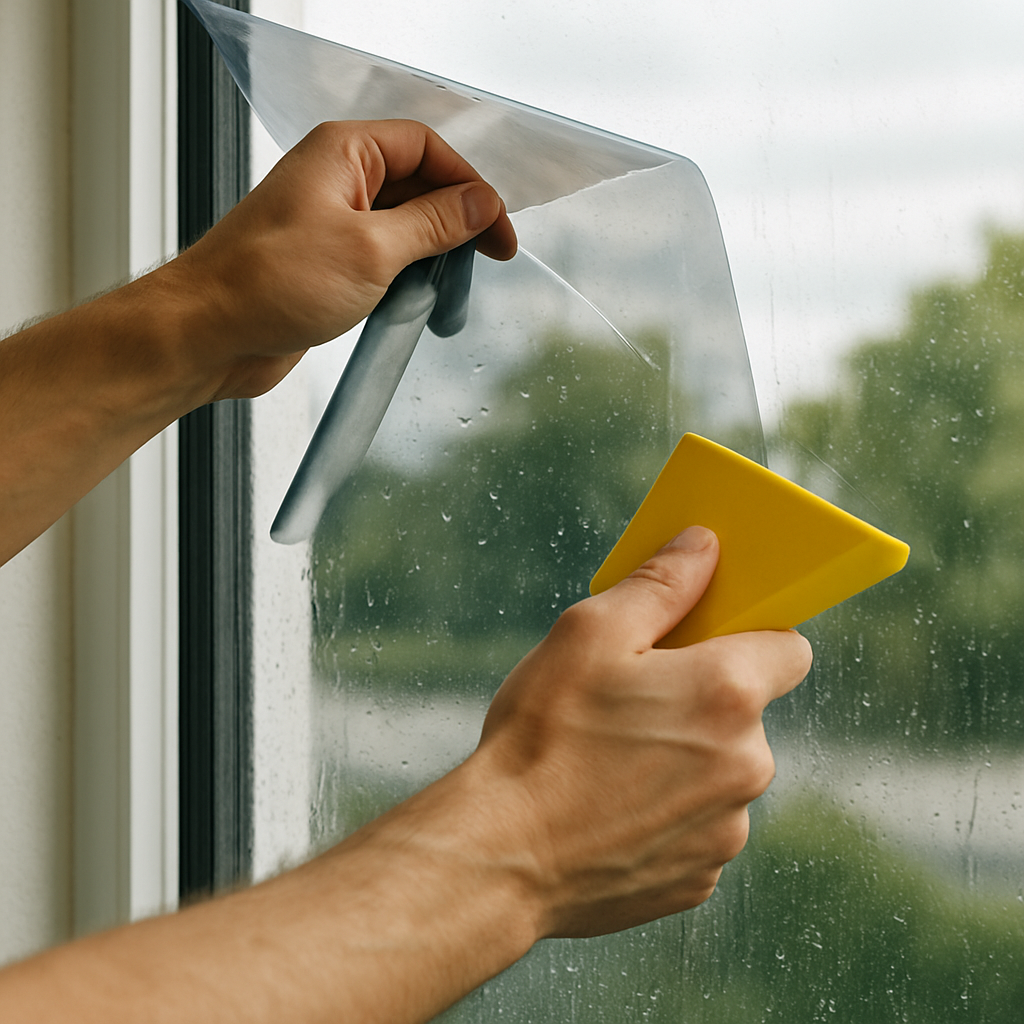
- Apply the Film: Spray the window with a soapy water solution and apply the film, smoothing it out with a squeegee to remove bubbles.
- Trim Excess Film: Use a sharp blade to trim any excess film for a perfect fit.
Maintenance and Care
Once installed, window films require minimal maintenance:
- Cleaning: Use a soft cloth and a mild, non-abrasive cleaner to clean the film. Avoid harsh chemicals and abrasive materials.
- Inspection: Regularly inspect the film for signs of peeling or bubbling, which may indicate the need for replacement or professional touch-up.
Choosing the Right Window Film
Selecting the right window film depends on several factors, including your climate, aesthetic preferences, and budget. Consider consulting with a professional to find the best option for your home.
Factors to Consider
- Climate: In hot climates, opt for films with higher heat rejection capabilities. In cooler areas, films that balance heat reduction with insulation may be ideal.
- Aesthetics: Choose a film that complements your home’s design. Reflective films offer a modern look, while ceramic films maintain a natural appearance.
- Budget: Window films come in a range of prices. Balance cost with performance to find a solution that meets your needs.
Conclusion
Heat reducing window film is a smart, cost-effective solution for improving the energy efficiency and comfort of your home. By understanding the benefits and installation process, you can make an informed decision that enhances your living space. Whether you choose to DIY or hire a professional, investing in window film can provide long-term savings and a more enjoyable home environment.
If you have any questions or need assistance with window film installation, feel free to reach out to a trusted professional in your area. Transform your home today with the power of heat reducing window film!