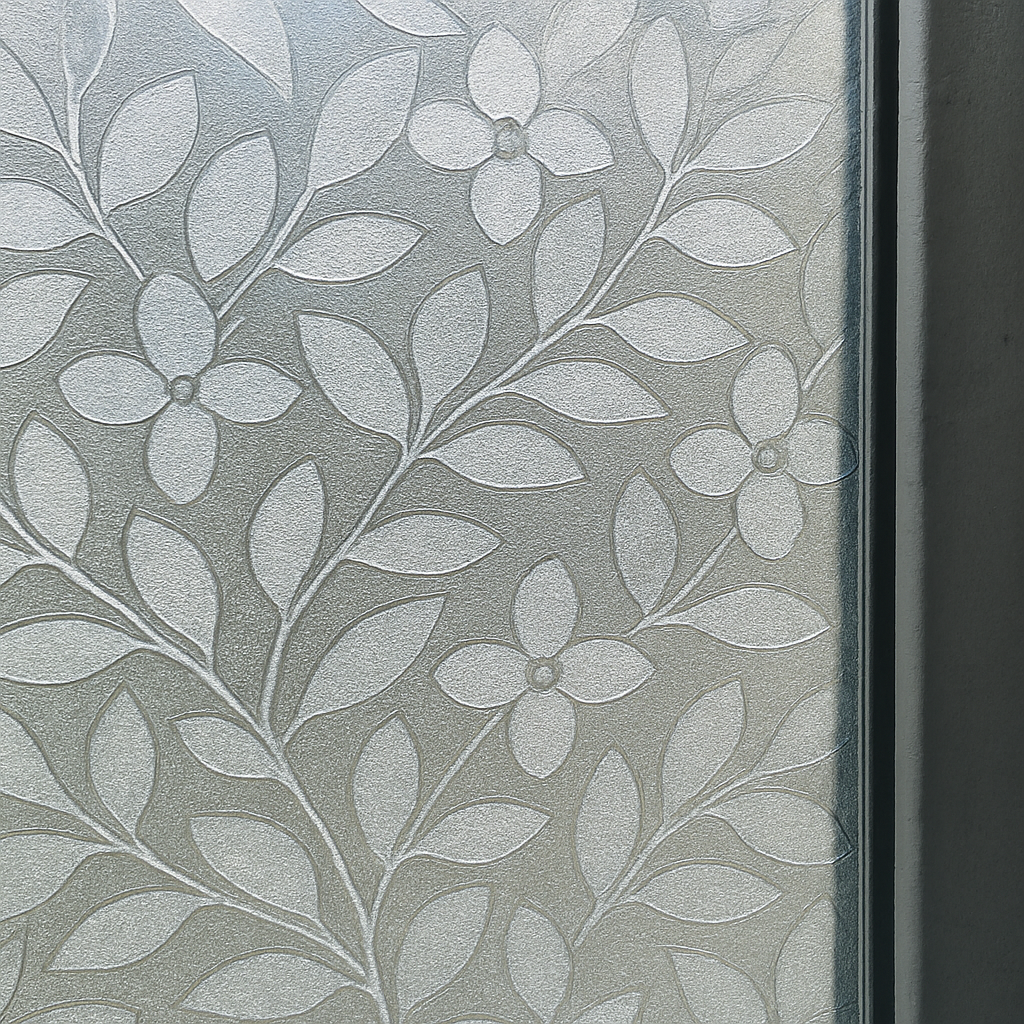
As temperatures rise and energy bills soar, homeowners and interior designers alike are searching for effective ways to maintain comfort and efficiency indoors. One such innovative solution is the installation of heat reducing window film. This comprehensive guide will explore the benefits, types, and installation process of heat reducing window film, providing you with a clear understanding of why it might be the perfect addition to your home improvement plan.
Heat reducing window film, also known as solar window film or insulating window film, is a thin, multi-layered polyester or vinyl material applied to the interior surface of windows. Its primary purpose is to minimize the amount of infrared, visible light, and ultraviolet (UV) rays that enter a space, effectively reducing heat and glare while enhancing privacy and energy efficiency. To better understand the solar window films benefits, it’s important to explore how these advanced films function in real-world applications.
Benefits of Heat Reducing Window Film
Energy Efficiency
One of the most significant advantages of heat reducing window film is its ability to improve energy efficiency. By blocking a substantial portion of the sun’s heat, these films reduce the need for air conditioning, leading to lower energy consumption and reduced utility bills. According to the U.S. Department of Energy, window films can block up to 77% of solar heat, making them a cost-effective solution for energy savings.
UV Protection
Another critical benefit of solar window film is its capacity to block up to 99% of harmful UV rays. Prolonged exposure to UV radiation can cause fading of furniture, flooring, and artwork, as well as increase the risk of skin cancer. The Environmental Protection Agency (EPA) highlights the dangers of UV exposure and the importance of protective measures. By installing window film, you can protect your interiors and loved ones from these harmful effects.
Enhanced Comfort and Glare Reduction

Heat reducing window film helps maintain a consistent indoor temperature, eliminating hot spots and improving overall comfort. Additionally, it reduces glare on screens and monitors, enhancing visibility and reducing eye strain, making it an ideal solution for home offices and living spaces.
Increased Privacy and Security
Certain types of window films also offer increased privacy by limiting the view into your home from the outside. Additionally, they can provide an added layer of security by holding shattered glass together, preventing break-ins and reducing the risk of injury from broken glass.
Types of Heat Reducing Window Film
There are several types of heat reducing window films available, each with its unique features and benefits. Understanding the differences can help you choose the right film for your specific needs.
Dyed Window Film
Dyed window film is an affordable option that absorbs solar heat and reduces glare. It is made by applying a layer of dye between an adhesive layer and a protective layer. While it offers excellent glare reduction and privacy, it is less effective at blocking heat compared to other films.
Metalized Window Film
Metalized window film contains tiny metallic particles that reflect heat and UV rays. It is more durable and effective at heat reduction than dyed films but may interfere with electronic signals and have a shiny, reflective appearance that some homeowners find less appealing.
Ceramic Window Film

Ceramic window film is a high-performance option that uses advanced nanotechnology to block heat and UV rays without affecting visibility or electronic signals. It offers superior heat reduction, durability, and clarity, making it an excellent choice for homeowners seeking the best in performance and aesthetics.
Hybrid Window Film
Hybrid window film combines the benefits of both dyed and metalized films, offering a balance of heat reduction, glare reduction, and cost-effectiveness. It is a versatile choice for those looking for a middle-ground solution.
Installation Process
Installing heat reducing window film is a straightforward process, but it requires precision to ensure optimal performance and longevity. Here’s a step-by-step guide to help you understand the installation process.
Step 1: Measure and Cut
Begin by measuring the dimensions of the windows you intend to cover. Cut the window film to size, leaving an extra inch on each side to ensure complete coverage.
Step 2: Clean the Windows
Thoroughly clean the window surface using a glass cleaner and a lint-free cloth. Remove any dirt, dust, or debris, as these can interfere with the film’s adhesive and result in bubbles or peeling.
Step 3: Apply the Film
Peel off the backing of the film and spray the adhesive side with a mixture of water and a few drops of dish soap. This solution helps prevent the film from sticking prematurely and allows for easier adjustments.
Carefully position the film on the window, starting from the top and working your way down. Use a squeegee to smooth out any bubbles and ensure a tight bond between the film and the glass.
Step 4: Trim and Finish
Once the film is in place, use a sharp utility knife to trim the excess film along the edges for a neat finish. Finally, use the squeegee to remove any remaining bubbles and excess water.
Maintenance and Care
To prolong the life and performance of your heat reducing window film, follow these maintenance tips:
- Avoid cleaning the film for at least 30 days after installation to allow it to fully cure.
- Use a soft cloth or sponge and a mild soap solution to clean the film. Avoid abrasive cleaners or tools that could damage the surface.
- Regularly inspect the edges of the film for signs of peeling or damage and address any issues promptly to prevent further deterioration.
Conclusion
Heat reducing window film is an invaluable addition to any home, offering a myriad of benefits, from improved energy efficiency to enhanced comfort and privacy. By understanding the different types of films and the installation process, you can make an informed decision that aligns with your specific needs and preferences.
Whether you’re a homeowner seeking to lower energy costs or an interior designer looking to enhance your clients’ spaces, heat reducing window film is a practical, stylish, and eco-friendly solution that delivers on all fronts.